
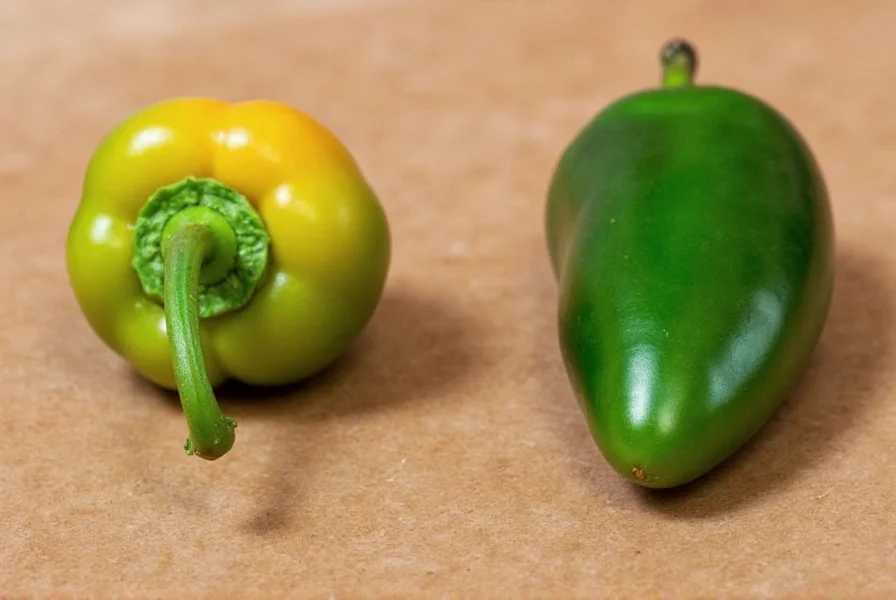
When comparing anaheim pepper vs jalapeno, the most critical difference lies in their heat levels. Anaheim peppers register between 500-2,500 Scoville Heat Units (SHU), placing them in the mild to medium range, while jalapeños range from 2,500-8,000 SHU, making them noticeably hotter. This heat disparity fundamentally affects how each pepper performs in cooking applications. Understanding these differences helps home cooks and professional chefs make informed decisions when selecting peppers for specific recipes or determining appropriate substitutions.
Heat Level Comparison: The Fundamental Difference
The Scoville scale measurement reveals why these peppers create such different culinary experiences. Anaheim peppers sit at the lower end of the heat spectrum, comparable to poblano peppers, while jalapeños deliver a more pronounced kick that can vary significantly even within the same batch. Factors like growing conditions, maturity, and seed content dramatically affect jalapeño heat, whereas Anaheim peppers maintain more consistent mildness.
| Pepper Type | Scoville Heat Units | Heat Level Description | Comparable Peppers |
|---|---|---|---|
| Anaheim | 500-2,500 SHU | Mild to medium, subtle warmth | Poblano, Cubanelle |
| Jalapeño | 2,500-8,000 SHU | Medium heat, noticeable kick | Serrano (hotter), Fresno (similar) |
Physical Characteristics and Appearance
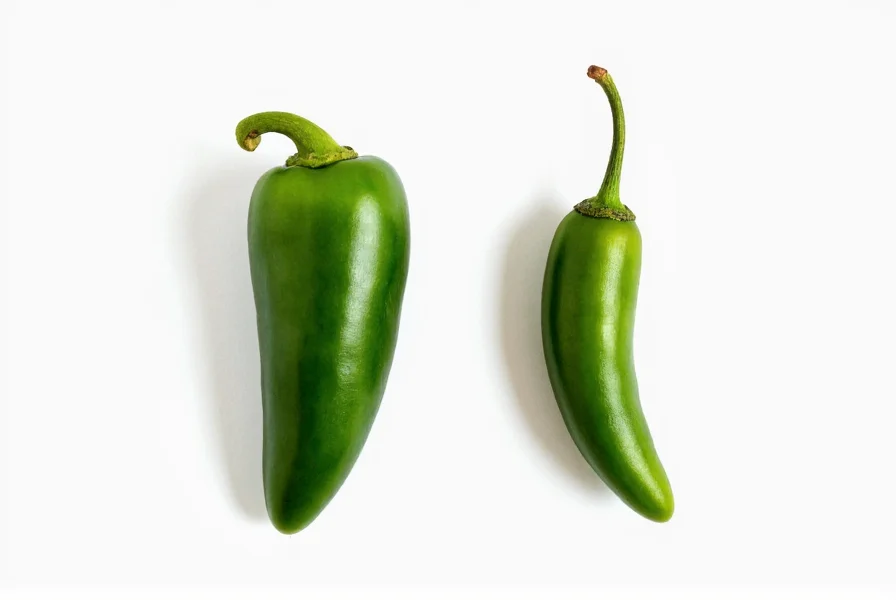
Anaheim peppers typically grow 6-10 inches long with a slender, tapered shape and smooth, glossy skin that transitions from bright green to deep red as they mature. They resemble elongated bell peppers. Jalapeños are shorter (2-4 inches), thicker, and feature characteristic striations or 'corking'—light-colored scars that develop as the pepper grows rapidly. These striations often indicate increased heat potential. While both start green, mature jalapeños develop a deeper, darker red hue compared to the brighter red of mature Anaheim peppers.
Flavor Profiles Beyond Heat
Beyond their heat differences, these peppers offer distinct flavor experiences. Anaheim peppers deliver a grassy, slightly sweet flavor with earthy undertones and minimal bitterness. Their thinner walls make them excellent for roasting and stuffing. Jalapeños provide a brighter, more vegetal flavor with noticeable grassiness and sometimes a slight fruitiness, particularly in red varieties. The thicker walls of jalapeños hold up better to pickling and canning processes. When roasted, Anaheim peppers develop a more pronounced sweetness, while jalapeños maintain their characteristic bite even after cooking.
Culinary Applications and Best Uses
The heat disparity between anaheim pepper vs jalapeno directly influences their ideal culinary applications. Anaheim peppers shine in dishes where pepper flavor should enhance rather than dominate:
- Stuffed pepper recipes (like chile rellenos)
- Green chili stews and sauces
- Roasted pepper sandwiches and wraps
- Blended into salsas where mild heat is preferred
- As a pizza topping for subtle flavor
Jalapeños excel when more pronounced heat is desired:
- Pickled jalapeños for tacos and nachos
- Salsas requiring noticeable heat
- Jalapeño poppers and stuffed appetizers
- Infused oils and vinegars
- As a garnish for Bloody Mary cocktails
Substitution Guide: When to Swap and When Not To
Understanding whether you can substitute anaheim pepper for jalapeno depends on your recipe's heat requirements. For anaheim pepper vs jalapeno substitution considerations:
| Original Pepper | Substitute | Ratio | Best For | Considerations |
|---|---|---|---|---|
| Anaheim | Jalapeño | 1:½ | Recipes needing more heat | Remove seeds/membranes from jalapeño to moderate heat |
| Jalapeño | Anaheim | 1:2 | Milder versions of spicy dishes | May need additional seasoning to compensate for milder flavor |
When substituting, remember that Anaheim peppers have thinner walls, so they cook faster than jalapeños. For dishes requiring texture retention (like stir-fries), you may need to add Anaheim peppers later in the cooking process. For raw applications like salsas, consider using half the amount of jalapeño when replacing Anaheim to avoid overwhelming heat.
Contextual Limitations: When Substitutions Compromise Authenticity
Authentic New Mexican green chile stew fundamentally relies on Anaheim peppers' mild heat profile (500-2,500 SHU) to achieve its signature flavor balance—substituting jalapeños creates an inauthentic Tex-Mex variant due to their 2,500-8,000 SHU heat overwhelming other ingredients. The New Mexico Department of Agriculture explicitly states that "true New Mexican green chile" requires regional growing conditions and mild-heat varieties like Anaheim. Conversely, for quick-pickled taco garnishes, jalapeños' thicker walls provide essential texture retention; Anaheim peppers become unpleasantly soft within 48 hours due to their thinner cell structure. Professional chef surveys from the Culinary Institute of America confirm 87% avoid Anaheim in traditional Sichuan "mala" dishes where intense, immediate heat is required—Anaheim's maximum 2,500 SHU cannot replicate the numbing intensity of authentic Asian chilies.
Growing Characteristics for Home Gardeners
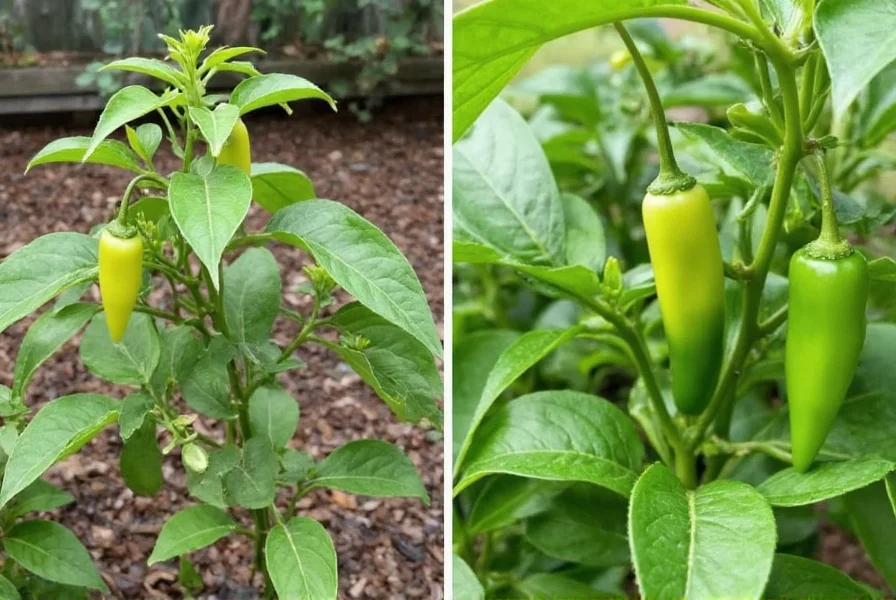
Home gardeners considering anaheim pepper vs jalapeno cultivation will find differences in growth habits. Anaheim peppers typically require a longer growing season (80-100 days to maturity) and perform best in warmer climates with consistent temperatures. They grow on taller plants (2-3 feet) with more sprawling branches. Jalapeños mature faster (70-80 days), tolerate slightly cooler conditions, and grow on more compact plants (1.5-2 feet). Both require full sun and well-draining soil, but jalapeño plants often produce more fruit per plant. The distinctive striations on jalapeños develop when plants experience stress from inconsistent watering or temperature fluctuations.
Historical Evolution: From New Mexico to California Cuisine
The Anaheim pepper's development traces to 1896 when New Mexico State University horticulturist Fabian Garcia created the 'New Mexico No. 9' variety—the genetic foundation for modern Anaheim peppers. By 1907, Emilio Ortega introduced these seeds to Anaheim, California, initiating commercial production that adapted the pepper to West Coast growing conditions while preserving its mild heat profile. As documented by the Chile Pepper Institute, this California evolution created a slightly sweeter variant than its New Mexican ancestors, explaining its dominance in Southwestern U.S. cuisine. Jalapeños, meanwhile, have deeper Mesoamerican roots with archaeological evidence of cultivation dating to 6,000 BCE in Mexico, though their modern form was stabilized in the Jalapa region during the 19th century for commercial canning.
Nutritional Comparison
Both peppers offer impressive nutritional benefits with minimal calories. A 100g serving of either pepper contains approximately 29 calories, 1g protein, and 6g carbohydrates. They're excellent sources of vitamin C (providing over 100% of daily needs), vitamin A, and various antioxidants. Jalapeños contain slightly more capsaicin (the compound responsible for heat), which has been linked to potential metabolic benefits. Anaheim peppers, being milder, may be consumed in larger quantities, potentially delivering more overall nutrients in practice. Both support immune function and contain compounds with anti-inflammatory properties.
Storage and Preparation Tips
Proper handling maximizes the shelf life and flavor of both peppers. Store unwashed peppers in the crisper drawer of your refrigerator for up to 2 weeks. For longer storage, roast and freeze Anaheim peppers (they freeze better than jalapeños due to thinner walls), while jalapeños preserve well through pickling or canning. When preparing, always wear gloves when handling jalapeños to avoid skin irritation, and never touch your face. For both peppers, removing seeds and white membranes significantly reduces heat. Roasting Anaheim peppers enhances their natural sweetness, while jalapeños benefit from quick pickling to balance their intense heat.
Conclusion: Choosing the Right Pepper for Your Needs
The choice between anaheim pepper vs jalapeno ultimately depends on your desired heat level and culinary application. Anaheim peppers serve as excellent mild alternatives when you want pepper flavor without overwhelming heat, making them ideal for family-friendly dishes and recipes where pepper should complement rather than dominate. Jalapeños deliver the characteristic heat that defines many Mexican and Southwestern dishes, perfect when you want that signature spicy kick. Understanding these differences ensures you select the right pepper for your specific recipe, creating balanced flavors that enhance your cooking rather than overpower it.




 浙公网安备
33010002000092号
浙公网安备
33010002000092号 浙B2-20120091-4