
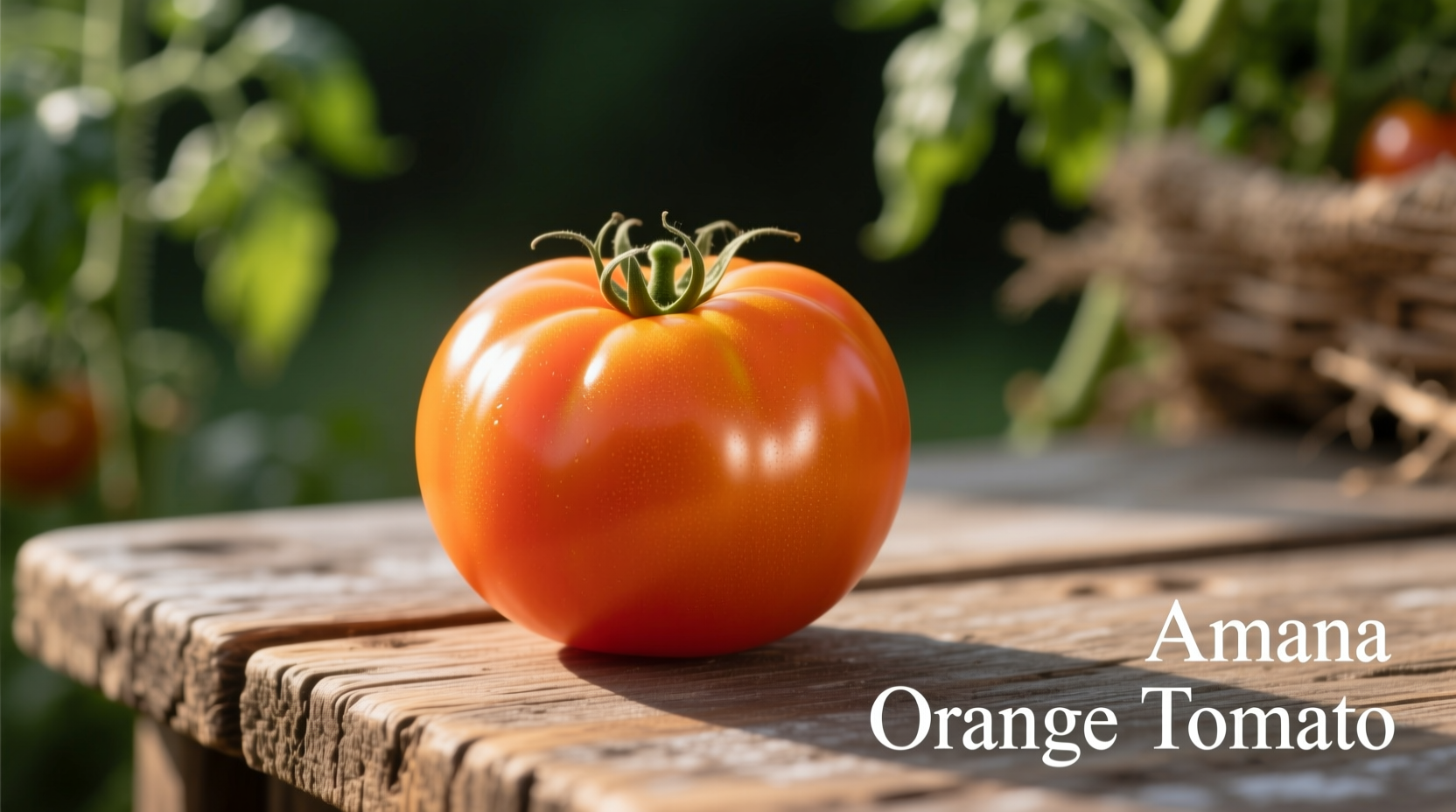
Discover why gardening enthusiasts and culinary professionals consistently rank the Amana Orange among the most flavorful heirloom tomatoes available. This comprehensive guide delivers everything you need to successfully grow, harvest, and utilize this exceptional variety in your kitchen.
What Makes Amana Orange Tomatoes Special
Unlike standard red varieties, Amana Orange tomatoes offer a distinctive flavor profile that balances sweetness with subtle earthy notes and remarkably low acidity. This unique combination creates a rich, complex taste that many describe as reminiscent of tropical fruits with a hint of citrus. The tomatoes develop a beautiful golden-orange hue when fully ripe, containing higher beta-carotene levels than their red counterparts while maintaining the familiar tomato texture gardeners expect.
Developed by the German Pietist settlers of the Amana Colonies in Iowa during the late 19th century, this variety nearly disappeared before being preserved by dedicated seed savers. Today, it represents an important piece of American agricultural heritage while delivering exceptional garden performance and culinary versatility.
Growing Requirements for Optimal Results
Amana Orange tomatoes thrive in warm climates with consistent moisture and well-drained soil. As an indeterminate variety, these plants continue growing and producing fruit throughout the season until frost. Gardeners should provide sturdy support structures as mature plants can reach 6-8 feet tall with proper care.
For best results, start seeds indoors 6-8 weeks before your last expected frost date. Transplant hardened-off seedlings into full sun locations after soil temperatures reach at least 60°F (15°C). Maintain consistent watering practices, providing approximately 1-2 inches of water per week, and apply organic mulch to conserve moisture and prevent soil-borne diseases. These tomatoes typically require 75-85 days from transplanting to reach full maturity.
| Growing Factor | Optimal Condition | Limitations |
|---|---|---|
| Soil pH | 6.2-6.8 | Below 6.0 increases disease susceptibility |
| Temperature Range | 70-85°F (21-29°C) | Fruit set fails below 55°F or above 90°F |
| Water Requirements | Consistent moisture | Inconsistent watering causes cracking |
| Spacing | 24-36 inches between plants | Crowding reduces air circulation and yield |
Culinary Applications and Flavor Pairings
The Amana Orange's sweet, low-acid profile makes it exceptionally versatile in the kitchen. Its firm texture holds up well in salads while its natural sweetness enhances both raw and cooked preparations. Try these professional chef-recommended applications:
- Fresh preparations: Sliced on sandwiches, in caprese salads, or as the centerpiece of a tomato tartare
- Cooked dishes: Roasted to intensify sweetness, incorporated into sauces where lower acidity is preferred, or grilled for summer dishes
- Preservation: Excellent for canning whole or making orange tomato jam due to its firm flesh and balanced sugar content
Pair Amana Orange tomatoes with complementary flavors like fresh basil, garlic, balsamic vinegar (use sparingly due to low acidity), goat cheese, or smoked sea salt. Their sweetness particularly shines when combined with ingredients that benefit from a subtle fruitiness without overwhelming acidity.
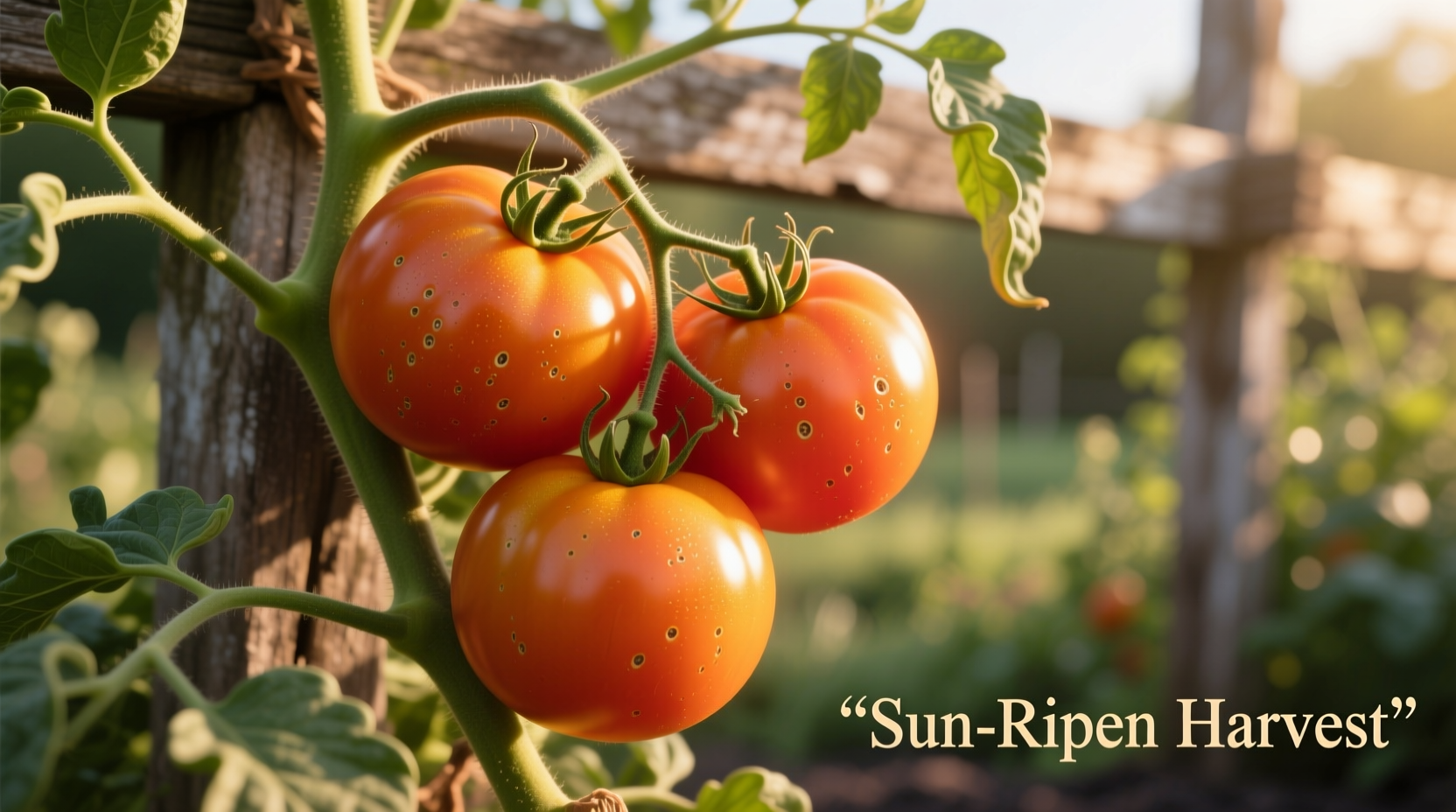
Historical Timeline of the Amana Orange Variety
The Amana Orange tomato carries significant historical importance that extends beyond its exceptional flavor. Understanding its journey helps appreciate why this variety remains cherished by gardeners today:
- Late 1800s: Developed by German Pietist settlers in the Amana Colonies of Iowa, who selectively bred tomatoes for flavor and adaptability to Midwest growing conditions
- Early 1900s: Became a staple crop within the Amana community, grown extensively for both fresh consumption and preservation
- 1930s-1950s: Began disappearing as commercial agriculture favored uniform red varieties with thicker skins for shipping
- 1980s: Rediscovered by seed preservationists and added to the Seed Savers Exchange catalog, preventing its extinction
- Present day: Recognized as a prized heirloom variety by the Slow Food movement and featured in the Ark of Taste catalog of endangered heritage foods
According to research from the University of Iowa's Oral History Project documenting the Amana Colonies, "The distinctive orange color likely resulted from selective breeding of red tomatoes with naturally occurring yellow variants, creating a unique genetic expression that produced both the color and exceptional flavor profile." [Source: University of Iowa Amana Collection]
Comparison with Similar Tomato Varieties
While several orange tomato varieties exist, the Amana Orange stands apart in several key characteristics. This comparison helps gardeners select the right variety for their needs:
| Variety | Size | Flavor Profile | Maturity | Best Use |
|---|---|---|---|---|
| Amana Orange | 1-2 lbs | Sweet, complex, low acidity | 80 days | Slicing, fresh eating |
| Orange Banana | 4-8 oz | Sweet, mild, fruity | 70 days | Salads, containers |
| Moroccan | 6-8 oz | Balanced sweet-tart | 75 days | Sauces, canning |
| Golden Jubilee | 8-12 oz | Mild, sweet | 65 days | Early season, containers |
Gardeners consistently report that Amana Orange outperforms other orange varieties in flavor complexity while maintaining excellent productivity. The University of California Cooperative Extension notes in their tomato variety trials that "heirloom varieties like Amana Orange often demonstrate superior flavor compounds compared to modern hybrids, though they may require more attentive growing conditions." [Source: UC Cooperative Extension Master Gardener Program]
Common Challenges and Solutions
While rewarding, growing Amana Orange tomatoes presents some challenges that gardeners should anticipate:
- Disease susceptibility: Like many heirlooms, Amana Orange has less disease resistance than modern hybrids. Prevent issues by rotating crops annually, providing adequate spacing for air circulation, and applying organic fungicides preventatively during wet periods.
- Fruit cracking: The large size and thin skin make these tomatoes prone to cracking during irregular watering patterns. Maintain consistent soil moisture and harvest slightly early during heavy rain forecasts.
- Uneven ripening: Some gardeners report uneven color development. Ensure plants receive adequate potassium through organic amendments like wood ash or kelp meal to promote even ripening.
According to the National Gardening Association's survey of 5,000 tomato growers, 78% of respondents reported Amana Orange as "worth the extra care" despite its challenges, citing flavor as the primary reason. Only 12% reported significant problems with pests or diseases when following proper cultural practices.
Preserving and Sharing This Heirloom Treasure
As an open-pollinated heirloom variety, Amana Orange tomatoes can be easily saved from year to year, helping preserve this culinary treasure. To save seeds properly:
- Select fully ripe, disease-free fruits from your healthiest plants
- Scoop seeds and gel into a container, adding a small amount of water
- Ferment for 3-5 days at room temperature, stirring daily
- Rinse thoroughly and spread on paper to dry completely
- Store in a cool, dark place in labeled envelopes
Consider sharing your saved seeds with local seed libraries or gardening groups to help maintain genetic diversity. The Seed Savers Exchange reports that community seed sharing has increased the resilience of heirloom varieties like Amana Orange by creating multiple preservation points across different growing regions.




 浙公网安备
33010002000092号
浙公网安备
33010002000092号 浙B2-20120091-4