
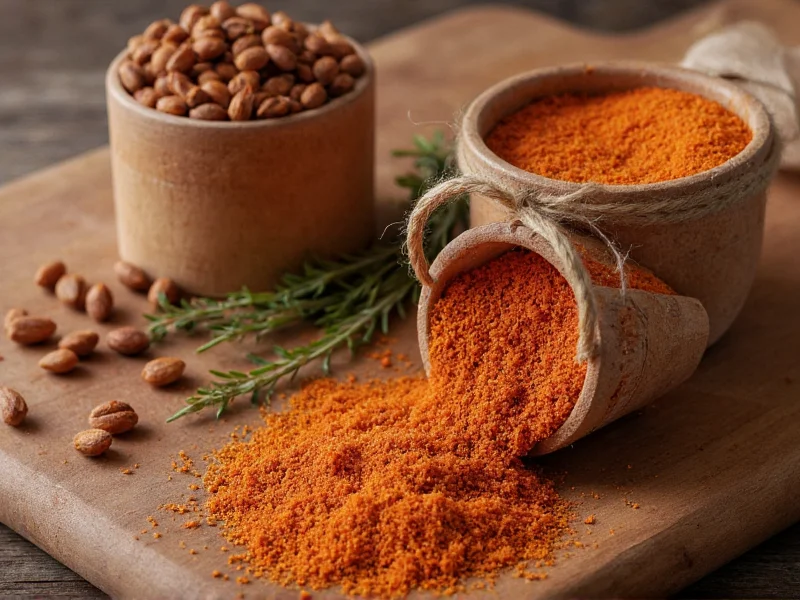
Many home cooks encounter alum seasoning in traditional pickle recipes but feel uncertain about its purpose and safety. This comprehensive guide clarifies what alum is, its legitimate culinary applications, and when you might consider alternatives.
Understanding Alum: More Than Just a Mysterious Ingredient
Alum refers to a class of chemical compounds, but in culinary contexts, it specifically means potassium aluminum sulfate. This crystalline substance has been used in food preparation for centuries, primarily for its ability to strengthen pectin in vegetables. Unlike industrial alum varieties used in water treatment or tanning, food-grade alum is purified to meet safety standards for human consumption.
Despite common misconceptions, alum seasoning isn't technically a “seasoning” that adds flavor. Instead, it functions as a firming agent that helps maintain vegetable crispness during the pickling process. When dissolved in pickling liquid, it interacts with pectin molecules in cucumbers and other vegetables, creating a firmer texture that resists becoming soft during canning.
Historical Context of Alum in Food Preparation
Alum's use in food dates back centuries, with historical records showing its application in pickling and baking across various cultures. Before modern food science understood the precise mechanisms, cooks discovered empirically that adding a small amount of this crystalline substance kept their pickles crisp. In traditional baking, particularly for certain types of cakes and pastries, alum served as part of baking powder formulations before more refined leavening agents became available.
Evolution of Alum in Culinary Applications: A Regulatory Timeline
Understanding alum's journey from historical curiosity to regulated food additive requires examining key milestones in food safety science. The following timeline reflects documented regulatory developments based on FDA archives and food preservation research:
| Era | Key Development | Scientific/Regulatory Context |
|---|---|---|
| Pre-1900s | Empirical use in pickling traditions worldwide | Documented in agricultural extension records as “pickle alum” for texture maintenance without understanding of pectin chemistry |
| 1906 | Pure Food and Drug Act establishes first federal food safety regulations | Industrial alum varieties restricted, but food-grade alum exempted for pickling (Source: FDA Historical Overview) |
| 1958 | Food Additives Amendment introduces GRAS concept | Alum included in initial GRAS inventory based on historical use (Source: 21 CFR 170.30) |
| 1973 | Final GRAS determination codified | Specific limits established for pickling applications (0.1% max concentration) (Source: 21 CFR 184.1126) |
| 2011 | Modern safety reassessment completed | FDA confirms safe consumption levels remain below provisional tolerable intake (Source: FDA Aluminum Guidance Document) |
Primary Culinary Applications of Food-Grade Alum
Today, alum seasoning serves two main purposes in home cooking:
- Pickling and Canning - The most common use where it maintains crispness in cucumbers, beans, and other vegetables
- Leavening Agent - In some traditional baking powder formulations, though less common in modern recipes
| Application | Typical Quantity | Effect |
|---|---|---|
| Pickling cucumbers | 1/4 teaspoon per quart of brine | Maintains crisp texture throughout shelf life |
| Canning green beans | 1/8-1/4 teaspoon per quart | Prevents softening during processing |
| Traditional baking powder | Component of acid salts | Provides slow-acting leavening action |
Safety Considerations for Alum Seasoning
The FDA classifies food-grade alum as Generally Recognized As Safe (GRAS) when used in appropriate quantities for pickling and canning. The typical amount used in home pickling (about 1/4 teaspoon per quart of brine) results in minimal aluminum content in the final product.
However, some health-conscious consumers prefer to avoid aluminum compounds in food due to ongoing research about aluminum accumulation in the body. While the amounts used in pickling are generally considered safe, individuals with kidney conditions or specific health concerns may want to explore alternatives to alum in recipes.
Critical safety note: Never use non-food-grade alum in cooking. Industrial varieties contain impurities that make them unsafe for consumption. Always verify that your alum is labeled specifically for food use.
Alum vs. Alternative Firming Agents
For those seeking alum substitutes in pickling, several options exist with varying effectiveness:
- Grape leaves - Contain tannins that help maintain crispness
- Calcium chloride - Commercial pickle crisp product (more effective than alum)
- Proper temperature control - Processing at correct temperatures prevents softening
- Fresh, high-quality produce - Using just-picked vegetables yields crisper results
While these alternatives work well, they don't function identically to alum. Calcium chloride, for example, works through a different chemical mechanism but achieves similar crispness results without aluminum content.
Contextual Suitability of Firming Agents: Practical Application Boundaries
Choosing the right firming agent requires understanding specific constraints of your preservation method. Research from the National Center for Home Food Preservation reveals critical context boundaries:
| Agent | Optimal Conditions | Critical Limitations | Failure Risk |
|---|---|---|---|
| Food-grade alum | Vinegar-based quick pickles; pH < 4.6 | Unsafe for fermented pickles (interferes with lactic acid bacteria); ineffective above pH 4.6 | Texture failure in fermented products; metallic taste if overdosed |
| Calcium chloride | All vinegar-based pickles; commercial processing | Causes excessive firmness in fermented pickles; incompatible with calcium-sensitive vegetables (e.g., carrots) | Unpleasant crunchiness; cloudiness in brine |
| Grape leaves | Traditional fermented pickles (pH 3.4-3.6) | Requires fresh leaves; ineffective in vinegar pickles; seasonal availability issues | Insufficient crispness in non-fermented applications |
| Temperature control | All methods when combined with other techniques | Alone cannot compensate for poor produce quality; requires precise equipment | Complete softening if processing exceeds 10 minutes above 180°F |
Source: National Center for Home Food Preservation - Pickling Guidelines
Practical Guidance for Using Alum Seasoning
If you decide to use alum in your pickling projects, follow these best practices:
- Always use food-grade potassium aluminum sulfate specifically labeled for culinary use
- Measure precisely - typically 1/4 teaspoon per quart of pickling liquid
- Dissolve completely in warm water before adding to brine
- Never exceed recommended amounts as excessive use can create a bitter aftertaste
- Store in a clearly labeled container away from children
For traditional recipes calling for alum, consider whether modern alternatives might serve your needs better, especially if you're concerned about aluminum consumption. Many contemporary canning experts recommend calcium chloride products as superior alternatives that deliver consistent crispness without aluminum.
Addressing Common Misconceptions
Several myths surround alum seasoning that deserve clarification:
- Myth: Alum is a flavor enhancer
Fact: It affects texture only, not taste - Myth: All alum is the same
Fact: Food-grade and industrial varieties differ significantly - Myth: Alum makes pickles unnaturally hard
Fact: Properly used, it maintains natural crispness without making vegetables tough - Myth: Alum is banned in food
Fact: It remains FDA-approved for specific food applications
When to Consider Alternatives to Alum
While alum seasoning remains a valid option for home canners, certain situations warrant considering alternatives:
- When preparing food for individuals with kidney disease
- For those following strict aluminum-free diets
- When making products for commercial sale with “clean label” requirements
- If you prefer to avoid all aluminum compounds in food preparation
Modern food science has developed effective alternatives that provide similar results without aluminum content, making it easier than ever to find suitable substitutes for alum in recipes.
Conclusion: Making Informed Choices About Alum Seasoning
Alum seasoning serves a specific purpose in traditional food preservation methods, particularly for maintaining crispness in pickled vegetables. When used correctly as a food additive following established guidelines, it presents minimal risk for most consumers. However, with growing awareness about aluminum in food and the availability of effective alternatives like calcium chloride, many home cooks are choosing different approaches to achieve the same results.
Ultimately, the decision to use alum seasoning comes down to personal preference, health considerations, and adherence to specific recipe requirements. By understanding what alum is, how it works, and what alternatives exist, you can make informed choices that align with your culinary goals and health priorities.
Frequently Asked Questions
Is alum safe to use in pickling?
Yes, food-grade alum (potassium aluminum sulfate) is considered safe for pickling when used in recommended amounts (typically 1/4 teaspoon per quart of brine). The FDA classifies it as Generally Recognized As Safe (GRAS) for this specific culinary application. However, never use industrial-grade alum, which contains impurities unsafe for consumption.
What's the difference between food-grade alum and regular alum?
Food-grade alum is purified potassium aluminum sulfate specifically manufactured for culinary use, meeting FDA safety standards. Regular or industrial alum may contain impurities like lead or arsenic and is used for water treatment, tanning, or other industrial processes. Never substitute industrial alum for food-grade varieties in cooking.
Can I use alum as a regular seasoning in cooking?
No, alum seasoning isn't meant as a flavoring agent. It's specifically used as a firming agent in pickling to maintain vegetable crispness. It doesn't enhance flavor and shouldn't be used as a general seasoning. Using it outside of recommended pickling applications could result in unpleasant metallic tastes or texture issues.
What are the best substitutes for alum in pickling recipes?
The most effective substitutes for alum in pickling include calcium chloride (sold as “Pickle Crisp”), grape leaves (which contain natural tannins), and proper temperature control during processing. Calcium chloride works particularly well as it maintains crispness through a different chemical mechanism without introducing aluminum into the food.
Does alum in pickles affect the nutritional value of the food?
Alum used in standard pickling amounts has negligible impact on the overall nutritional profile of pickled foods. The primary nutritional components come from the vegetables and vinegar solution. While alum introduces trace amounts of aluminum, the quantities are minimal (typically less than 1mg per serving) and considered safe by food safety authorities when used as directed in recipes.




 浙公网安备
33010002000092号
浙公网安备
33010002000092号 浙B2-20120091-4