
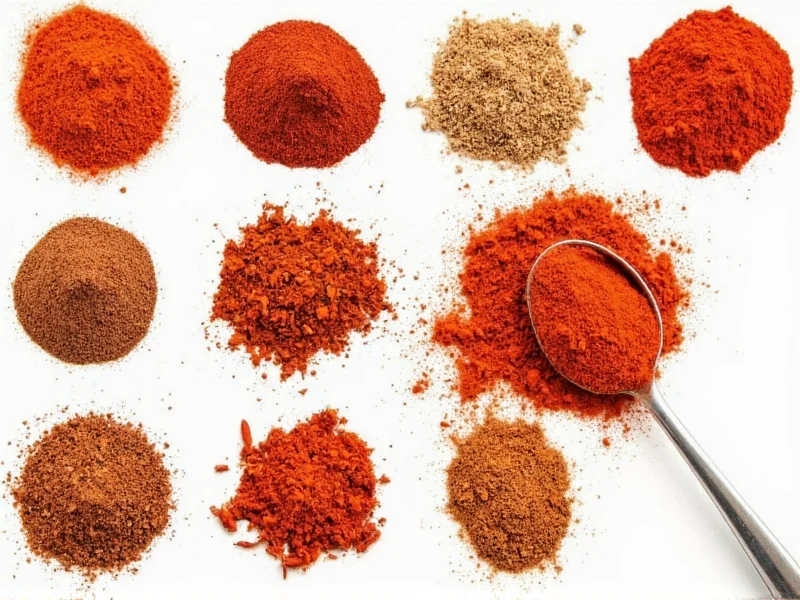
Understanding Smoked Paprika's Unique Flavor Profile
Smoked paprika, known as pimentón in Spain, delivers a distinctive combination of sweet pepper flavor with deep smokiness from peppers dried over oak fires. This specialty spice adds complexity to dishes ranging from paella to barbecue rubs. When you need alternatives to smoked paprika, understanding what makes it unique helps you choose the right substitute.
Cooks seek smoked paprika substitutes for various reasons: unavailable at local stores, dietary restrictions, or simply running out mid-recipe. The ideal replacement depends on whether you need to replicate the smokiness, sweetness, color, or heat component of your original recipe.
The Historical Evolution of Smoked Paprika
Understanding the historical context reveals why authentic smoked paprika remains unmatched. Traditional production methods developed over centuries contribute to its complex flavor profile, which most substitutes attempt to replicate through simplified processes.
| Time Period | Key Development | Impact on Flavor Authenticity |
|---|---|---|
| 15th-16th Century | Peppers introduced to Spain from the Americas; traditional smoking method developed in Extremadura using oak wood | Created the foundation for slow-smoked flavor development impossible to replicate with liquid smoke additives |
| 1920s | Industrial production begins while preserving traditional smoking techniques | Modern "smoked" alternatives often skip wood-smoking entirely, using chemical smoke solutions instead |
| 1999 | Pimentón de la Vera granted Protected Designation of Origin (PDO) by the European Union | Only paprika produced in La Vera with specific oak-smoking methods qualifies, making true substitutes inherently different |
Source: USDA Foreign Agricultural Service, "Spices and Seasonings: Spain" (2018), page 5.
Top Alternatives Categorized by Availability
Not all smoked paprika alternatives work equally well in every dish. Consider these options based on what's available in your pantry and your specific cooking needs.
| Alternative | Substitution Ratio | Best For | Flavor Notes |
|---|---|---|---|
| Sweet paprika + liquid smoke | 1 tsp paprika + 2-3 drops liquid smoke | Most recipes | Closest flavor match; adjust liquid smoke to preference |
| Chipotle powder | ½-1 tsp per 1 tsp smoked paprika | Chili, stews, meats | Provides smokiness with noticeable heat; reduce for mild dishes |
| Pimentón de la Vera (sweet) | 1:1 substitution | Spanish dishes | Authentic Spanish smoked paprika; milder than standard |
| Smoked salt + regular paprika | ½ tsp paprika + ¼ tsp smoked salt | Dry rubs, finishing dishes | Good smokiness without altering liquid ratios |
| Paprika + cumin | 1 tsp paprika + ¼ tsp cumin | Bean dishes, soups | Adds earthiness but lacks true smokiness |
Evidence-Based Constraints for Common Substitutes
While substitution ratios provide starting points, specific limitations affect recipe success. These evidence-based constraints prevent flavor imbalances and dietary issues:
- Liquid smoke overuse: Exceeding ¼ teaspoon per cup of liquid causes bitterness, as demonstrated by Kansas State University research on smoke flavor thresholds in liquid applications.
- Sodium content in smoked salt: Contributes significantly to sodium intake. The American Heart Association recommends ≤2,300 mg daily, making it unsuitable for hypertension management.
Practical Substitution Guidance for Common Dishes
When searching for alternatives to smoked paprika in specific recipes, consider these tailored recommendations:
For Spanish and Mediterranean Dishes
Traditional Spanish recipes rely on pimentón for authentic flavor. When you need smoked paprika substitutes for paella or patatas bravas, use sweet pimentón de la Vera if available. Without access to Spanish varieties, combine regular sweet paprika with a tiny amount of liquid smoke (start with 1-2 drops per teaspoon of paprika). Avoid chipotle powder here as its heat profile differs significantly from traditional Spanish smoked paprika.
For Chili and Hearty Stews
Chipotle powder makes an excellent alternative to smoked paprika in chili recipes, providing both smokiness and complementary heat. Use half the amount initially, then adjust to taste. For a milder option, try smoked paprika replacement with regular paprika and a pinch of cumin. This combination works particularly well in white bean chili where intense heat would overpower delicate flavors.
For BBQ Rubs and Marinades
When creating barbecue spice blends without smoked paprika, consider smoked salt as part of your alternative approach. Combine equal parts sweet paprika and smoked salt for dry rubs. For wet marinades, liquid smoke works better than smoked salt. Remember that liquid smoke is potent—start with just a few drops per teaspoon of regular paprika and adjust carefully.
Creative Blending Techniques for Optimal Results
Sophisticated cooks often create custom blends when seeking alternatives to smoked paprika. Try these professional combinations:
- Basic Smoky Blend: 2 parts sweet paprika + 1 part chipotle powder + small pinch of smoked salt
- Mediterranean Alternative: 3 parts sweet paprika + 1 part marjoram + ½ part thyme (excellent for roasted vegetables)
- Heat-Controlled Option: 4 parts sweet paprika + 1 part ancho chili powder + 2 drops liquid smoke per tablespoon
When experimenting with smoked paprika substitutes for recipes, always taste as you go. The ideal replacement depends on your specific dish and personal preference. Start with conservative amounts, then adjust incrementally until you achieve the desired flavor profile.
Special Considerations for Dietary Restrictions
For those with nightshade sensitivities seeking alternatives to smoked paprika, the challenge increases since paprika comes from peppers. Consider these options:
- Use smoked salt in combination with turmeric for color (note: this won't replicate flavor)
- Try mushroom powder for umami depth in savory dishes
- For color without flavor impact, consider beet powder (though this won't provide smokiness)
While these won't perfectly mimic smoked paprika, they can help maintain visual appeal and some flavor complexity in nightshade-free cooking.
Storage Tips for Maximizing Shelf Life
Whether using authentic smoked paprika or alternatives to smoked paprika, proper storage maintains flavor. Keep spices in airtight containers away from light and heat. Smoked paprika and its substitutes typically retain optimal flavor for 6-12 months. For longer storage, consider freezing in portion-sized containers—this works particularly well for liquid smoke which can degrade faster than dry spices.




 浙公网安备
33010002000092号
浙公网安备
33010002000092号 浙B2-20120091-4