
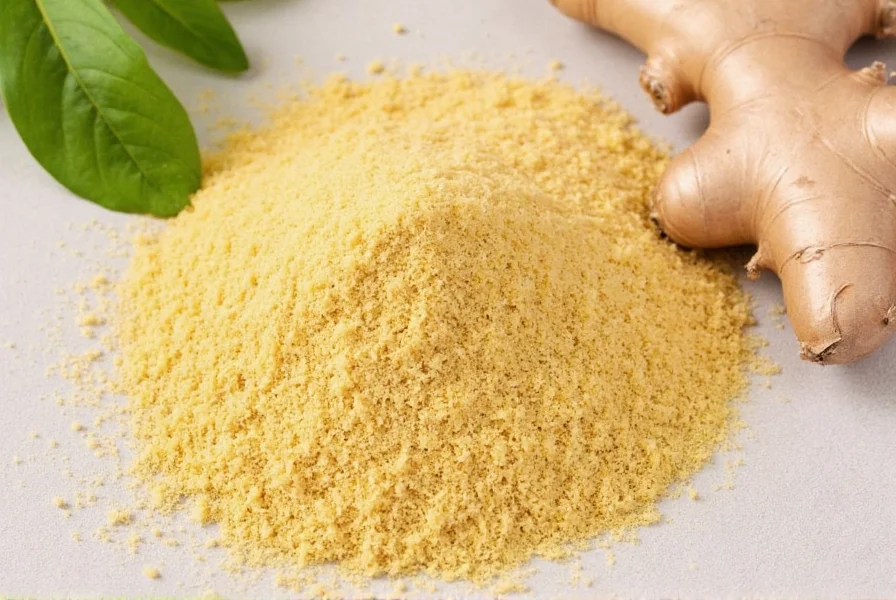
When you're in the middle of cooking and realize you've run out of ground ginger, knowing reliable substitutes can save your recipe. Ground ginger provides a warm, slightly sweet, and spicy flavor that's essential in both sweet and savory dishes. The right alternative depends on your specific recipe, available ingredients, and desired flavor profile.
Understanding Ground Ginger and Its Role
Ground ginger comes from dried ginger root that's been pulverized into a fine powder. It has a more concentrated, slightly different flavor profile than fresh ginger—less citrusy and sharp, with warmer, earthier notes. This spice works well in baked goods, spice blends, and recipes where you want ginger flavor without the fibrous texture of fresh ginger.
Top 7 Alternatives to Ground Ginger
1. Fresh Ginger (Best Overall Substitute)
Fresh ginger is the most direct substitute for ground ginger, though the flavor profile differs slightly. Fresh ginger has brighter, more citrusy notes, while ground ginger offers warmer, more concentrated flavor.
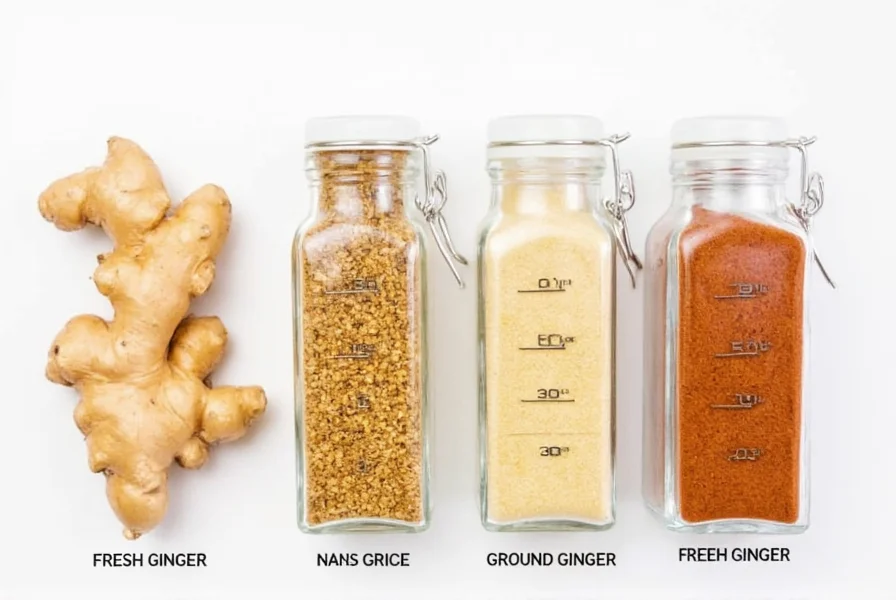
Conversion ratio: 1/4 teaspoon ground ginger = 1 tablespoon freshly grated ginger. For stronger flavor, use 1½ tablespoons fresh ginger per 1/4 teaspoon ground.
Best for: Stir-fries, marinades, Asian cuisine, and recipes where texture isn't a concern. Not ideal for baked goods where you want even spice distribution.
2. Ginger Paste (Convenient Alternative)
Ginger paste, available in tubes at most grocery stores, offers consistent flavor and easy measurement. It's more concentrated than fresh ginger but less intense than ground.
Conversion ratio: 1/4 teaspoon ground ginger = ½ teaspoon ginger paste. Adjust to taste as paste strength varies by brand.
Best for: Curries, soups, and sauces where you want ginger flavor without visible pieces. Excellent substitute for ground ginger alternatives for recipes requiring smooth texture.
3. Ginger Extract or Essence (Potent Option)
Ginger extract provides intense ginger flavor with minimal liquid. Use sparingly as it's highly concentrated.
Conversion ratio: 1/4 teaspoon ground ginger = 1-2 drops ginger extract. Start with less and adjust to taste.
Best for: Baked goods like gingerbread cookies where you need strong flavor without altering liquid ratios. Perfect substitute for ground ginger in baking when precision matters.
| Ground Ginger Amount | Fresh Ginger Substitute | Other Spice Blend Alternative |
|---|---|---|
| ¼ teaspoon | 1 tablespoon grated | ⅛ teaspoon cinnamon + pinch each of nutmeg & cloves |
| ½ teaspoon | 2 tablespoons grated | ¼ teaspoon cinnamon + small pinch each of nutmeg & cloves |
| 1 teaspoon | ¼ cup grated | ½ teaspoon cinnamon + ⅛ teaspoon each of nutmeg & cloves |
4. Spice Blend Alternative (Pantry-Friendly Option)
When you have no ginger products available, create a flavor approximation using common pantry spices. This won't replicate ginger exactly but provides complementary warm notes.
Conversion ratio: Replace ¼ teaspoon ground ginger with ⅛ teaspoon cinnamon + a pinch of nutmeg and cloves.
Best for: Baking when you need what to use if you don't have ground ginger. Works well in cookies, cakes, and spice cakes but won't work for authentic Asian or Indian dishes.
5. Galangal (For Specific Cuisines)
Galangal, sometimes called Thai ginger, has a sharper, more citrusy flavor with pine notes. It's not a direct substitute but works in certain applications.
Conversion ratio: Use equal parts galangal to ground ginger, but expect different flavor profile.
Best for: Thai and Southeast Asian dishes where authentic ginger flavor isn't critical. Not recommended as ground ginger replacement in curry unless recipe specifically calls for galangal.
6. Cardamom (For Sweet Applications)
Cardamom shares some warm, citrusy notes with ginger and works well in sweet applications.
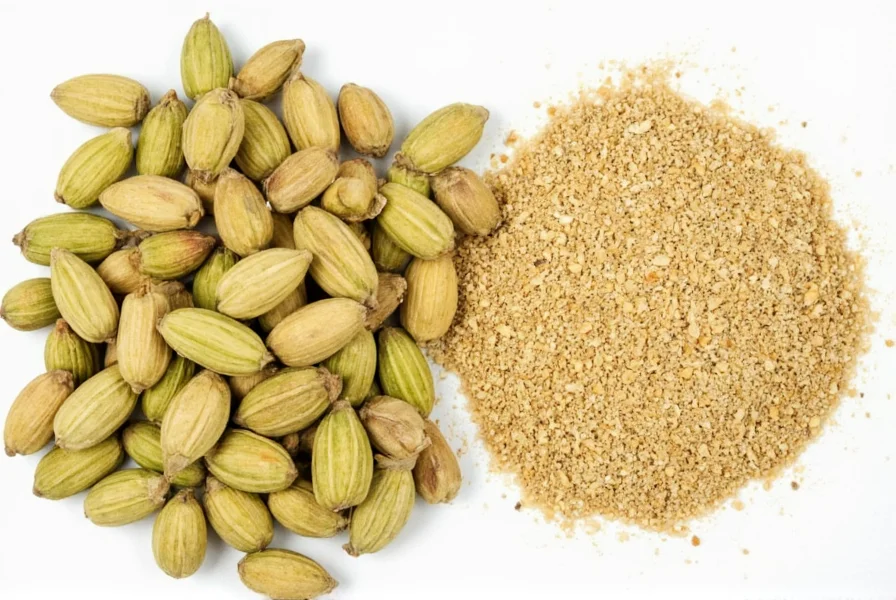
Conversion ratio: Replace ¼ teaspoon ground ginger with ⅛ teaspoon ground cardamom.
Best for: Baked goods, especially Scandinavian recipes. Good best ginger substitute for cookies when you want complexity without strong ginger flavor.
7. Allspice (Simple Single-Spice Option)
Allspice combines flavors reminiscent of cinnamon, nutmeg, and cloves, with some ginger-like warmth.
Conversion ratio: Use ⅛ teaspoon allspice per ¼ teaspoon ground ginger.
Best for: Quick substitutions in baking. Provides similar warmth without ginger's distinctive bite. Ideal when you need a non-spicy alternatives to ground ginger for sensitive palates.
Recipe-Specific Substitution Guide
Baking Substitutions
For cookies, cakes, and quick breads, maintain texture by using dry alternatives. Ginger extract works best for strong flavor without altering moisture. In gingerbread, the spice blend alternative (cinnamon + nutmeg + cloves) preserves the warm spice profile when ginger is unavailable.
Savory Dish Substitutions
In curries, stir-fries, and marinades, fresh ginger or ginger paste provides the most authentic flavor. For Indian cuisine, don't substitute with allspice or cardamom as they'll alter the dish's authenticity. When making ground ginger replacement in curry, fresh ginger is always preferable.
Beverage Substitutions
For ginger tea or cocktails, fresh ginger works best. Simmer 1 tablespoon grated fresh ginger per cup of liquid for equivalent flavor to ¼ teaspoon ground ginger. For cold beverages, ginger syrup makes an excellent substitute.
Storage Tips for Ginger Alternatives
Maximize shelf life of your ginger substitutes:
- Store fresh ginger in the refrigerator for up to 3 weeks, or freeze for 6 months
- Keep ginger paste tightly sealed in the refrigerator for 1 month
- Store spice blends in airtight containers away from light and heat
- Label all substitutes with dates to track freshness
Common Substitution Mistakes to Avoid
Many home cooks make these errors when seeking alternatives to ground ginger:
- Using equal measurements of fresh and ground ginger (fresh is less concentrated)
- Substituting with horseradish (too sharp and different flavor profile)
- Using ginger ale or ginger beer as substitutes (sugar and carbonation alter recipes)
- Overcompensating with stronger substitutes like galangal
- Not adjusting other spices when using blend alternatives
Frequently Asked Questions
Can I use ground turmeric instead of ground ginger?
No, turmeric makes a poor substitute for ground ginger as it has a completely different earthy, slightly bitter flavor with no citrus notes. Turmeric will also dramatically change the color of your dish. For proper ground ginger alternatives for recipes, use fresh ginger, ginger paste, or a spice blend instead.
What's the best substitute for ground ginger in ginger snaps?
For ginger snap cookies, use either 1-2 drops of ginger extract per ¼ teaspoon of ground ginger or a blend of ⅛ teaspoon cinnamon plus a pinch each of nutmeg and cloves. Ginger extract provides the most authentic flavor without altering the cookie's texture, making it the ideal best ginger substitute for cookies when ground ginger is unavailable.
How do I substitute fresh ginger for ground ginger in curry?
When making curry, use 1 tablespoon freshly grated ginger for every ¼ teaspoon of ground ginger called for in the recipe. For ground ginger replacement in curry, add the fresh ginger early in the cooking process to allow flavors to mellow. If using ginger paste, substitute ½ teaspoon paste per ¼ teaspoon ground ginger. Avoid spice blend alternatives in authentic curries as they'll compromise the dish's flavor profile.
Can I use crystallized ginger as a substitute for ground ginger?
Yes, but with adjustments. Finely mince crystallized ginger and use 1 tablespoon minced crystallized ginger per ¼ teaspoon ground ginger. Remember that crystallized ginger contains sugar, so reduce other sweeteners in your recipe by 1-2 teaspoons. This works best for baking rather than savory dishes, providing a solution for what to use if you don't have ground ginger in sweet applications.
Is there a non-spicy alternative to ground ginger?
For non-spicy alternatives to ground ginger, try using allspice (⅛ teaspoon per ¼ teaspoon ground ginger) or a combination of cinnamon and cardamom. These provide warm notes without ginger's characteristic bite. In baking, this substitution works well for those sensitive to spice. Note that these alternatives won't replicate ginger's flavor exactly but will maintain the warm spice profile in your recipe.




 浙公网安备
33010002000092号
浙公网安备
33010002000092号 浙B2-20120091-4