
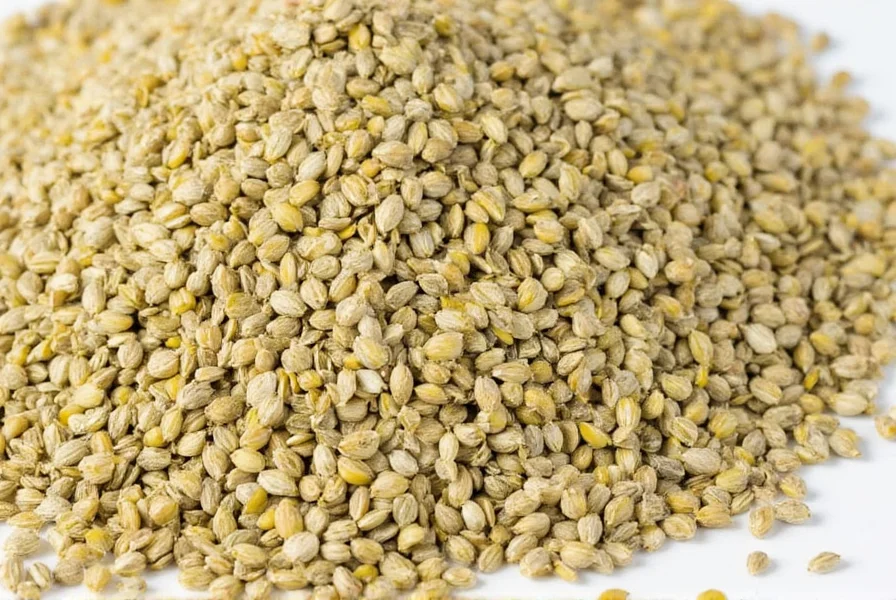
When you're in the middle of preparing a recipe that calls for fennel seeds and discover your spice cabinet is empty, knowing reliable alternatives becomes essential. Fennel seeds, with their distinctive sweet-licorice flavor, are a staple in Mediterranean, Indian, and Middle Eastern cuisines, commonly used in sausages, breads, pickling solutions, and vegetable dishes. Understanding proper fennel seed substitutes ensures your culinary creations maintain their intended flavor profile even when this specific spice isn't available.
Understanding Fennel Seeds and Their Culinary Role
Fennel seeds come from the flowering plant Foeniculum vulgare and possess a complex flavor profile that combines sweet, licorice-like notes with subtle earthiness. This unique taste makes them challenging to replace perfectly, but several alternatives can effectively mimic their characteristics depending on your specific recipe requirements. The key to successful substitution lies in understanding both the flavor profile you're trying to replicate and the role fennel plays in your particular dish.
Top Fennel Seed Alternatives Explained
Anise Seeds: The Closest Flavor Match
Anise seeds provide the most similar flavor profile to fennel seeds, featuring that distinctive licorice note. While slightly sweeter and more intense than fennel, anise works exceptionally well in baking applications like biscotti, breads, and cookies. When substituting anise for fennel seeds, use a 1:1 ratio but consider reducing by 10-15% if you prefer a more subtle flavor. This fennel seed substitute for cooking performs particularly well in Italian sausage recipes and Mediterranean fish dishes.
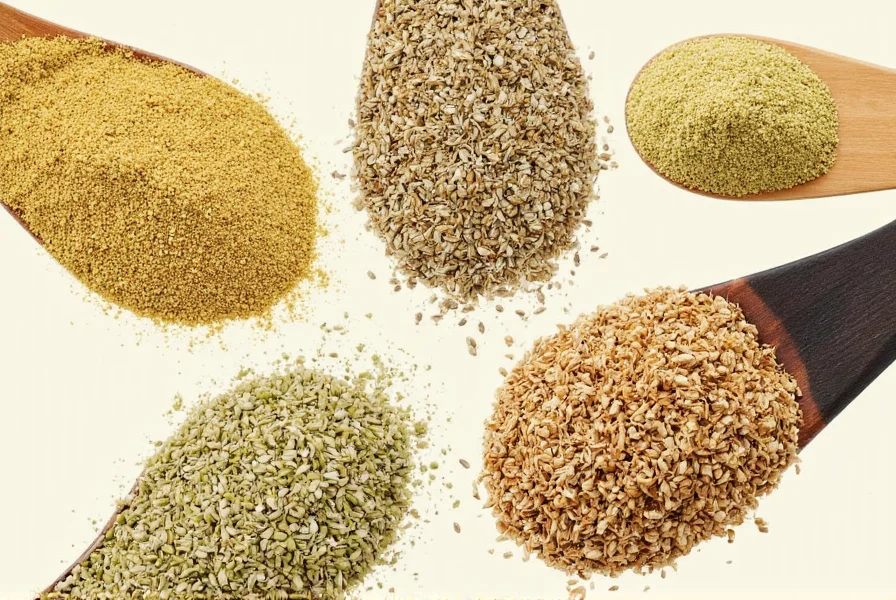
Dill Seeds: A Brighter Alternative
Dill seeds offer a more herbal, grassy flavor with subtle anise notes, making them an excellent substitute when you need a less pronounced licorice flavor. They work particularly well in pickling recipes, fish dishes, and vegetable preparations where fennel seeds are traditionally used. Use dill seeds in a 1:1 ratio as a fennel seed replacement, though you may want to add a pinch of sugar to compensate for fennel's natural sweetness. This alternative shines in Scandinavian and Eastern European cuisine where dill is already a staple herb.
Caraway Seeds: Earthy and Complex
Caraway seeds share fennel's licorice undertones but with a more earthy, slightly peppery character. They're particularly effective in rye breads, sauerkraut, and German dishes where fennel might otherwise be used. When using caraway as a fennel substitute, employ a 3:4 ratio (¾ teaspoon caraway for every teaspoon of fennel seeds) to prevent overwhelming your dish. This fennel seed alternative for cooking works best in heartier recipes like stews, braises, and meat dishes where the stronger flavor can hold its own.
Celery Seeds: Subtle and Versatile
Celery seeds provide a milder, more vegetal alternative with just a hint of the anise flavor found in fennel. They work well in soups, stews, and salad dressings where fennel seeds would normally add background complexity without dominating. Use celery seeds in a 1:1 ratio as your fennel seed replacement, though you might want to add a small pinch of sugar to mimic fennel's sweetness. This substitute proves particularly valuable for those seeking a non licorice tasting fennel substitute while still maintaining some aromatic complexity.
Star Anise: Intense Licorice Flavor
Star anise delivers a much more potent licorice flavor than fennel seeds, so use it sparingly. One whole star anise equals approximately one teaspoon of fennel seeds. It's excellent in braising liquids, spice blends, and baked goods where you want a pronounced licorice note. Remove the whole star before serving. This alternative works particularly well as a fennel seed substitute for pickling when you want a stronger flavor profile. Note that star anise has a more medicinal quality than fennel, so it's best used in recipes where this characteristic complements other ingredients.
| Alternative | Substitution Ratio | Best For | Flavor Notes |
|---|---|---|---|
| Anise Seeds | 1:1 (reduce 10-15% for subtlety) | Baking, sausage making, Mediterranean dishes | Sweeter, more intense licorice |
| Dill Seeds | 1:1 | Pickling, fish dishes, vegetable preparations | Herbal, grassy with subtle anise |
| Caraway Seeds | 3:4 (¾ tsp caraway per tsp fennel) | Rye bread, sauerkraut, hearty stews | Earthy, peppery with licorice notes |
| Celery Seeds | 1:1 | Soups, stews, salad dressings | Mild, vegetal with hint of anise |
| Star Anise | 1 star = 1 tsp fennel seeds | Braising liquids, spice blends, pickling | Strong licorice, slightly medicinal |
Recipe-Specific Substitution Guidance
Understanding which fennel seed alternative works best depends heavily on your specific recipe. For Italian sausage making, anise seeds provide the closest flavor match, while dill seeds work better for Scandinavian gravlax or pickled herring. When baking breads or pastries, anise or star anise deliver the necessary sweetness, whereas caraway shines in German sauerbraten or cabbage dishes.
For those with allergies or dietary restrictions requiring a non licorice tasting fennel substitute, consider combining celery seeds with a small amount of coriander or cumin to create a more neutral flavor profile that still provides aromatic complexity without the distinctive licorice note.
Creative Blending Techniques for Optimal Results
Sometimes the best approach involves blending multiple alternatives to create a more complex substitute that better mimics fennel's nuanced flavor. Try these combinations:
- For baking: ½ tsp anise seeds + ½ tsp coriander seeds (grind together)
- For savory dishes: ½ tsp caraway seeds + ¼ tsp celery seeds + pinch of sugar
- For pickling: ½ tsp dill seeds + ¼ tsp mustard seeds + 1 star anise
When experimenting with fennel seed substitutes, remember that toasting whole seeds before grinding releases their essential oils and enhances flavor. This technique works particularly well with caraway and dill seeds, helping them better approximate fennel's aromatic qualities.
Frequently Asked Questions
What is the best fennel seed substitute for sausage making?
Anise seeds provide the closest flavor match for sausage making, using a 1:1 ratio. Their sweet licorice notes closely mimic fennel's profile essential in Italian sausages. For a more complex flavor, try combining ¾ teaspoon anise seeds with ¼ teaspoon caraway seeds per teaspoon of fennel called for in your recipe.
Can I use fennel powder instead of fennel seeds?
Yes, but with adjustments. Use ¾ teaspoon fennel powder for every 1 teaspoon of fennel seeds, as ground spices are more concentrated. Add the powder later in the cooking process to preserve flavor, as ground spices lose potency faster than whole seeds. This fennel seed replacement works well in sauces and dressings but isn't ideal for recipes where seed texture matters.
What's a good non-licorice tasting substitute for fennel seeds?
For those seeking a non licorice tasting fennel substitute, try a blend of ½ teaspoon celery seeds plus ¼ teaspoon coriander seeds. This combination provides aromatic complexity without the distinctive licorice note. In Mediterranean dishes, you might also consider using a small amount of oregano or marjoram to maintain herbal notes while avoiding the anise flavor.
How do I substitute fennel seeds in baking recipes?
For baking, anise seeds work best as a fennel seed substitute for cooking, using a 1:1 ratio. If you prefer a less pronounced flavor, reduce to 7/8 teaspoon anise per teaspoon of fennel. Star anise (1 star = 1 tsp fennel seeds) also works well in spiced cakes and cookies. For a more complex flavor in breads, try combining equal parts anise and cardamom seeds.
Can I use fresh fennel instead of fennel seeds?
Yes, but the substitution ratio differs significantly. Use 1½ tablespoons of finely chopped fresh fennel fronds to replace 1 teaspoon of fennel seeds. For bulb fennel, use ¼ cup of finely diced bulb. Note that fresh fennel provides a milder, more vegetal flavor than the concentrated seed form, so it works better in salads and vegetable dishes than in spice-heavy recipes.




 浙公网安备
33010002000092号
浙公网安备
33010002000092号 浙B2-20120091-4