
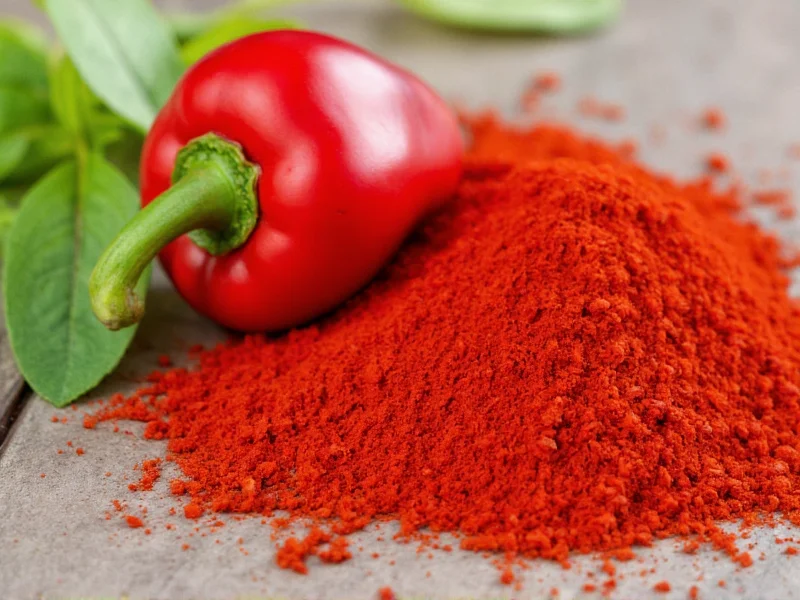
Running out of sweet paprika mid-recipe can be frustrating, but several pantry staples can effectively replace this versatile spice. Sweet paprika provides a mild, slightly sweet pepper flavor without heat, making it essential in Hungarian goulash, Spanish chorizo, and countless other dishes worldwide. Understanding proper alternatives ensures your culinary creations maintain their intended flavor balance without requiring a last-minute grocery run.
What Makes Sweet Paprika Unique
Sweet paprika, made from ground sweet red peppers, delivers vibrant color and a distinctive mild pepper flavor. Unlike its spicy counterparts, it contains minimal capsaicin, making it suitable for dishes where heat isn't desired. Its unique combination of earthiness, subtle sweetness, and rich red hue makes finding appropriate substitutes challenging but not impossible. When seeking alternatives for sweet paprika in recipes, consider both flavor profile and color impact on your final dish.
The Evolution of Paprika: A Historical Timeline
Paprika's transformation from New World pepper to European culinary staple reflects centuries of cultural adaptation. Understanding this evolution explains why certain substitutes work better in specific contexts:
- 1520s: Ottoman Introduction to Hungary
After Christopher Columbus brought chili peppers to Europe, Ottoman traders introduced them to Hungary. By the mid-16th century, Hungarians were cultivating peppers specifically for drying and grinding into paprika, initially in spicy varieties (University of Vermont Extension, Spice History Documentation). - 1570s: Spanish Smoked Paprika Emergence
In Spain's La Vera region, producers began smoking harvested peppers over oak fires to preserve them, creating Pimentón. This distinct production method—now protected by EU geographical indication since 2000—gave rise to smoked paprika's signature flavor (European Commission, Pimentón de la Vera PDO Details). - 1860s: Birth of Sweet Paprika in Szeged
Hungarian innovator Pál Zsigmond developed selective breeding techniques for sweet pepper varieties, creating the mild paprika essential to dishes like goulash. This innovation established Szeged's reputation for premium sweet paprika, now recognized under the "Hungarica" protected designation (Hungarian National Food Chain Safety Office, Hungarica Specialities Overview).
Top 6 Alternatives for Sweet Paprika
1. Smoked Paprika (Pimentón)
While smoked paprika has a distinct woodsy flavor, it shares sweet paprika's mild heat level. Use 3/4 teaspoon of smoked paprika for every 1 teaspoon of sweet paprika required. This substitution works exceptionally well in stews, roasted vegetables, and meat rubs where the smokiness complements rather than competes with other ingredients. For those wondering how to replace sweet paprika without altering flavor significantly, smoked paprika offers the closest color match while adding a pleasant dimension.
2. Bell Pepper Powder
Dried and ground bell peppers create the most flavor-accurate substitute. Since bell peppers lack capsaicin, they mimic sweet paprika's mildness perfectly. Commercial bell pepper powder works at a 1:1 ratio, but you can make your own by dehydrating red bell peppers and grinding them into a fine powder. This alternative shines in dishes where maintaining the authentic sweet pepper flavor is crucial, such as in traditional Hungarian dishes or Spanish rice recipes.
3. Mild Chili Powder Blend
Many store-bought chili powders contain cumin, garlic powder, and oregano alongside ground chilies. For sweet paprika alternatives for Hungarian dishes, select a mild blend without added spices. Use 1 teaspoon of mild chili powder mixed with 1/4 teaspoon of sugar to balance any potential bitterness. This combination works well in tomato-based sauces and meat dishes where the additional spices won't disrupt the flavor profile.
4. Cayenne Pepper (Diluted)
While cayenne is significantly hotter, a carefully diluted version can mimic sweet paprika's color. Combine 1/8 teaspoon cayenne with 7/8 teaspoon paprika or red pepper flakes. This approach works best when you need the vibrant red color more than the specific flavor, such as in deviled eggs or potato salads. Always exercise caution with this substitution—cayenne's heat can easily overpower delicate dishes.
5. Tomato Powder
Tomato powder provides similar color and mild sweetness. Use a 1:1 ratio when substituting in soups, stews, and sauces. For dishes requiring sweet paprika replacement ratios for cooking, add a pinch of cumin (about 1/16 teaspoon per teaspoon of tomato powder) to better approximate paprika's earthiness. This alternative works particularly well in Mediterranean and Italian recipes where tomato flavors complement other ingredients.
6. Curry Powder (For Specific Applications)
While not a direct substitute, mild curry powder can work in certain contexts. Use half the amount of curry powder compared to sweet paprika required. This works best in egg dishes, potato salads, or cream-based sauces where the additional spices blend harmoniously. For those exploring non-spicy paprika substitute options for sensitive palates, this can provide interesting flavor complexity without heat.
| Alternative | Substitution Ratio | Best For | Flavor Notes |
|---|---|---|---|
| Smoked Paprika | 3/4 tsp per 1 tsp | Stews, roasted meats, rubs | Adds smoky dimension |
| Bell Pepper Powder | 1:1 | Traditional Hungarian dishes | Most authentic flavor match |
| Mild Chili Powder | 1 tsp + 1/4 tsp sugar | Tomato-based sauces | May add complementary spices |
| Cayenne (diluted) | 1/8 tsp + 7/8 tsp base | Color-focused applications | Use extreme caution with heat |
| Tomato Powder | 1:1 + pinch cumin | Mediterranean recipes | Slightly different flavor profile |
Recipe-Specific Recommendations
The ideal sweet paprika alternative depends heavily on your specific dish. For chicken paprikash, bell pepper powder provides the most authentic flavor. When making deviled eggs, smoked paprika adds complexity without overwhelming the delicate filling. In potato salad, a combination of tomato powder and a touch of cayenne delivers both color and subtle flavor.
For those searching for sweet paprika alternatives for sensitive palates, consider mixing equal parts tomato powder and mild chili powder. This combination maintains color while providing a rounded flavor without heat. When substituting in goulash or other Hungarian specialties, bell pepper powder remains the gold standard for preserving traditional flavor profiles.
Common Substitution Mistakes to Avoid
Many home cooks make critical errors when replacing sweet paprika. Never substitute hot paprika 1:1 without adjusting for heat—this will dramatically alter your dish. Avoid using paprika blends with added salt, as this affects overall seasoning. When making sweet paprika replacement ratios for cooking, remember that dried spices intensify over time, so start with less and adjust after cooking.
One frequently overlooked aspect is the impact on dish color. Sweet paprika provides that signature red hue, so alternatives like plain chili powder may leave your dish looking dull. For visual appeal in dishes like shrimp cocktail or roasted potatoes, consider adding a pinch of beet powder to maintain that vibrant red color when using less colorful substitutes.
When Substitutes Fail: Critical Context Boundaries
Successful substitution requires understanding strict context boundaries. As emphasized in culinary science guidelines, "substituting spices fundamentally alters a dish's cultural and sensory identity when used outside appropriate contexts" (University of Maine Cooperative Extension, Spice Substitution Principles). Key limitations include:
- Traditional Hungarian Cuisine: Authentic goulash requires sweet paprika's specific flavor profile. Bell pepper powder is the only acceptable substitute; smoked paprika introduces incompatible smokiness that violates the dish's Protected Geographical Indication standards.
- Color-Critical Applications: In deviled eggs or potato salad, tomato powder may cause undesirable browning. While beet powder can restore redness, its earthy flavor conflicts with delicate fillings—making smoked paprika the superior choice despite slight flavor deviation.
- Heat-Sensitive Diets: For children or spice-averse individuals, even "mild" chili powder blends often contain undetectable heat levels. The University of Maine guide recommends strict avoidance of any chili-derived substitutes in these cases, opting exclusively for bell pepper powder or commercial heat-free alternatives.
Creating Your Own Custom Blend
For the most versatile sweet paprika alternative, create a custom blend using ingredients you likely have on hand. Combine 2 tablespoons dried red bell pepper flakes, 1 teaspoon garlic powder, and 1/2 teaspoon onion powder. Process in a spice grinder until fine. Store in an airtight container for up to 6 months. This homemade version works beautifully as a substitute for sweet paprika in recipes requiring authentic flavor without heat.




 浙公网安备
33010002000092号
浙公网安备
33010002000092号 浙B2-20120091-4