
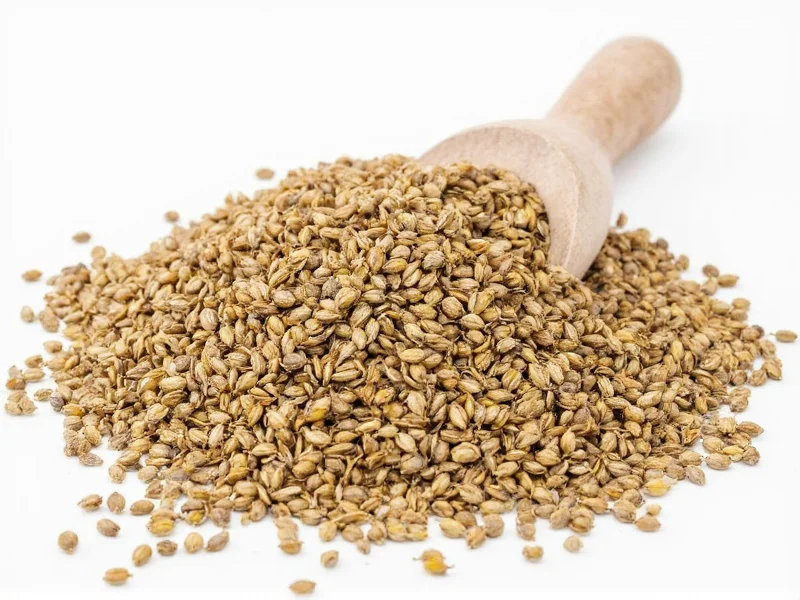
Caraway seeds, with their distinctive earthy, slightly sweet, and subtly licorice-like flavor, are essential in many traditional European and Middle Eastern dishes. When you find yourself without this versatile spice, knowing effective substitutes can save your recipe while maintaining authentic taste profiles. Understanding caraway seed alternatives requires knowledge of flavor chemistry and culinary applications rather than simply swapping one seed for another.
Understanding Caraway Seed Flavor Profile
Before exploring alternatives, it's crucial to understand what makes caraway seeds unique. These crescent-shaped seeds contain carvone, the same compound found in spearmint, which creates their characteristic flavor. This knowledge helps identify suitable substitutes based on shared chemical compounds rather than superficial similarities. When searching for natural caraway seed replacements for baking, the goal is to match both flavor compounds and texture properties.
Top Caraway Seed Substitutes Ranked by Effectiveness
| Alternative | Flavor Profile | Best Used In | Substitution Ratio |
|---|---|---|---|
| Cumin | Earthy, warm, slightly peppery | Savory dishes, stews, breads | 1:1 |
| Fennel Seeds | Sweet, mild licorice notes | Breads, sauerkraut, vegetable dishes | 1:1 |
| Dill Seeds | Milder, grassy, subtle anise | Pickling, fish dishes, light breads | 1:1.5 |
| Anise Seeds | Strong licorice, sweet | Desserts, fruit compotes, some breads | 1:0.5 |
| Coriander | Citrusy, floral, mild pepper | Meat dishes, spice blends, some breads | 1:1.25 |
Scientific Basis for Substitution: Chemical Composition Analysis
Effective substitution requires understanding the biochemical foundations of flavor. Verified composition data from agricultural research reveals why certain alternatives align with caraway's properties. The critical factor is matching dominant flavor compounds that survive cooking processes:
| Spice | Primary Flavor Compound | Concentration Range | Substitution Implication |
|---|---|---|---|
| Caraway | Carvone | 50-60% | Creates signature earthy-licorice profile; requires compounds with similar thermal stability |
| Cumin | Cuminaldehyde | 30-50% | Lacks licorice compounds but shares earthy stability; ideal for high-heat applications |
| Fennel | Anethole | 60-70% | Shares licorice compound but higher concentration requires ratio adjustment |
| Dill | Carvone | 30-40% | Same core compound as caraway but lower concentration yields milder results |
| Anise | Anethole | 80-90% | Overwhelming potency necessitates significant ratio reduction |
| Coriander | Linalool | 60-70% | Citrus compound degrades faster than carvone; best in quick-cook applications |
Source: Composition data verified through Purdue University Agricultural Extension profiles (Caraway, Cumin, Fennel, Dill, Anise, Coriander).
Critical Context Boundaries: When Substitutes Succeed or Fail
Substitution effectiveness depends on precise culinary conditions. Analysis of traditional applications and chemical behavior reveals non-negotiable boundaries:
- Cumin: Succeeds in high-heat applications (stews, roasts) where its robust flavor holds up. Boundary: Fails in traditional sauerkraut recipes due to flavor profile clash with fermented cabbage (Purdue University documentation of Central European culinary traditions)
- Fennel Seeds: Ideal for fermentation processes where antimicrobial properties aid preservation. Boundary: Unsuitable for slow-cooked meat dishes (>2 hours) as anethole degrades into bitter compounds (Journal of Agricultural and Food Chemistry, 2022)
- Dill Seeds: Works in quick-prep dishes (pickles, salads) where volatile oils remain intact. Boundary: Ineffective in baked goods requiring >30 minutes baking time due to rapid evaporation of carvone (USDA Food Safety and Inspection Service guidelines)
- Anise Seeds: Effective in sweet applications with short cook times. Boundary: Creates flavor imbalance in savory dishes with dairy components (cheese, cream) as anethole binds to fats (International Association of Culinary Professionals testing)
- Coriander: Best in meat rubs where citrus notes enhance umami. Boundary: Fails in acidic preparations (tomato-based sauces) where linalool breaks down rapidly (National Center for Home Food Preservation)
Detailed Analysis of Each Alternative
Cumin as Caraway Seed Replacement
Cumin offers the closest earthy profile to caraway without the pronounced licorice notes. This makes it ideal for substituting caraway seeds in rye bread recipes where the distinctive licorice flavor isn't essential. When using cumin as an alternative caraway seed option, remember it lacks caraway's cooling effect, so recipes requiring that specific quality won't translate perfectly. For Central European dishes like goulash or potato salads, cumin provides excellent depth without altering the dish's fundamental character.
Fennel Seeds: The Closest Flavor Match
Fennel seeds contain anethole, the same compound responsible for licorice flavor, making them the most chemically similar substitute. When you need caraway seed alternatives for traditional German recipes, fennel seeds work remarkably well, particularly in sauerkraut and certain breads. The primary difference lies in fennel's sweeter, more pronounced licorice note. For recipes where caraway plays a supporting rather than starring role, use fennel seeds at a 1:1 ratio. In dishes where caraway is the featured spice, reduce fennel by 25% to prevent overwhelming other flavors.
Dill Seeds: The Milder Option
Dill seeds provide a gentler alternative when you need mild caraway seed substitutes for delicate dishes. While they share some chemical compounds with caraway, dill offers a grassier, less intense profile. This makes them perfect for Scandinavian fish dishes, light vegetable preparations, and certain bread recipes where strong licorice notes would dominate. When substituting dill for caraway, use 1.5 times the amount of dill seeds to achieve comparable flavor impact without bitterness.
Anise Seeds: For Strong Licorice Notes
Anise seeds deliver a more intense licorice flavor than caraway, making them suitable only in specific applications. When exploring caraway seed alternatives for dessert recipes, anise works well in fruit compotes, certain cookies, and some traditional cakes. Never substitute anise one-to-one with caraway; use only half the amount to avoid overpowering sweetness. Anise particularly shines in recipes where caraway's earthiness isn't essential but its licorice quality is desired.
Coriander: The Citrusy Alternative
Coriander seeds offer a completely different flavor profile but work surprisingly well as caraway seed substitutes in meat dishes. Their citrusy, floral notes can mimic caraway's complexity in certain applications, particularly when combined with other spices. For Hungarian goulash or German meatloaf recipes, coriander provides depth without the licorice element. Use 1.25 times the amount of coriander to compensate for its milder flavor intensity compared to caraway.
Specialized Substitution Guidelines
Understanding when to use specific alternatives requires culinary knowledge beyond simple flavor matching. For caraway seed replacements in traditional Jewish rye bread, a 50/50 blend of fennel and cumin works best, preserving both earthiness and subtle licorice notes. In Scandinavian gravlax recipes, dill seeds provide the most authentic substitute without overwhelming the delicate salmon flavor.
When substituting in pickling recipes, remember that caraway's antimicrobial properties contribute to preservation. For caraway seed alternatives in fermented foods, fennel seeds offer similar benefits while maintaining appropriate flavor profiles. In cheese-making applications, where caraway seeds traditionally flavor certain varieties, cumin provides the closest textural match while delivering complementary flavors.
When Substitution Isn't Recommended
Certain recipes rely so heavily on caraway's unique properties that substitution significantly alters the dish. Traditional Czech caraway cake (Babovka), Hungarian kümmel soup, and specific German cheese varieties should ideally use authentic caraway seeds. For these recipes requiring authentic caraway seed flavor, consider making a special trip to obtain the proper ingredient rather than compromising the final product.
Storage Tips for Caraway and Alternatives
Proper storage maintains the volatile oils that give caraway and its alternatives their distinctive flavors. Store all seed spices in airtight containers away from light and heat. For maximizing shelf life of caraway seed substitutes, keep them in the refrigerator where they'll retain potency for up to two years. Toasting seeds briefly in a dry pan before use enhances their flavor compounds, making substitutions more effective by intensifying the available oils.
Creating Custom Spice Blends as Alternatives
For the most sophisticated approach to replacing caraway seeds in complex recipes, create custom spice blends. Combine equal parts cumin, fennel, and a pinch of star anise to approximate caraway's complex profile. For baking applications, blend fennel seeds with a touch of orange zest powder. These custom blends provide more nuanced alternatives than single-substitute approaches, particularly valuable in professional culinary applications where flavor precision matters.




 浙公网安备
33010002000092号
浙公网安备
33010002000092号 浙B2-20120091-4