
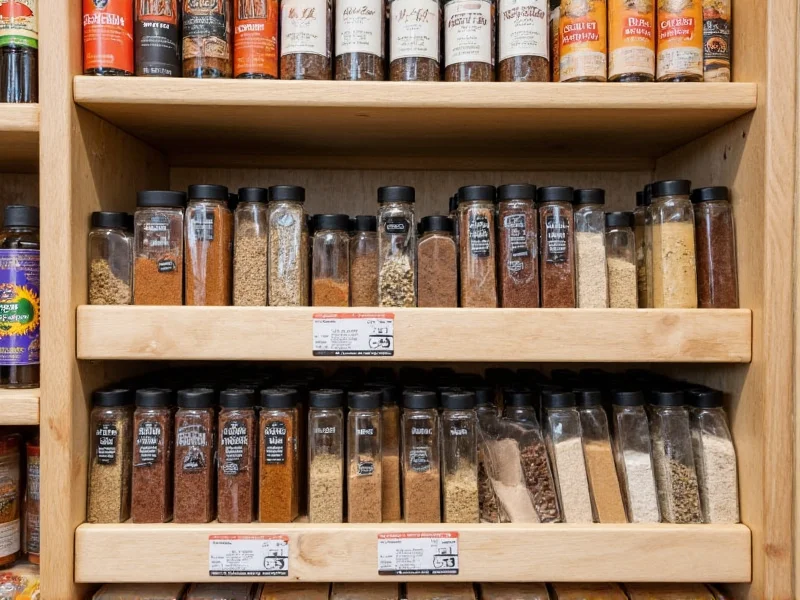
Understanding Aldi's Spice Rack Offerings
When searching for aldi spice rack options, it's essential to recognize Aldi's unique product rotation model. Unlike traditional retailers with permanent inventory, Aldi introduces new kitchen organization products through their Aldi Finds program, which changes weekly. This means spice rack availability follows seasonal patterns rather than consistent stock.
Current models typically include:
- Wall-mounted tiered racks with 3-5 adjustable shelves
- Cabinet door organizers with clear acrylic compartments
- Magnetic spice tins designed for refrigerator or metal surface mounting
- Countertop carousel units with rotating bases
Key Features of Aldi Spice Storage Solutions
Based on recent product cycles, Aldi's kitchen organization spice racks demonstrate consistent quality characteristics. Most units feature powder-coated steel construction or BPA-free plastic components that withstand daily kitchen use. The adjustable shelf design accommodates various container sizes, from standard spice jars to larger seasoning bottles.
Installation requirements vary by model. Wall-mounted options typically need basic tools for secure mounting, while cabinet door organizers use adhesive strips or simple hooks. Notably, Aldi's aldi weekly deals spice rack selections often include clear labeling of weight capacity (usually 5-15 pounds per shelf) and precise dimensions to help shoppers determine kitchen compatibility.
| Model Type | Price Range | Installation Method | Capacity |
|---|---|---|---|
| Wall-Mounted Tiered | $14.99-$19.99 | Screws/wall anchors | 8-12 spice containers |
| Cabinet Door Organizer | $9.99-$12.99 | Adhesive strips | 6-8 spice containers |
| Magnetic Spice Tins | $7.99-$9.99 | Magnetic base | 10-15 tins |
| Rotating Carousel | $12.99-$17.99 | Countertop placement | 15-20 spice containers |
Practical Considerations for Shoppers
When evaluating aldi cabinet spice organizer options, consider your specific kitchen layout and storage needs. Measure your available space before visiting the store, as Aldi's limited-time offerings won't be available for later measurement checks. The most successful purchases happen when shoppers match their kitchen dimensions to product specifications.
Many users report that Aldi's aldi kitchen storage solutions provide exceptional value compared to permanent retail options. However, the temporary nature of these products requires prompt action when spotted. Setting up Aldi store alerts through their mobile app can help identify when kitchen organization products arrive.
Installation and Usage Tips
For wall-mounted aldi spice rack installation, use appropriate anchors for your wall type (drywall, tile, or plaster). Most units include basic hardware, but upgrading to toggle bolts provides additional security for heavier loads. Position racks at eye level for easiest access, typically 48-52 inches from the floor.
Cabinet door organizers work best on interior doors with smooth surfaces. Clean the mounting area thoroughly before applying adhesive strips, and allow 24 hours for full adhesion before loading with spices. For magnetic options, test the magnetic strength with your existing spice containers before purchasing additional tins.
Comparing Aldi Options to Alternatives
While Aldi's rotating inventory offers competitive pricing, permanent retail options provide consistent availability. Dollar Tree and IKEA offer similar budget-friendly spice storage, but Aldi's aldi weekly kitchen organizers often feature more durable construction. Amazon's extensive selection allows for more precise customization but typically at higher price points.
The primary advantage of Aldi's model is the opportunity to purchase quality kitchen organization tools at exceptional value. However, shoppers should verify return policies before purchase, as Aldi's return policy for Aldi Finds differs from regular grocery items.
Frequently Asked Questions
When does Aldi typically stock spice racks?
Aldi usually features spice racks through their Aldi Finds program, with availability typically occurring seasonally—most commonly in spring and fall. Check the Aldi website or mobile app for current weekly deals, as kitchen organization products often appear in March, September, and November.
Can I find Aldi spice racks online?
Aldi does not consistently sell their rotating Aldi Finds products through their website. Some third-party sellers may list Aldi spice racks on marketplaces, but these often carry significant markups. The most reliable way to purchase Aldi spice racks is by visiting physical stores when they appear in the weekly circular.
What materials are Aldi spice racks made from?
Recent Aldi spice rack models use powder-coated steel for wall-mounted units and BPA-free plastic for cabinet organizers. Magnetic spice tins typically feature stainless steel bases with food-safe plastic containers. All materials meet standard food storage safety requirements for dry goods.
How do I know if an Aldi spice rack will fit my kitchen?
Measure your intended installation space before visiting Aldi. Most product packaging includes exact dimensions, but these aren't available online in advance. Bring your measurements to the store and check the product specifications on the packaging. Wall-mounted units typically require 12-18 inches of vertical space, while cabinet organizers need 8-12 inches of door height.
Do Aldi spice racks come with mounting hardware?
Most wall-mounted Aldi spice racks include basic mounting hardware such as screws and wall anchors. Cabinet door organizers typically come with adhesive strips or hooks. However, the included hardware may not be suitable for all wall types—consider purchasing appropriate anchors for your specific wall material (drywall, tile, or plaster) for secure installation.




 浙公网安备
33010002000092号
浙公网安备
33010002000092号 浙B2-20120091-4