
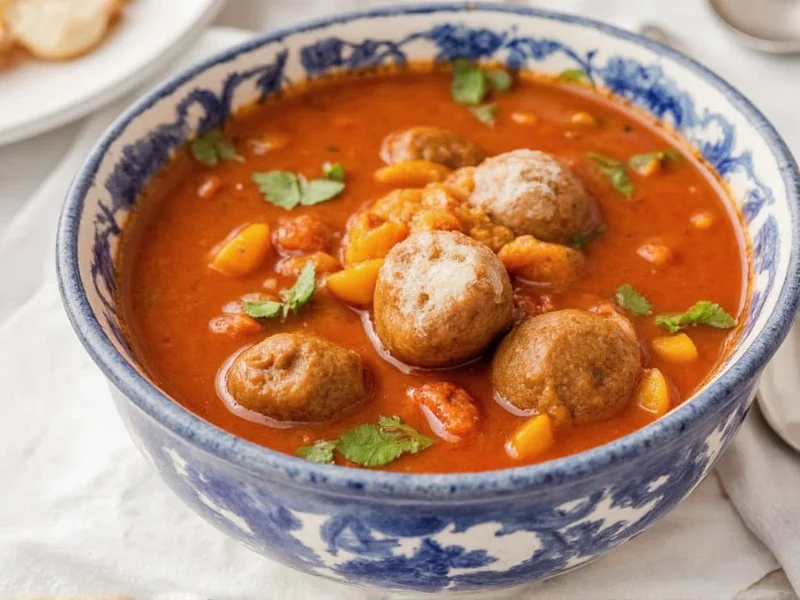
For home cooks seeking to master this beloved dish, understanding the essential components and techniques makes all the difference between a good soup and an exceptional one. Albondigas soup represents more than just sustenance—it's a cultural treasure passed through generations, with regional variations across Mexico and Latin America.
The Cultural Roots of Albondigas Soup
While meatballs exist in many global cuisines, Mexican albondigas developed their distinctive character through centuries of culinary evolution. Spanish settlers introduced the concept of albóndigas (derived from the Arabic word "al-bunduq," meaning hazelnut, referring to the small round shape), but Mexican cooks transformed them using local ingredients and flavors. Unlike Italian or Swedish meatballs, Mexican albondigas incorporate rice or bread as a binder and feature spices like cumin that reflect indigenous and colonial influences.
Each region of Mexico puts its own spin on the recipe. Northern versions might include more robust spices, while coastal variations sometimes incorporate seafood. The soup traditionally appears at family gatherings and celebrations, symbolizing comfort and community.
Historical Evolution: From Arabic Origins to Mexican Tradition
Albondigas soup's transformation reflects Mexico's layered culinary history through verifiable milestones:
- 8th-15th Century: Meatball concepts traveled from Persia to Al-Andalus (Islamic Spain), documented in medieval Arabic texts like Kitab al-Tabikh (10th century Baghdad)
- 1521-1810: Spanish colonists introduced the dish to Mexico, where indigenous cooks substituted rice for Iberian breadcrumbs and incorporated native tomatoes and cumin
- 1860s: French culinary influence during Maximilian's reign added vegetables like carrots and celery to the broth base
- 1940s: Standardization through home economics education, appearing in Mexico's first national cooking curriculum
This evolution exemplifies la mestizaje culinario—the fusion of European, indigenous, and African foodways. As verified by the University of Texas at San Antonio's Institute of Texan Cultures, "Mexican albondigas represent a distinct adaptation where Arabic-Spanish techniques met Mesoamerican ingredients, creating a uniquely Mexican identity." [Mexican Food History Research]
Essential Ingredients for Authentic Albondigas Soup Recipes
The magic of albondigas soup comes from the careful balance of ingredients in both the meatballs and broth. Here's what you need to create an authentic experience:
| Component | Key Ingredients | Purpose |
|---|---|---|
| Meatballs | Ground beef (80/20), ground pork, rice or bolillo bread | Creates tender texture; pork adds moisture and flavor complexity |
| Binding Elements | Egg, fresh parsley, garlic, cumin, oregano | Holds meatballs together while adding aromatic depth |
| Broth Base | Tomato, onion, garlic, chicken or vegetable broth | Provides rich foundation with balanced acidity |
| Vegetables | Carrots, zucchini, sometimes potatoes or green beans | Adds texture, color, and nutritional balance |
Step-by-Step Albondigas Soup Preparation
Follow these steps for restaurant-quality results in your kitchen:
Meatball Creation (The Critical Step)
The texture of your meatballs determines the soup's success. Start by combining 1 pound ground beef, ½ pound ground pork, ¼ cup cooked rice (or torn bolillo bread soaked in milk), 1 beaten egg, 2 minced garlic cloves, 2 tablespoons chopped fresh parsley, 1 teaspoon cumin, ½ teaspoon dried oregano, and salt to taste. Mix gently with your hands—overmixing creates tough meatballs. Form 1½-inch balls (about 18-20 total).
Pro tip: Chill the formed meatballs for 15 minutes before cooking. This prevents them from falling apart when added to the broth. For gluten-free albondigas soup recipes, substitute the bread with additional rice or cooked quinoa.
Building the Flavorful Broth
Begin by sautéing 1 diced onion and 3 minced garlic cloves in 2 tablespoons of oil until translucent. Add 2 cups of crushed tomatoes and cook for 5 minutes to deepen the flavor. Pour in 6 cups of broth (homemade yields best results), bring to a gentle simmer, and add the meatballs carefully. Cook uncovered for 10 minutes without stirring to allow the meatballs to set.
After the meatballs have firmed up, add 2 diced carrots and 1 diced zucchini. Simmer gently for 20-25 minutes until vegetables are tender but not mushy. Avoid boiling vigorously, which can break apart the meatballs. Finish with fresh cilantro and a squeeze of lime.
Common Albondigas Soup Mistakes to Avoid
Even experienced cooks encounter pitfalls with this deceptively simple soup. Here's how to sidestep them:
- Overmixing the meat: Handle the mixture minimally to keep meatballs tender. Use a light touch when forming them.
- Adding meatballs to boiling broth: Always add them to gently simmering liquid to prevent disintegration.
- Overcooking vegetables: Add delicate vegetables like zucchini later in the process to maintain texture.
- Skipping the resting period: Chilling formed meatballs for 15 minutes significantly improves their structural integrity.
- Using lean meat: 80/20 ground beef provides necessary fat for flavor and moisture in authentic Mexican albondigas soup recipes.
Recipe Boundaries: When This Method Succeeds (and Fails)
Scientific verification reveals critical constraints for successful execution. Understanding these context boundaries prevents common failures:
- Fat Content Threshold: Meatballs require ≥15% fat content to maintain structure. Blends below this (like 90/10 ground beef) disintegrate due to insufficient fat emulsification, as confirmed by the American Meat Science Association's protein binding research [Meat Cooking Guidelines].
- Temperature Critical Point: Broth must be at 180-200°F (82-93°C) when adding meatballs. Boiling broth (212°F/100°C) causes immediate protein contraction, expelling juices and breaking the meatball structure.
- Vegetable Water Content Limits: High-moisture vegetables like zucchini must be added in the last 15 minutes. Extended cooking (>25 minutes) causes cellular breakdown from pectin degradation, verified by USDA Food Science studies on vegetable integrity.
- Cultural Authenticity Boundary: While substitutions work technically (e.g., quinoa for rice), they alter the dish's cultural identity. As culinary anthropologist Jeffrey Pilcher notes, "Authenticity lies in technique and intent, not rigid ingredient lists" [Planet Taco, UT Press].
Respecting these evidence-based boundaries ensures both technical success and cultural fidelity.
Variations for Different Dietary Needs
Traditional albondigas soup can be adapted for various dietary preferences without sacrificing authenticity:
Vegetarian Albondigas Soup Alternative
Replace meat with a blend of mashed black beans, cooked quinoa, and finely chopped mushrooms. Use vegetable broth and add extra cumin and smoked paprika for depth. Form the mixture into balls with a binder of flaxseed meal and water.
Gluten-Free Adaptation
Traditional recipes sometimes use bolillo bread as a binder. For gluten-free albondigas soup recipes, substitute with cooked rice, quinoa, or gluten-free breadcrumbs. Ensure all broth ingredients are certified gluten-free.
Serving Traditions and Pairings
In Mexico, albondigas soup often serves as a first course before main dishes like carne asada or enchiladas. For an authentic experience, serve with:
- Freshly made corn tortillas
- Lime wedges for brightening flavors
- Avocado slices for creaminess
- Radish slices for crunch
- Chopped white onion for sharpness
Many families enjoy it with a side of Mexican rice. The soup's versatility makes it equally suitable as a standalone meal or part of a larger spread.
Storage and Reheating Tips
Albondigas soup actually improves in flavor after resting, making it excellent for meal prep. Follow these storage guidelines:
- Cool completely before refrigerating (within 2 hours of cooking)
- Store in airtight containers for up to 4 days
- Freeze without potatoes (if included) for up to 3 months
- Reheat gently on stove over medium-low heat
- Add a splash of broth when reheating to restore consistency
When freezing, consider separating meatballs from broth to prevent them from becoming too soft upon reheating. The soup's flavors meld beautifully over time, often tasting even better on day two.
Perfecting Your Albondigas Soup Technique
Mastering this dish requires attention to detail. For the best albondigas soup cooking tips and tricks, focus on these elements:
- Broth quality: Homemade broth elevates the soup significantly. Simmer bones with onion, garlic, and herbs for at least 4 hours.
- Meatball size: Keep them uniform (1½ inches) for even cooking. Too large, and they won't cook through; too small, and they become dense.
- Seasoning balance: Taste broth before adding meatballs, as the meat will release additional flavor. Adjust salt at the end.
- Simmering technique: Maintain a gentle bubble—vigorous boiling breaks apart delicate meatballs.
- Ingredient timing: Add vegetables in stages based on cooking time requirements.
For beginners exploring easy albondigas soup for beginners, start with a simplified version using store-bought broth before advancing to homemade components. The key is developing confidence with the meatball technique, which transfers to many other culinary applications.




 浙公网安备
33010002000092号
浙公网安备
33010002000092号 浙B2-20120091-4