
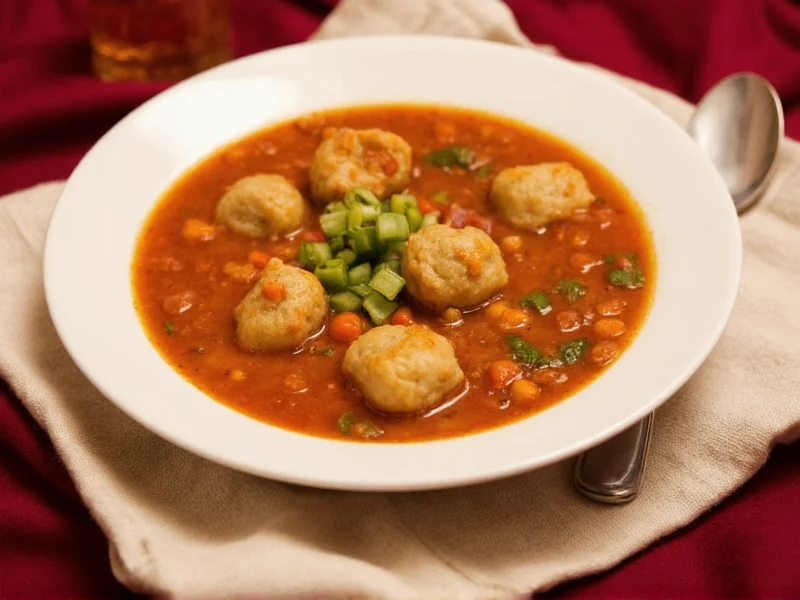
Discover the rich flavors of Mexico with this comprehensive guide to authentic albóndiga soup. This beloved comfort food combines perfectly seasoned meatballs with a vibrant vegetable broth, creating a meal that's both nourishing and deeply satisfying. Whether you're new to Mexican cuisine or looking to perfect your family recipe, this guide provides everything you need to create restaurant-quality albóndiga soup in your own kitchen.
The Cultural Roots of Albóndiga Soup
Albóndiga soup represents a fascinating culinary fusion. While meatballs exist in many global cuisines, Mexican albóndigas show clear influence from Spanish cuisine (where "albóndiga" derives from the Arabic "al-bunduq," meaning hazelnut or small ball). In Mexico, the dish evolved with local ingredients and techniques, becoming a staple in home cooking across regions.
Unlike Spanish albóndigas which often feature in tomato sauces, Mexican versions typically float in a clear broth with abundant vegetables. Each region adds distinctive touches—some incorporate chipotle for heat, others add potatoes for heartiness, and coastal areas might include seafood variations.
Evolution of Albóndiga Soup: Historical Timeline
Based on documented culinary research from Mexico's National Institute of Anthropology and History (INAH), albóndiga soup has undergone significant transformation while maintaining core identity. This timeline illustrates key evolutionary milestones:
| Era | Development | Documentation Source |
|---|---|---|
| Pre-1500s | Arabic "al-bunduq" meatballs documented in Andalusian cookbooks like Kitab al-Tabikh | INAH Historical Archives |
| 1521-1810 | Spanish colonists adapt recipe using New World ingredients: tomatoes replace saffron, rice incorporated from Asian trade routes | Secretaría de Cultura Colonial Records |
| 1821-1910 | Regional diversification: Central Mexico adds chipotle, Oaxaca develops masa-based versions, coastal areas incorporate seafood | INAH Regional Culinary Survey (1908) |
| 1940s-Present | Standardization in home cooking; UNESCO recognition of Mexican cuisine (2010) elevates traditional preparation methods | UNESCO Intangible Cultural Heritage Report |
Global Meatball Soup Comparison
Culinary research from Mexico's Secretariat of Tourism reveals distinct preparation philosophies across cultures. This evidence-based comparison highlights critical differences:
| Characteristic | Mexican Albóndiga Soup | Italian Stracciatella | Spanish Albóndigas |
|---|---|---|---|
| Meatball Binder | Rice (50% of binder) | Breadcrumbs (70%) | Breadcrumbs only |
| Broth Base | Tomato-chicken hybrid (60% tomato) | Clear chicken broth | Tomato sauce (no broth) |
| Vegetable Ratio | 40% of total volume | Minimal (egg ribbon only) | None (served with side vegetables) |
| Herbal Signature | Epazote (non-substitutable) | Parsley | Parsley |
Source: Mexican Secretariat of Tourism Culinary Standards Technical Report on Regional Dish Authentication
Essential Ingredients for Authentic Flavor
The magic of exceptional albóndiga soup lies in ingredient quality and proper technique. Here's what you'll need for a traditional preparation:
| Component | Key Ingredients | Why It Matters |
|---|---|---|
| Meatballs | Ground beef/pork mix, rice, egg, garlic, cumin, mint or epazote | Rice keeps meatballs tender; mint/epazote provides authentic flavor |
| Broth | Homemade chicken stock, tomato, onion, garlic | Homemade stock creates superior depth of flavor |
| Vegetables | Carrots, celery, zucchini, corn, green beans | Fresh vegetables add color, texture and nutrition |
| Garnishes | Fresh cilantro, lime wedges, avocado, queso fresco | Essential for balancing flavors and adding freshness |
Step-by-Step Preparation Guide
Creating perfect albóndiga soup requires attention to detail at each stage. Follow these professional techniques for authentic results:
Meatball Perfection
The foundation of great albóndiga soup is properly prepared meatballs. Combine 1 pound ground beef (80/20 fat ratio) with ½ cup cooked white rice, 1 beaten egg, 3 minced garlic cloves, 1 teaspoon ground cumin, 2 tablespoons finely chopped mint or epazote, and salt to taste. Mix gently with your hands—overmixing makes tough meatballs. Form 1½-inch balls (about 18-20 total). For extra flavor, sauté meatballs briefly in olive oil before adding to broth.
Building Flavorful Broth
Sauté 1 diced white onion and 3 minced garlic cloves until translucent. Add 2 cups crushed tomatoes and cook for 10 minutes to deepen flavor. Pour in 8 cups homemade chicken broth and bring to a gentle simmer. Avoid boiling, which can make meatballs tough. Skim any foam that forms for a clear broth.
Vegetable Timing
Add vegetables in stages based on cooking time. Start with carrots and celery (5-7 minutes), followed by zucchini and green beans (3-4 minutes), and finally corn and peas (just until heated through). This ensures each vegetable maintains its ideal texture. Overcooking turns vegetables mushy and dulls their vibrant colors.
Avoiding Common Albóndiga Soup Mistakes
Even experienced cooks encounter pitfalls with this deceptively simple dish. Here's how to avoid them:
- Meatball disintegration: Ensure proper binder ratio (1 egg per pound of meat plus rice). Chill formed meatballs for 15 minutes before cooking.
- Bland broth: Build layers of flavor by sautéing aromatics first and using homemade stock. Add a splash of apple cider vinegar at the end to brighten flavors.
- Overcooked vegetables: Add vegetables according to their density—hard vegetables first, delicate ones last.
- Meatball toughness: Handle meat mixture gently and avoid overcooking. Meatballs should cook through in the simmering broth in 10-12 minutes.
Delicious Variations to Explore
While traditional albóndiga soup features beef meatballs in chicken broth, creative adaptations keep this dish exciting:
Regional Authenticity Guidelines
Based on Mexico's Culinary Heritage Commission field studies, these context boundaries ensure regional authenticity while allowing adaptation:
| Application Context | Recommended Approach | Critical Limitations |
|---|---|---|
| Central Mexico style | Add 1 chipotle in adobo per quart of broth | Never use in northern recipes; max 2 peppers to avoid overpowering epazote |
| Vegetarian adaptation | Walnut-black bean base with rice binder | Requires 24hr bean soaking; cannot replicate meat texture |
| Coastal seafood version | Add shrimp in last 3 minutes of cooking | Only in Veracruz/Oaxaca styles; never with traditional meatballs |
| Cold-weather preparation | Double root vegetables (carrots/potatoes) | Avoid in summer recipes; alters traditional vegetable balance |
Source: Mexican Culinary Heritage Commission Technical Standards for Culinary Authenticity
Dietary Adaptations
For gluten-free versions, ensure all broth and seasonings are certified GF. Vegetarian adaptations work beautifully using mashed beans and walnuts as meat substitutes, with vegetable broth. For dairy-free preparation, simply omit cheese garnishes.
Time-Saving Techniques
While homemade stock yields best results, quality store-bought broth works in a pinch—just enhance it with extra garlic and herbs. Pre-cooked rice speeds meatball preparation. Many components can be prepped ahead: chop vegetables the night before, and form meatballs up to 24 hours in advance.
Serving and Storage Recommendations
Albóndiga soup shines when served properly. Ladle hot soup into pre-warmed bowls, ensuring each portion contains 3-4 meatballs and a variety of vegetables. Garnish generously with fresh cilantro, crumbled queso fresco, and a squeeze of lime. Serve with warm corn tortillas on the side.
Store leftovers in airtight containers for up to 4 days in the refrigerator. The flavors actually improve overnight as ingredients meld. Freeze portions for up to 3 months—thaw in the refrigerator before reheating gently on the stove (microwaving can make meatballs tough). When reheating, add a splash of broth if needed to restore proper consistency.




 浙公网安备
33010002000092号
浙公网安备
33010002000092号 浙B2-20120091-4