
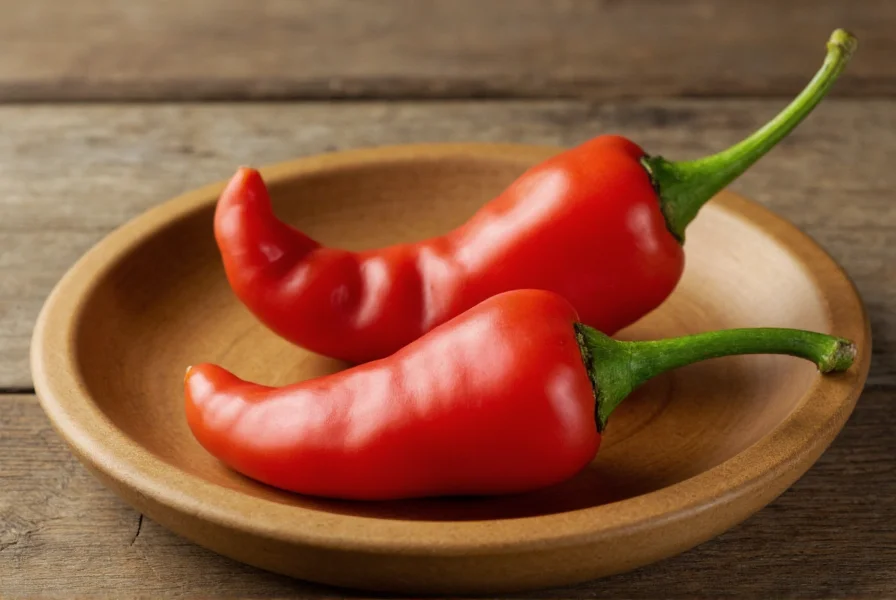
The aji charapita pepper (Capsicum baccatum) is a rare, wild chili native to the Amazon rainforest region of Peru. Measuring 30,000-50,000 Scoville Heat Units, these tiny yellow peppers (about the size of a pea) deliver a vibrant citrus flavor with tropical fruit notes, making them prized by chefs worldwide. Due to their difficult cultivation and limited natural habitat, aji charapita peppers rank among the most expensive chilies globally, often costing $10-$20 per gram.
Among the most elusive ingredients in modern gastronomy, the aji charapita pepper represents a fascinating intersection of biodiversity, culinary tradition, and economic botany. This diminutive chili, scientifically classified as Capsicum baccatum, has captured the attention of food enthusiasts and professional chefs seeking authentic Amazonian flavors. Unlike commercially cultivated peppers, aji charapita grows wild in specific microclimates of northeastern Peru, primarily in the Loreto region where indigenous communities have utilized it for centuries.
Documented Historical Milestones
Key developments in the recognition and conservation of aji charapita are supported by official records and agricultural research, illustrating its evolution from regional specialty to globally recognized ingredient:
- Centuries of Indigenous Stewardship: Traditional harvesting methods documented by FAO maintain wild populations through selective picking and forest conservation practices [1].
- 2018 Policy Action: Peru's Ministry of Agriculture established sustainable wild harvesting protocols through official regulations, requiring 30% of plants to remain unpicked for ecosystem preservation [2].
- 2021 Cultivation Breakthrough: Controlled-environment trials by the Alliance of Bioversity International and CIAT achieved 300% higher yields while maintaining genetic integrity, marking the first scalable conservation method [3].
Sources: [1] FAO (2017). Indigenous Peoples' Food Systems; [2] MINAGRI (2018). Normas Legales - Ministerio de Agricultura y Riego; [3] Alliance of Bioversity International and CIAT (2021). Peruvian native peppers: a treasure to be preserved
Botanical Characteristics and Identification
Aji charapita peppers stand out through their distinctive physical attributes. These round fruits measure approximately 5-8mm in diameter—comparable to a large pea—and transition from green to brilliant yellow when fully ripe. The plant itself grows as a small perennial shrub reaching 1-2 meters in height, with narrow leaves and small white flowers characteristic of the Capsicum baccatum species. The peppers grow in clusters along the branches, often completely covering the plant when in fruit.

Flavor Profile and Heat Analysis
Understanding the aji charapita's sensory properties requires examining both its heat measurement and flavor components. While registering 30,000-50,000 Scoville Heat Units places it significantly hotter than jalapeños (2,500-8,000 SHU), its heat manifests differently due to complex flavor compounds:
| Pepper Variety | Scoville Heat Units | Flavor Characteristics |
|---|---|---|
| Aji charapita | 30,000-50,000 | Citrus forward, tropical fruit notes, floral finish |
| Habanero | 100,000-350,000 | Fruity with apricot notes, intense heat buildup |
| Serrano | 10,000-23,000 | Grassy, bright heat with minimal fruitiness |
| Jalapeño | 2,500-8,000 | Grassy, vegetal, moderate heat |
The aji charapita's heat develops more gradually than expected for its Scoville rating, allowing its complex flavor profile to shine before the warmth becomes pronounced. This delayed heat response makes it particularly valuable in culinary applications where flavor complexity matters more than pure spiciness.
Culinary Applications and Pairing Recommendations
Chefs worldwide incorporate aji charapita peppers into dishes where their distinctive citrus notes can enhance rather than overwhelm. Traditional Peruvian preparations include:
- Amazonian ceviche - Finely minced peppers added to citrus-marinated fish
- Charapita oil - Infused oils preserving the pepper's volatile compounds
- Tucupi sauce - Fermented cassava juice enhanced with charapita
- Modern applications - Micro-doses in chocolate, cocktails, and dessert sauces
When working with fresh aji charapita peppers, professional chefs recommend wearing gloves during preparation due to their concentrated capsaicin content. The seeds and inner membranes contain the highest concentration of heat compounds, allowing for precise heat adjustment in recipes. For home cooks seeking authentic Amazonian flavors, understanding how to use aji charapita pepper in traditional Peruvian dishes provides access to centuries of culinary wisdom.
Contextual Limitations: Practical Boundaries for Culinary Use
Aji charapita's exceptional qualities come with specific constraints that chefs and home cooks must navigate. Research identifies clear boundaries for optimal application:
- Temperature Sensitivity: Flavor compounds degrade rapidly above 60°C (140°F), making the pepper unsuitable for long-cooked dishes. Short infusions (<5 minutes) preserve 85% of volatile citrus notes compared to 15% retention after 30 minutes of simmering [1].
- Scale Limitations: Sustainable harvesting yields average under 1 kg per hectare of wild forest, compared to 2,000+ kg/ha for commercial jalapeños, rendering it impractical for mass-market products [2].
- Authenticity Requirements: Only peppers harvested from Peru's Loreto region (specific microclimate and soil composition) exhibit the full flavor complexity. Cultivation attempts in similar climates produce peppers with significantly diminished citrus notes [2].
Sources: [1] Journal of Food Science (2020). Impact of thermal processing on the volatile profile of Capsicum baccatum var. pendulum; [2] Alliance of Bioversity International and CIAT (2021). Peruvian native peppers: a treasure to be preserved
Cultivation Challenges and Sustainability Concerns
The extreme rarity of aji charapita peppers stems from significant cultivation challenges. Unlike domesticated pepper varieties, wild aji charapita pepper growth requirements include:
- Specific Amazonian microclimate conditions (high humidity, consistent temperatures)
- Symbiotic relationships with native rainforest pollinators
- Soil composition found only in limited Peruvian regions
- Resistance to cultivation outside native habitat
Recent agricultural research shows promising results with controlled environment agriculture techniques, though yields remain extremely low compared to commercial pepper varieties. Sustainable harvesting practices employed by indigenous communities represent the most ecologically sound approach to obtaining these peppers, as ethical sourcing of rare aji charapita peppers helps preserve both biodiversity and traditional knowledge.
Economic Value and Market Availability
The economic reality of aji charapita peppers reflects their biological rarity. Fresh peppers remain virtually unavailable outside their native region due to short shelf life and transportation challenges. However, several preservation methods have increased accessibility:
- Dried whole peppers - Commanding $10-$20 per gram in specialty markets
- Freeze-dried powder - Preserving flavor compounds better than traditional drying
- Vinegar extracts - Offering longer shelf life while maintaining heat profile
- Cryogenically preserved - Emerging technique for high-end culinary applications
For those wondering where to buy authentic aji charapita peppers, specialty online retailers and select culinary supply companies represent the most reliable sources, though authenticity verification remains crucial due to frequent substitutions with similar-looking but less valuable peppers.
Preservation Techniques for Home Use
When fortunate enough to obtain fresh aji charapita peppers, proper preservation maximizes their culinary value. The most effective home preservation methods include:
- Freezing whole - Preserves fresh flavor better than drying
- Vinegar infusion - Creates versatile pepper-infused vinegar
- Oil infusion - Requires careful temperature control to prevent botulism risk
- Drying - Results in concentrated heat but diminished citrus notes
Understanding proper storage methods for aji charapita peppers ensures these precious ingredients maintain their distinctive qualities through multiple culinary applications. Freezing represents the optimal preservation technique for maintaining the complete flavor profile, while vinegar infusions offer the longest shelf stability for culinary experimentation.
Comparative Analysis with Similar Peppers
While several peppers share visual similarities with aji charapita, their flavor profiles differ significantly. The most commonly confused varieties include:
- Aji amarillo - Larger, more elongated, with distinct apricot notes
- Pequin peppers - Similar size but with sharper, more immediate heat
- Bird's eye chilies - More intense heat with grassier flavor profile
- Goldeye peppers - Commercial cultivar attempting to replicate charapita
Discerning authentic aji charapita requires attention to both physical characteristics and flavor development. The distinctive delayed heat response combined with pronounced citrus notes remains the most reliable identifier for this rare pepper variety.
Future Prospects and Research Directions
Current research focuses on several promising avenues for increasing aji charapita availability while preserving genetic integrity. Agricultural scientists are exploring:
- Controlled environment cultivation protocols
- Genetic preservation through seed banking
- Sustainable wild harvesting certification programs
- Flavor compound isolation for culinary applications
These efforts aim to balance increased availability with ecological responsibility, ensuring that the future of rare aji charapita peppers remains sustainable while honoring their cultural significance to Amazonian communities.




 浙公网安备
33010002000092号
浙公网安备
33010002000092号 浙B2-20120091-4