
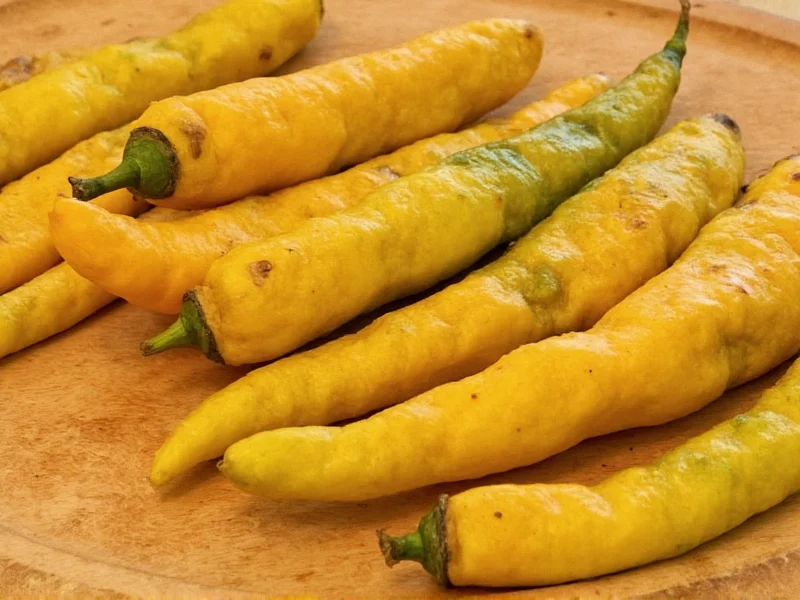
If you've ever wondered how to create an authentic Peruvian dish with that distinctive yellow pepper flavor, you've found the right guide. Aji amarillo (meaning 'yellow chili' in Spanish) is the heart of Peruvian cuisine, offering a complex flavor profile that's both fruity and moderately spicy. This traditional recipe showcases the pepper's versatility while staying true to its Andean roots.
Understanding Aji Amarillo
Aji amarillo isn't just another chili pepper—it's Peru's culinary treasure. These bright yellow peppers grow abundantly in the Andean region and feature a Scoville rating of 30,000-50,000 units, placing them between a jalapeño and cayenne in heat intensity. What makes them special is their unique flavor: tropical fruit notes of apricot and melon with floral undertones, all wrapped in a manageable heat that builds gradually.
Historical Significance in Peruvian Cuisine
Archaeological evidence confirms aji amarillo's cultivation by pre-Columbian civilizations over 6,000 years ago, with Capsicum baccatum var. pendulum being a staple crop of Andean cultures. Spanish colonial records from the 16th century document its integration into mestizo cuisine, forming the foundation of modern Peruvian gastronomy. Today, it remains central to Peru's culinary identity, recognized by UNESCO as part of Intangible Cultural Heritage since 2014. The FAO's research on Andean crops details this domestication history, while UNESCO documentation highlights its contemporary cultural significance.
When shopping for aji amarillo, you'll typically find three forms:
| Form | Best For | Substitution Ratio |
|---|---|---|
| Fresh peppers | Traditional recipes, roasting | 1:1 (use 2-3 peppers per recipe) |
| Paste (100% aji) | Quick preparation, consistent flavor | 1 tablespoon = 1 fresh pepper |
| Canned peppers | Year-round availability | 1 canned pepper = 1 fresh pepper |
| Ground powder | Emergency substitute only | 1 teaspoon = 1 fresh pepper (adjust to taste) |
Traditional Aji Amarillo Chicken Recipe
This authentic Peruvian aji amarillo chicken recipe (Pollo con Aji Amarillo) has been perfected over generations. The creamy yellow pepper sauce clings beautifully to the chicken, creating a dish that's both comforting and excitingly flavorful.
Ingredients
- 4 boneless, skinless chicken thighs (1.5 lbs)
- 3 fresh aji amarillo peppers, seeds removed
- 1 large yellow onion, finely chopped
- 3 garlic cloves, minced
- 1 cup evaporated milk
- 2 tablespoons vegetable oil
- 1 teaspoon cumin
- 1/2 cup fresh cilantro, chopped
- Salt and black pepper to taste
- 1 large boiled potato, sliced (for serving)
- Cooked white rice (for serving)
Step-by-Step Preparation
- Prepare the peppers: Roast fresh aji amarillo over open flame or under broiler until skin blisters (about 5 minutes). Place in sealed bag for 10 minutes, then peel and remove seeds. If using paste, skip to step 3.
- Create the base sauce: Blend peeled peppers with 1/4 cup water until smooth. For paste version, mix 3 tablespoons aji amarillo paste with 1/4 cup water.
- Sauté aromatics: Heat oil in large skillet over medium heat. Cook onions until translucent (5 minutes), add garlic and cumin, cooking 1 minute more until fragrant.
- Combine ingredients: Add chicken to skillet, sear 3 minutes per side. Pour in aji amarillo mixture and evaporated milk. Season with salt and pepper.
- Simmer to perfection: Reduce heat to low, cover, and simmer 25-30 minutes until chicken is tender and sauce has thickened. Stir in cilantro just before serving.
- Serve traditionally: Plate over white rice with boiled potato slices on the side.
Pro Tips for Perfect Aji Amarillo Dishes
Mastering this authentic Peruvian aji amarillo recipe requires attention to detail. Here are professional techniques that elevate your dish from good to exceptional:
- Heat management: Always remove seeds and white membranes from fresh peppers—they contain most of the capsaicin. Wear gloves when handling to prevent skin irritation.
- Flavor development: For deeper flavor, roast peppers until nearly black before peeling, but don't burn them as this creates bitterness.
- Sauce consistency: If your sauce is too thin, create a slurry with 1 teaspoon cornstarch and 2 tablespoons cold water, then stir into simmering sauce.
- Acidity balance: A squeeze of fresh lime juice just before serving brightens the rich, creamy sauce and enhances the pepper's fruitiness.
Common Substitutions and Variations
When authentic aji amarillo isn't available, these substitutions maintain the spirit of the dish while adapting to your pantry:
- For fresh peppers: Mix equal parts orange bell pepper and serrano pepper (1:1 ratio). Add 1/4 teaspoon paprika for color.
- For paste: Combine 2 tablespoons roasted red pepper hummus with 1 teaspoon cayenne pepper and 1 teaspoon honey.
- Vegan version: Substitute chicken with roasted cauliflower or sweet potatoes, and use coconut milk instead of evaporated milk.
- Seafood variation: Replace chicken with firm white fish (like halibut) and reduce cooking time to 15 minutes.
Critical Context Boundaries: Substitutions work only for heat adaptation in non-traditional contexts. Peruvian chefs emphasize that aji amarillo's unique flavor profile—fruity with floral notes—is irreplaceable. The bell pepper/serrano mix lacks characteristic apricot undertones and fails in classic dishes like Papa a la Huancaína. Hummus-based alternatives introduce tahini flavors that clash with traditional potato pairings. Authentic aji amarillo paste remains essential for cultural authenticity, as confirmed by Peru's National Agricultural Innovation Institute research on regional flavor dependencies.
Storage and Reheating Instructions
Aji amarillo dishes often taste better the next day as flavors continue to meld. Proper storage ensures maximum freshness:
- Refrigeration: Store in airtight container for up to 4 days. The sauce may thicken—add a splash of milk when reheating.
- Freezing: Freeze portions for up to 3 months. Thaw overnight in refrigerator before reheating.
- Reheating: Warm gently over medium-low heat, stirring frequently. Avoid boiling which can cause the sauce to separate.
Why This Authentic Aji Amarillo Recipe Works
The magic of this traditional Peruvian aji amarillo recipe lies in its balance. The creamy evaporated milk tempers the pepper's heat while enhancing its natural fruitiness. Cumin provides earthy depth that complements rather than competes with the aji amarillo's distinctive flavor. When prepared correctly, the sauce should coat the back of a spoon without being gloppy—a perfect texture achieved through patient simmering rather than thickeners.
Many home cooks make the mistake of using too much pepper or not balancing the flavors properly. Remember that aji amarillo's heat builds gradually, so start with less than you think you need—you can always add more. The ideal finished dish should have a gentle warmth that lingers pleasantly without overwhelming your palate.
Frequently Asked Questions
Where can I buy aji amarillo peppers?
Fresh aji amarillo peppers are typically found in Latin American grocery stores, especially those specializing in Peruvian products. In major cities, you might find them at farmers' markets during summer. For consistent year-round availability, look for frozen aji amarillo peppers or high-quality paste (like Ají Limo or Inca's Food brands) at specialty food stores or online retailers. Many mainstream supermarkets now carry aji amarillo paste in their international foods section.
How spicy is aji amarillo compared to other peppers?
Aji amarillo registers between 30,000-50,000 Scoville Heat Units, making it significantly hotter than a jalapeño (2,500-8,000 SHU) but milder than a cayenne pepper (30,000-50,000 SHU). What sets it apart is its flavor profile—while it delivers noticeable heat, it also has distinct tropical fruit notes of apricot and passion fruit. The heat builds gradually rather than hitting you immediately, making it more approachable than many peppers of similar Scoville rating. When preparing authentic Peruvian aji amarillo recipes, remember that removing seeds and membranes reduces heat by about 70%.
Can I make this recipe vegetarian or vegan?
Absolutely! For a vegetarian version, simply omit the chicken and add hearty vegetables like roasted sweet potatoes, zucchini, or mushrooms. For a vegan adaptation, replace the evaporated milk with full-fat coconut milk and use vegetable broth instead of chicken stock. The aji amarillo's natural fruitiness pairs beautifully with plant-based ingredients. Many traditional Peruvian dishes featuring aji amarillo are already vegetarian, like Papa a la Huancaína (potatoes in spicy cheese sauce). Just be sure to check that any store-bought aji amarillo paste doesn't contain dairy if you're making a vegan version.
How do I handle aji amarillo peppers safely?
When handling fresh aji amarillo peppers, always wear disposable gloves to prevent capsaicin from irritating your skin. Avoid touching your face, especially eyes, during preparation. Work in a well-ventilated area as the fumes can be strong. If using fresh peppers, roast them first to make peeling easier—place over open flame or under broiler until skin blisters, then seal in a paper bag for 10 minutes before peeling. Never use plastic bags for this step as they can melt. After handling, wash all utensils and cutting boards thoroughly with soapy water. If you accidentally touch your eyes, rinse with cold milk rather than water, as capsaicin is fat-soluble.
What dishes pair well with aji amarillo sauce?
Aji amarillo sauce is incredibly versatile in Peruvian cuisine. It traditionally accompanies boiled potatoes (Papa a la Huancaína), grilled chicken, or seafood dishes. It makes an excellent dipping sauce for empanadas or causa (mashed potato cakes). For modern applications, try it as a sandwich spread, mixed into mayonnaise for a spicy aioli, or drizzled over roasted vegetables. In authentic Peruvian cooking, it's often served alongside white rice and a simple green salad to balance the heat. The sauce also freezes beautifully, so make a large batch to have on hand for quick meals throughout the week.




 浙公网安备
33010002000092号
浙公网安备
33010002000092号 浙B2-20120091-4