
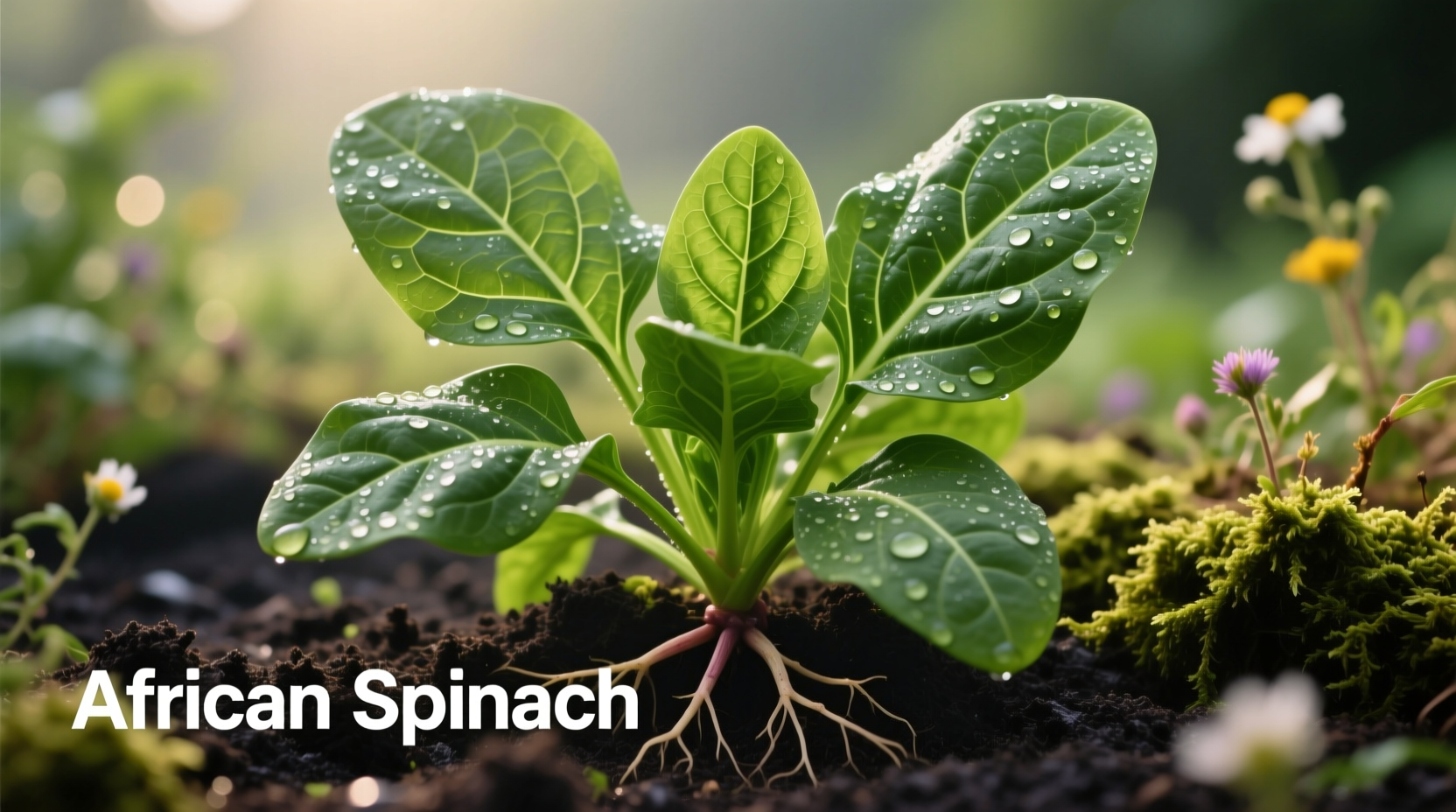
What Exactly Is African Spinach?
Despite its name, "African spinach" isn't actually spinach (Spinacia oleracea) but refers to several traditional leafy greens cultivated across Africa for centuries. The most common varieties include:
- Amaranth greens (Amaranthus cruentus, A. dubius) - Known as "bologi" in Nigeria, "doodo" in Kenya
- Jute mallow (Corchorus olitorius) - Called "molokhia" in Egypt, "ewedu" in Nigeria
- Slender leaf (Cassia obtusifolia) - Referred to as "kpalugu" in Ghana
These nutrient-dense greens have sustained African communities through droughts and food shortages due to their remarkable resilience. Unlike regular spinach which bolts quickly in heat, African spinach varieties flourish in tropical conditions where traditional spinach fails.
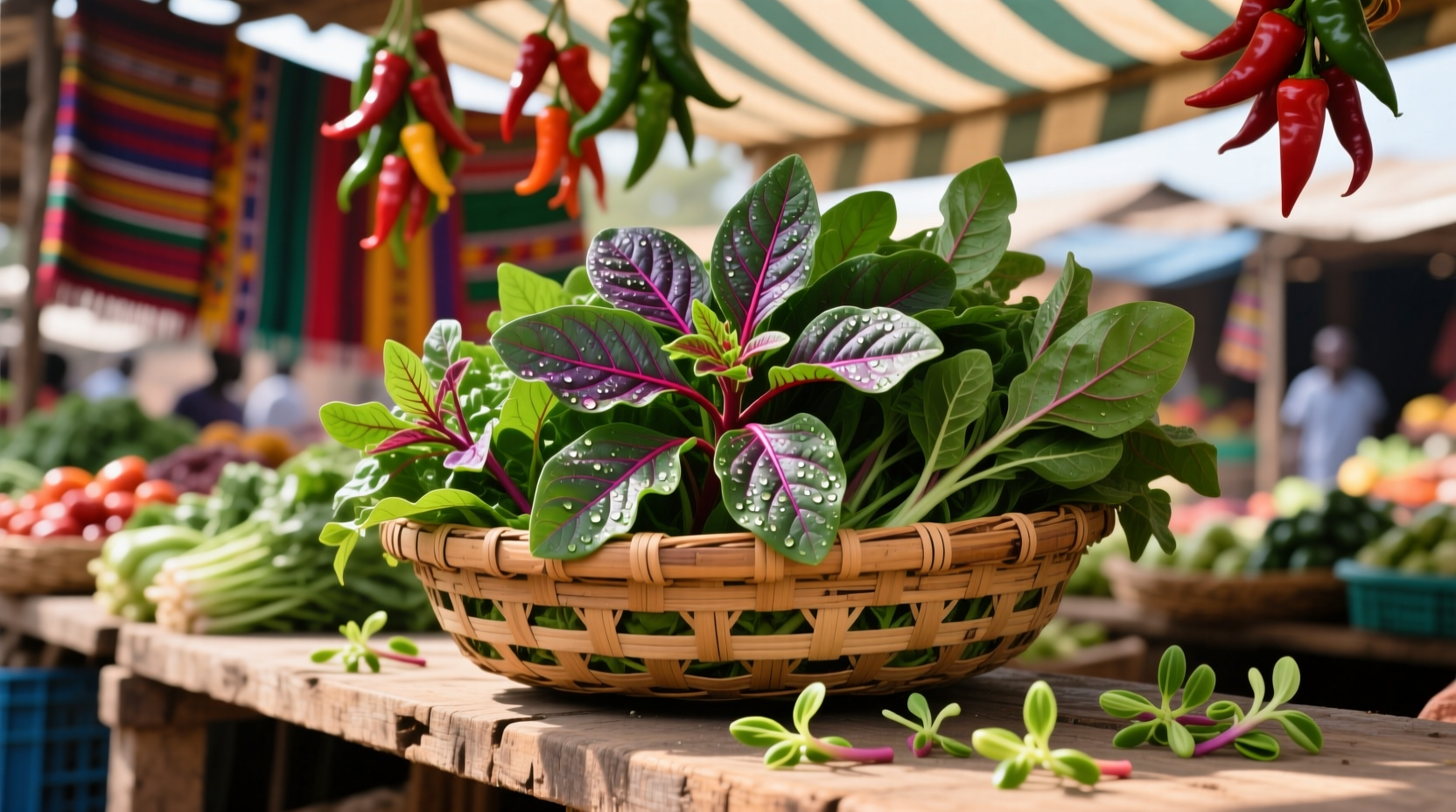
Nutritional Powerhouse: African Spinach vs Regular Spinach
| Nutrient (per 100g) | African Spinach (Amaranth) | Regular Spinach |
|---|---|---|
| Iron | 2.3 mg (30% more) | 1.7 mg |
| Calcium | 215 mg (double) | 99 mg |
| Vitamin A | 1,000+ IU | 469 IU |
| Vitamin C | 30 mg | 28 mg |
| Protein | 3.8 g | 2.9 g |
Source: USDA FoodData Central comparison of Amaranth leaves vs Spinach (raw)
Health Benefits Backed by Research
African spinach delivers exceptional health benefits supported by nutritional science:
- Anemia prevention - The high iron content (with vitamin C for absorption) makes it particularly valuable in regions with iron deficiency
- Bone health support - Double the calcium of regular spinach with better bioavailability due to lower oxalate content
- Vision protection - Rich in beta-carotene which converts to vitamin A, crucial for eye health
- Antioxidant properties - Contains unique phytochemicals like amaranthine with potent antioxidant effects
According to research published in the African Journal of Food Science, communities regularly consuming African leafy vegetables show 25% lower rates of micronutrient deficiencies compared to those relying solely on introduced vegetables.
Growing African Spinach: A Resilient Superfood
One of the most compelling advantages of African spinach is its remarkable adaptability:
- Growth timeline - Ready for harvest in just 3-4 weeks from planting
- Drought tolerance - Thrives with minimal water once established
- Soil flexibility - Grows in poor soils where other vegetables fail
- Pest resistance - Naturally resistant to many common garden pests
The Food and Agriculture Organization (FAO) identifies African leafy vegetables as critical climate-resilient crops for food security in sub-Saharan Africa. Unlike regular spinach which requires cool temperatures, African spinach varieties flourish in temperatures up to 35°C (95°F).
Cooking with African Spinach: Traditional Methods
Traditional preparation methods maximize both flavor and nutrition:
- Washing technique - Soak leaves in salt water to remove insects (common in traditional cultivation)
- Blanching - Briefly boil leaves to reduce any natural bitterness while preserving nutrients
- Stir-frying - Cook quickly with onions, tomatoes, and traditional spices like locust beans
- Stewing - Simmer with proteins for traditional dishes like Nigerian "Efo Riro"
Unlike regular spinach which wilts dramatically when cooked, African spinach maintains more texture, making it ideal for hearty stews and soups. The flavor profile is earthier with subtle nutty notes, particularly in amaranth varieties.
Where to Find and How to Select African Spinach
Finding authentic African spinach depends on your location:
- African immigrant communities - Most reliable source in Western countries
- Specialty grocers - Look for "callaloo," "bologi," or "molokhia"
- Farmer's markets - Increasingly available as interest in traditional foods grows
- Home gardening - Amaranth seeds widely available from seed companies
When selecting fresh African spinach, look for vibrant green leaves without yellowing or wilting. The stems should be crisp, not limp. Unlike regular spinach which is often sold in pre-washed bags, authentic African spinach typically comes with roots attached, indicating recent harvest.
Cultural Significance and Modern Revival
African spinach represents more than just food—it's part of a cultural heritage that's experiencing global recognition:
- Historical timeline - Amaranth has been cultivated in Africa for over 2,000 years, with evidence of use dating to ancient Egyptian times
- Colonial suppression - Many traditional African vegetables were discouraged during colonial periods in favor of European crops
- Modern revival - Recognized by UNESCO as part of intangible cultural heritage in several African nations
- Global spread - Now grown in tropical regions worldwide from the Caribbean to Southeast Asia
According to a 2019 study in the Journal of Ethnobiology and Ethnomedicine, 78% of surveyed communities in East Africa consider traditional leafy vegetables like African spinach essential to cultural identity, though only 42% of younger generations regularly consume them—a gap driving preservation efforts.
Practical Considerations for Home Cooks
Before incorporating African spinach into your diet, understand these important factors:
- Availability limitations - Fresh varieties may be seasonal outside tropical regions
- Preparation differences - Requires longer cooking than regular spinach to achieve optimal texture
- Flavor adaptation - Earthier taste may require adjustment for those accustomed to milder greens
- Substitution guidance - Can replace regular spinach in most recipes at 1:1 ratio, but expect different texture
For best results when substituting African spinach in Western recipes, add a squeeze of lemon juice to balance the earthier flavor profile and enhance iron absorption. Frozen varieties maintain nutritional value well and offer year-round availability in regions where fresh options are limited.




 浙公网安备
33010002000092号
浙公网安备
33010002000092号 浙B2-20120091-4