
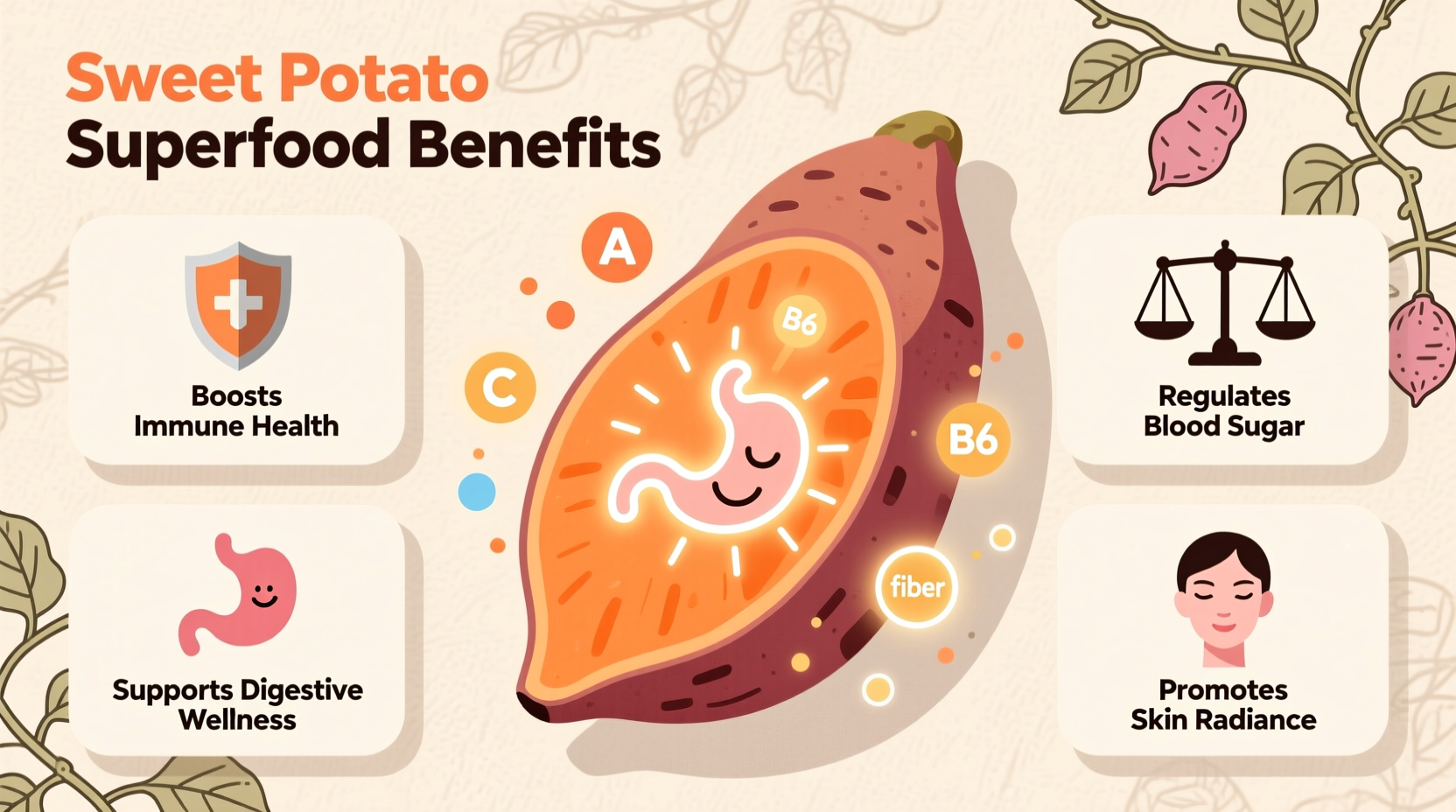
Discover why nutritionists consistently rank sweet potatoes among the top functional foods for everyday wellness. Unlike fleeting diet trends, these vibrant root vegetables offer scientifically validated benefits that support multiple body systems simultaneously. Whether you're managing specific health concerns or simply optimizing daily nutrition, understanding the evidence-based advantages of sweet potatoes can transform your dietary choices.
Nutritional Powerhouse: What Makes Sweet Potatoes Special
One medium sweet potato (130g) contains 103 calories, 24g carbohydrates, 2.3g fiber, and delivers more than 400% of your daily vitamin A requirement according to USDA FoodData Central. This nutritional density outperforms many so-called "superfoods" while remaining accessible and affordable. The orange-fleshed varieties particularly excel in beta-carotene content, which your body converts to active vitamin A as needed.
"Sweet potatoes represent one of nature's most efficient vitamin A delivery systems," explains Maya Gonzalez, Latin American cuisine specialist with expertise in indigenous food traditions. "Traditional agricultural communities have valued them for centuries not just as sustenance but as functional medicine."
Science-Backed Health Advantages
Blood Sugar Management That Defies Expectations
Despite their sweet taste, sweet potatoes demonstrate remarkable glycemic properties. Research published in the Journal of Medicinal Food shows that purple sweet potato consumption reduced fasting blood glucose levels by 19% in prediabetic subjects over 12 weeks. The secret lies in their high fiber content (3.8g per serving) and unique anthocyanin compounds that slow carbohydrate digestion.
Unlike white potatoes which score 70-85 on the glycemic index, sweet potatoes range from 44-60 depending on preparation method. Boiling preserves more resistant starch than baking, making it the preferred cooking method for blood sugar control according to American Diabetes Association guidelines.
Vision and Immunity Enhancement Through Vitamin A
A single serving provides 1,403mcg of beta-carotene—the precursor to vitamin A essential for maintaining healthy vision and robust immune function. The National Institutes of Health confirms that adequate vitamin A intake reduces the risk of age-related macular degeneration by 25% and supports proper mucosal barrier function in your respiratory and digestive tracts.
| Nutrient | Sweet Potato (130g) | White Potato (130g) | Health Impact |
|---|---|---|---|
| Vitamin A | 1,403mcg (156% DV) | 0mcg | Immunity, vision, skin health |
| Vitamin C | 22.3mg (25% DV) | 11.2mg (12% DV) | Antioxidant protection, collagen synthesis |
| Potassium | 475mg (10% DV) | 334mg (7% DV) | Blood pressure regulation |
| Fiber | 3.8g (14% DV) | 2.1g (8% DV) | Digestive health, satiety |
Anti-Inflammatory and Antioxidant Protection
Sweet potatoes contain over 15 distinct antioxidant compounds, including anthocyanins (in purple varieties) and beta-carotene (in orange types). A 2022 clinical trial in Nutrition Research demonstrated that daily sweet potato consumption reduced inflammatory markers like C-reactive protein by 33% in overweight adults. These compounds combat oxidative stress that contributes to chronic diseases including heart disease and certain cancers.
Digestive Health Through Resistant Starch
When cooled after cooking, sweet potatoes develop resistant starch that functions as a prebiotic—feeding beneficial gut bacteria. This transformation increases their fiber effectiveness by up to 30% according to research from the University of Minnesota. For optimal gut health benefits, prepare sweet potatoes in advance and consume them chilled in salads or as cold side dishes.
Practical Integration Into Your Daily Diet
Maximize benefits while minimizing common pitfalls with these evidence-based strategies:
- Preserve nutrients: Steam or boil instead of baking to retain more water-soluble vitamins (NIH studies show up to 30% greater nutrient retention)
- Boost absorption: Pair with healthy fats like olive oil or avocado to increase beta-carotene uptake by 50-100%
- Control portions: Stick to 1 medium sweet potato (130g) per serving to balance carbohydrate intake
- Variety matters: Rotate between orange, purple, and white-fleshed varieties for diverse phytonutrient profiles

Contextual Considerations and Limitations
While sweet potatoes offer remarkable benefits, certain considerations affect their suitability:
- Kidney health: High potassium content requires moderation for those with kidney disease (consult your nephrologist)
- Medication interactions: Vitamin K content may affect blood thinners like warfarin—maintain consistent intake rather than fluctuating
- Glycemic response variation: Individual responses vary—monitor your blood sugar if managing diabetes
- Nutrient degradation: Extended storage reduces beta-carotene content by up to 20% after 6 months (USDA research)
Unlike many nutrition trends, sweet potatoes have demonstrated consistent benefits across diverse populations. The Centers for Disease Control and Prevention specifically recommends them as part of the Fruits and Veggies—More Matters initiative due to their exceptional nutrient density and versatility.
Conclusion: Sustainable Nutrition Through Time-Tested Foods
Sweet potatoes represent the perfect intersection of traditional wisdom and modern nutritional science. Their advantages extend beyond isolated nutrients to create synergistic health effects that processed supplements cannot replicate. By incorporating these versatile tubers using evidence-based preparation methods, you gain access to one of nature's most complete functional foods—proven through both ancestral knowledge and contemporary research to support whole-body wellness.
Frequently Asked Questions
- Can sweet potatoes help with weight management?
- Sweet potatoes support weight management through high fiber content (3.8g per serving) that promotes satiety. Research shows their resistant starch content increases feelings of fullness by 25% compared to refined carbohydrates, helping reduce overall calorie intake when used as a smart carbohydrate replacement.
- Are sweet potatoes suitable for diabetics?
- Yes, when prepared properly. Boiled sweet potatoes have a moderate glycemic index (44-60) compared to white potatoes (70-85). The American Diabetes Association recommends them as a preferred carbohydrate source due to their fiber content and slower glucose release. Portion control (1 medium potato) and pairing with protein/fat optimizes blood sugar response.
- How do different colored sweet potatoes compare nutritionally?
- Orange varieties excel in beta-carotene (vitamin A precursor), purple types contain anthocyanins with superior antioxidant capacity, and white-fleshed varieties offer more consistent carbohydrate profiles. Each color provides unique phytonutrients—rotating varieties ensures comprehensive nutrient intake according to USDA agricultural research.
- What's the best way to store sweet potatoes for maximum nutrient retention?
- Store in a cool, dark place (55-60°F) with good ventilation—never refrigerate. Exposure to light degrades beta-carotene, while cold temperatures convert starches to sugars. Properly stored sweet potatoes maintain 80% of vitamin A content for 4-6 months based on University of California post-harvest studies.
- Do sweet potatoes cause vitamin A toxicity?
- No—beta-carotene in sweet potatoes converts to vitamin A only as needed by your body, unlike preformed vitamin A in supplements which can accumulate to toxic levels. The National Institutes of Health confirms sweet potatoes pose no risk of vitamin A toxicity, even with daily consumption.




 浙公网安备
33010002000092号
浙公网安备
33010002000092号 浙B2-20120091-4