
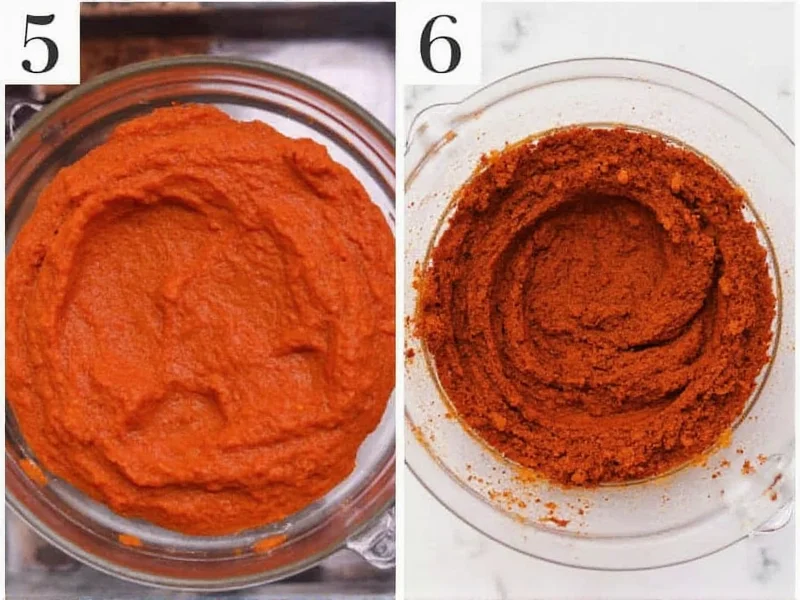
Understanding the distinction between achiote paste and powder is essential for authentic Latin American and Caribbean cooking. Both derive from annatto seeds (Bixa orellana), which provide that distinctive orange-red hue to dishes like cochinita pibil, rice, and stews. However, their preparation methods and culinary applications differ significantly, affecting flavor profiles, color release, and recipe execution.
What Is Achiote?
Native to tropical regions of the Americas, annatto seeds have been used for centuries by indigenous cultures for both culinary and ceremonial purposes. The seeds contain bixin, a natural pigment responsible for the vibrant color, along with subtle peppery, earthy notes. When processed into paste or powder, these seeds become indispensable in traditional recipes across Mexico, Central America, and the Caribbean.
Historical Evolution of Achiote Processing
Annatto's culinary application has evolved through distinct historical phases. Indigenous Mesoamerican cultures (notably Maya and Aztec civilizations) initially used whole seeds for body paint and ceremonial decoration, with limited food applications documented in 16th-century Spanish colonial records. By the 18th century, Caribbean and Yucatecan cooks developed seasoned pastes (recados) blending annatto with Old World-introduced spices like cumin and oregano. Commercial production of pure annatto powder emerged in the 1950s as food manufacturers sought standardized natural colorants, while traditional paste production remained largely artisanal until recent specialty food industry growth. This dual-form availability reflects both cultural preservation and industrial adaptation of ancestral knowledge.
According to ethnobotanical research by the Smithsonian National Museum of Natural History, "the transition from ceremonial body paint to culinary staple represents one of the most enduring indigenous-to-global food technology transfers in the Americas" (Smithsonian, 2022).
Achiote Paste: Composition and Characteristics
Achiote paste represents a seasoned preparation where ground annatto seeds blend with complementary ingredients. Traditional formulations typically include:
- Annatto seeds (primary coloring agent)
- Garlic and onion (aromatic base)
- Vinegar or citrus juice (acid for color extraction)
- Oregano, cumin, or other spices (flavor complexity)
- Oil or lard (fat for emulsification)
This combination creates a ready-to-use product that releases color immediately when added to recipes. The paste's liquid components activate the bixin pigment without additional preparation. Its flavor profile is more complex than powder alone due to the incorporated seasonings, making it ideal for traditional marinades like recado rojo.
Achiote Powder: Pure Annatto Essence
Achiote powder consists solely of finely ground annatto seeds with no additional ingredients. This pure form offers:
- Concentrated coloring power (more potent by volume)
- Milder inherent flavor compared to seasoned paste
- Requires liquid activation to release color effectively
- Longer shelf life due to absence of perishable ingredients
When using powder, cooks must combine it with oil, vinegar, or citrus juice to create a paste-like consistency before application. This extra step allows for precise control over flavor additions but requires more preparation time than ready-made paste.
Contextual Limitations and Application Boundaries
Each form has specific constraints affecting culinary success. Achiote paste performs poorly in alkaline environments (pH >8) where its vibrant color rapidly fades—making it unsuitable for recipes containing baking soda or certain dairy preparations. Powder requires precise liquid ratios: exceeding 1:3 powder-to-liquid ratio causes uneven dispersion, while insufficient fat content (<20%) yields weak color saturation. Both forms degrade above 180°F (82°C), limiting use in high-heat frying. Paste's vinegar content creates flavor conflicts in sweet applications like dulce de leche, whereas powder may impart gritty texture if not properly strained in liquid-based dishes.
Food science research from the University of California’s Department of Food Science confirms that "bixin pigment stability decreases by 40% in alkaline conditions compared to acidic environments" (UC Davis, 2023).
Key Differences Between Achiote Paste and Powder
| Characteristic | Achiote Paste | Achiote Powder |
|---|---|---|
| Composition | Annatto + spices + vinegar + oil | Pure ground annatto seeds |
| Color Release | Immediate (pre-activated) | Requires liquid activation |
| Flavor Profile | Complex, seasoned | Milder, earthy |
| Shelf Life | 3-6 months refrigerated | 1-2 years stored properly |
| Best Applications | Marinades, stews, ready-to-use | Precise color control, custom blends |
| Preparation Time | None required | Additional mixing needed |
When to Choose Paste Over Powder
Select achiote paste when you need convenience and authentic flavor profiles for traditional dishes. The paste works exceptionally well for:
- Marinating meats (especially pork and chicken)
- Preparing recado rojo for Yucatecan specialties
- Situations requiring immediate color release
- Recipes where consistent flavor balance matters
Cooks seeking authentic cochinita pibil will find paste indispensable, as its seasoned profile creates the characteristic flavor foundation. The paste's pre-mixed nature ensures consistent results without requiring additional ingredient balancing.
Advantages of Using Achiote Powder
Achiote powder shines when you need precise control over your recipe's elements. Consider powder when:
- You want to customize spice blends without competing flavors
- Creating subtle color variations in rice or sauces
- Storing coloring agent long-term without refrigeration
- Working with recipes specifying exact annatto measurements
Professional chefs often prefer powder for its versatility in creating signature blends. The powder's neutral base allows for tailored flavor combinations without pre-existing seasoning constraints.
Substitution Guidelines: Paste vs Powder
Understanding achiote paste substitute options ensures recipe success when your preferred form isn't available:
- Paste to powder conversion: 2 tablespoons paste ≈ 1 teaspoon powder + 1 tablespoon liquid
- Creating paste from powder: Mix 1 part powder with 2 parts oil/vinegar and desired seasonings
- Flavor adjustment: When substituting, compensate for missing spices in paste
Remember that direct substitutions rarely work perfectly due to the flavor complexity difference. When converting recipes, adjust additional seasonings to maintain balance. For example, replacing paste with powder requires adding complementary spices like garlic and cumin to achieve similar flavor depth.
Homemade Preparation Tips
Creating your own achiote products ensures freshness and customization:
Basic Achiote Paste Recipe
Combine in blender:
- 3 tablespoons annatto powder
- 4 cloves garlic
- 1 teaspoon each: oregano, cumin, salt
- ½ cup orange juice or vinegar
- ¼ cup oil
Blend until smooth, then store in airtight container.
Optimizing Powder Use
For best results with powder:
- Always mix with warm liquid to maximize color extraction
- Let mixture steep 15 minutes before straining for clear color
- Use oil-based activation for richer flavor in meat rubs
- Use citrus-based activation for brighter color in rice dishes
Storage Recommendations
Proper storage maintains quality for both forms:
- Paste: Refrigerate in airtight container (3-6 months) or freeze in ice cube trays for portioned use
- Powder: Store in cool, dark place in opaque container (12-24 months)
- Always label with preparation date
- Check for color fading or off odors before use
Freezing homemade paste in tablespoon portions allows convenient use without repeated refrigeration. Powder maintains quality longest when protected from light and moisture.
Final Considerations for Culinary Success
The choice between achiote paste vs powder ultimately depends on your specific culinary goals. Traditional recipes often specify one form for authentic results, while experimental cooking might benefit from powder's customization potential. Understanding the difference between achiote paste and powder helps maintain recipe integrity while allowing for informed substitutions when necessary. Whether preparing authentic Yucatecan cuisine or experimenting with color-infused dishes, selecting the appropriate form enhances both visual appeal and flavor complexity.




 浙公网安备
33010002000092号
浙公网安备
33010002000092号 浙B2-20120091-4