
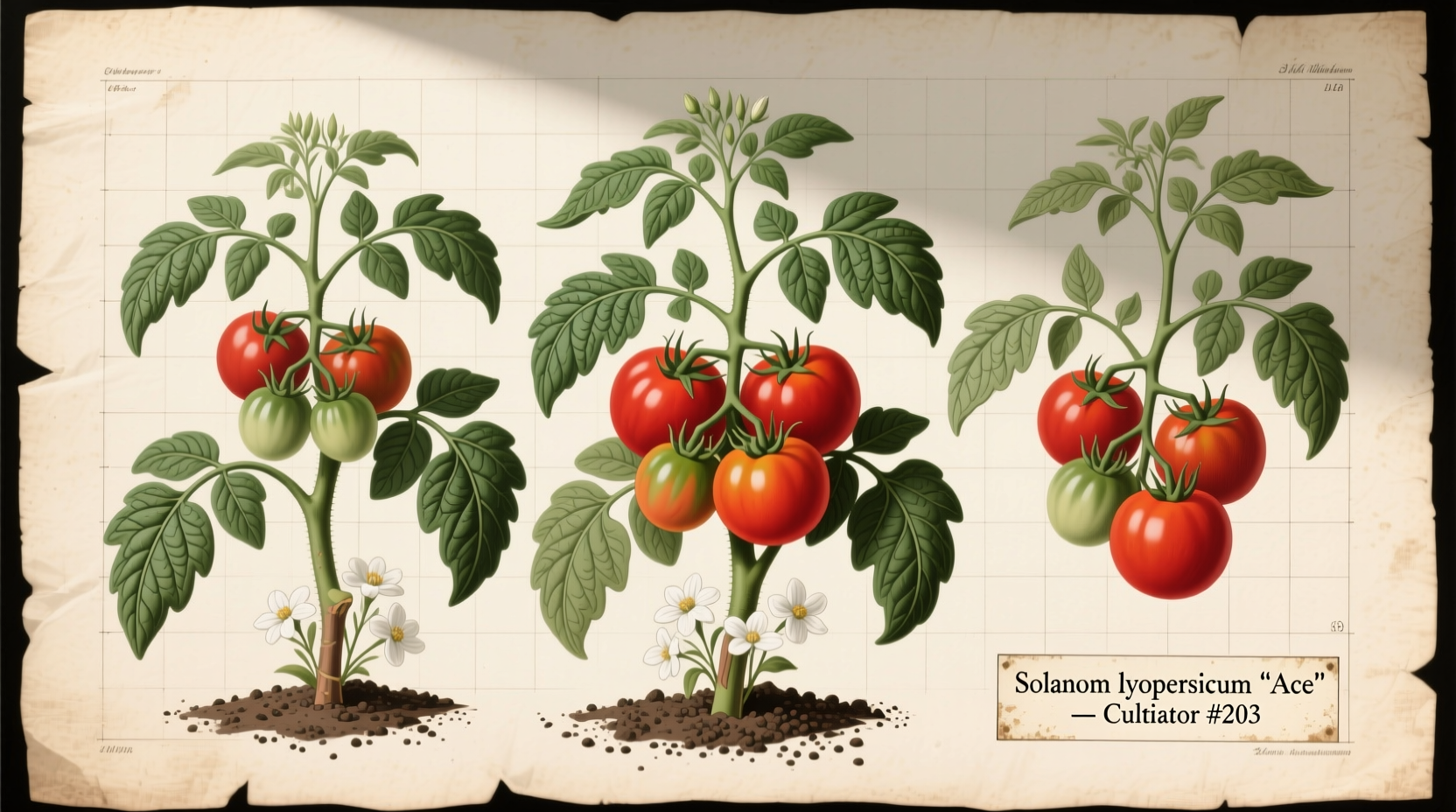
When you select Ace tomato plants for your garden, you're choosing a proven performer that delivers consistent results season after season. Unlike many modern hybrids that prioritize shelf life over flavor, Ace maintains the rich, complex taste gardeners expect from heirloom varieties while offering improved disease resistance that reduces crop failures. This balance makes it a top choice for both beginner and experienced gardeners seeking reliable harvests of delicious tomatoes.
Understanding Ace Tomato Plants: History and Characteristics
Developed by horticulturist Albert F. Yeager at the University of New Hampshire in the early 1950s, Ace 55 was introduced to home gardeners in 1954. The "55" refers to its approximate 55-day maturity from transplanting, though actual harvest time varies by growing conditions. According to historical records from the Rutgers New Jersey Agricultural Experiment Station, this variety was specifically bred to combine the superior flavor of heirlooms with improved resistance to common soil-borne diseases.
Ace tomatoes feature smooth, deep red skin with a classic beefsteak shape and typically weigh between 8-12 ounces. The plants produce medium-sized, regular-leaf foliage that provides adequate sun protection for developing fruit. Unlike many heirloom varieties, Ace maintains consistent fruit shape and size throughout the growing season.
| Characteristic | Ace 55 Tomato | Compared to Average Varieties |
|---|---|---|
| Maturity Time | 75 days from seed | 2-3 weeks earlier than most heirlooms |
| Growth Habit | Indeterminate | Continues producing until frost |
| Disease Resistance | Fusarium wilt (races 1-2), Verticillium wilt | Superior to most heirlooms |
| Fruit Weight | 8-12 ounces | Larger than standard slicers |
| Flavor Profile | Balanced sweet-acid with rich umami notes | More complex than commercial hybrids |
Planting Ace Tomatoes for Maximum Success
Timing your Ace tomato planting correctly determines your entire season's success. Start seeds indoors 6-8 weeks before your last expected frost date, using a quality seed starting mix. The University of Minnesota Extension recommends maintaining soil temperatures between 70-80°F (21-27°C) for optimal germination. Transplant seedlings outdoors when nighttime temperatures consistently stay above 55°F (13°C) and after hardening off for 7-10 days.
When selecting your garden location, choose a spot receiving at least 6-8 hours of direct sunlight daily. Ace tomatoes thrive in well-draining soil with a pH between 6.2-6.8. Before transplanting, amend your soil with 3-4 inches of compost and work it into the top 12 inches of soil. Plant Ace tomatoes deeper than they were growing in their containers—burying up to two-thirds of the stem encourages additional root development along the buried portion.
Care Requirements for Thriving Ace Plants
Proper watering makes the difference between average and exceptional Ace tomato harvests. Water deeply 1-2 times per week rather than frequent shallow watering, providing approximately 1-1.5 inches of water weekly. The Oregon State University Extension notes that inconsistent watering is the primary cause of blossom end rot and fruit cracking in tomatoes. Mulch around plants with 2-3 inches of straw or shredded leaves to maintain consistent soil moisture and reduce disease transmission from soil splashing.
Fertilize Ace tomatoes with a balanced organic fertilizer when transplanting, then switch to a low-nitrogen, high-phosphorus formula when flowering begins. Over-fertilizing with nitrogen promotes excessive foliage growth at the expense of fruit production. Prune indeterminate Ace plants by removing suckers that form in leaf axils, leaving 2-3 main stems for optimal air circulation and fruit production.
Managing Common Challenges with Ace Tomatoes
Ace's disease resistance makes it less prone to common tomato problems, but vigilance remains essential. Early blight appears as concentric rings on lower leaves—remove affected foliage immediately and apply organic fungicide if necessary. Blossom end rot, characterized by dark, sunken spots on fruit bottoms, indicates calcium deficiency often caused by inconsistent watering rather than actual soil calcium levels.
For pest management, hand-pick hornworms when spotted, and use floating row covers early in the season to prevent flea beetles. The Penn State Extension reports that companion planting with basil, marigolds, or nasturtiums significantly reduces pest pressure on tomato plants without chemical interventions.
Harvesting and Enjoying Your Ace Tomatoes
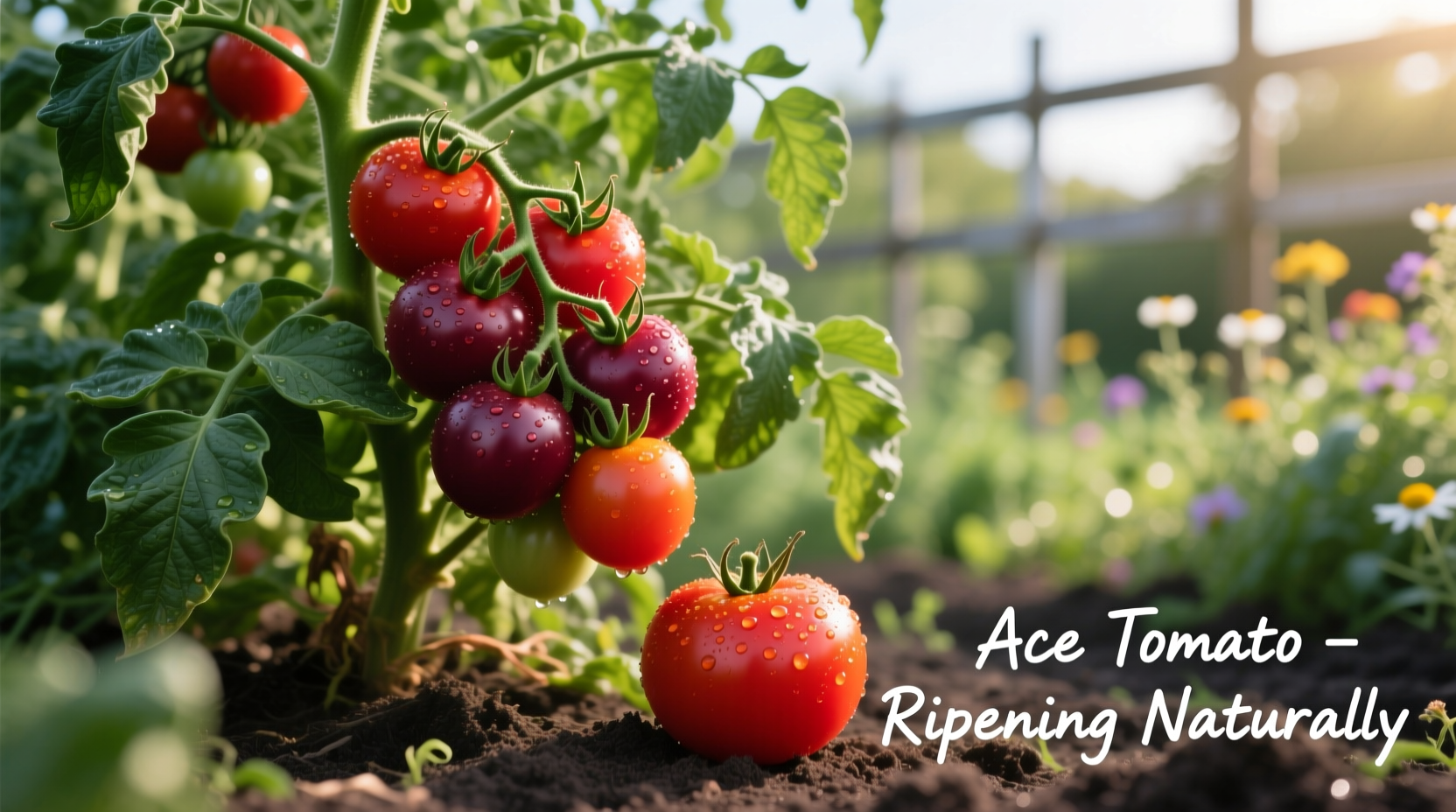
Harvest Ace tomatoes when they reach full color and yield slightly to gentle pressure. Unlike commercial varieties picked green for shipping, homegrown Ace tomatoes should ripen fully on the vine for maximum flavor development. The best time to pick is early morning when sugars are highest and temperatures are cool.
Store harvested tomatoes at room temperature away from direct sunlight—never refrigerate as cold temperatures destroy flavor compounds. For extended preservation, freeze whole tomatoes or process them into sauce. Ace's balanced acidity and rich flavor make it exceptional for fresh eating, sandwiches, and classic tomato salads with just salt and olive oil.
Frequently Asked Questions
How long does it take for Ace tomatoes to mature?
Ace tomatoes typically mature in 75 days from seed or approximately 55 days after transplanting. In warmer climates with longer growing seasons, you'll begin harvesting about 8-10 weeks after planting seedlings outdoors. The plants continue producing until the first frost, with peak production occurring during mid to late summer.
Are Ace tomatoes determinate or indeterminate?
Ace 55 is an indeterminate tomato variety, meaning the plants continue growing and producing fruit throughout the growing season until killed by frost. Indeterminate varieties like Ace require staking or caging for support and regular pruning to maintain productivity and prevent disease. They typically produce fruit over a longer period compared to determinate (bush) varieties.
What diseases are Ace tomatoes resistant to?
Ace tomatoes have demonstrated resistance to Fusarium wilt (races 1 and 2) and Verticillium wilt, two common soil-borne fungal diseases that affect tomato plants. This resistance makes Ace particularly valuable for gardeners with disease-prone soil. However, Ace remains susceptible to other common tomato issues like early blight, late blight, and tomato spotted wilt virus, so standard disease prevention practices remain important.
How much space do Ace tomato plants need?
Space Ace tomato plants 24-36 inches apart in rows 3-4 feet apart. As indeterminate plants, they require substantial room for their vining growth habit. When using cages, select models at least 5 feet tall and 18-24 inches in diameter. If staking, prune to 2-3 main stems and space plants 24 inches apart. Proper spacing ensures adequate air circulation, which reduces disease pressure and improves fruit quality.
Why are my Ace tomatoes cracking?
Tomato cracking in Ace varieties typically results from inconsistent watering practices. When plants experience drought followed by heavy watering or rain, the fruit expands rapidly, causing the skin to split. To prevent cracking, maintain consistent soil moisture through regular deep watering and mulching. Choosing varieties with thicker skin can also help, though Ace's relatively thin skin makes it somewhat more prone to cracking than some commercial hybrids.




 浙公网安备
33010002000092号
浙公网安备
33010002000092号 浙B2-20120091-4