
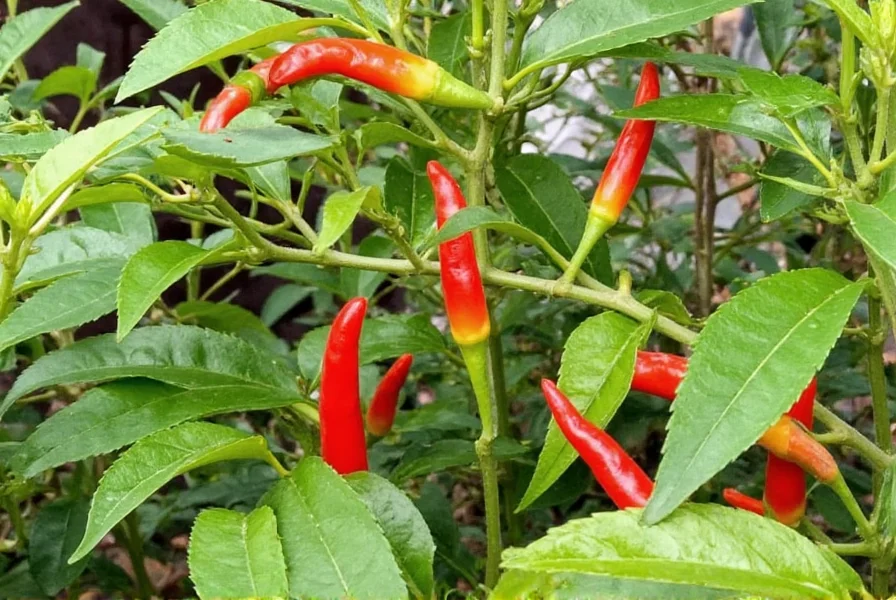
A Spicy Dive into California Chile: From Garden to Plate
Table of Contents
Introduction to California Chile
If you've ever taken a bite of a spicy dish that's both smoky and slightly sweet, there's a good chance you were enjoying the unique flavor of California Chile. This variety is not just another chili pepper; it's a staple in many kitchens across the Golden State and beyond. Known for its versatility, California Chile can be used in everything from salsas to stews, making it a favorite among both amateur cooks and professional chefs.
Originating from the southwestern United States, California Chile has found its way into the hearts of many. Its name might suggest it’s from California, but it actually has roots in the broader region of the American Southwest. However, it has become synonymous with the state due to its widespread cultivation and use in local cuisine. Whether you're looking to add some heat to your cooking or simply want to explore new flavors, California Chile is a great place to start.
Spice Profile and Flavor Notes
When it comes to spice levels, California Chile sits somewhere in the middle of the spectrum. It typically ranges from mild to medium, which makes it accessible for those who are new to spicier foods. But don't let the moderate heat fool you—this pepper has a complex flavor profile that adds depth to any dish.
One of the standout characteristics of California Chile is its smoky undertone. This is often due to the way the peppers are dried and prepared. The drying process enhances the natural sweetness of the pepper while adding a subtle smokiness that can elevate even the simplest of recipes. Additionally, the texture of the pepper when cooked is smooth and rich, making it ideal for sauces and purees.
To give you a better idea of what to expect, here's a quick comparison table of common chili peppers and their heat levels:
| Pepper | Heat Level (Scoville) | Flavor Profile |
|---|---|---|
| California Chile | 1,000 - 5,000 | Smoky, sweet, earthy |
| Jalapeño | 2,500 - 8,000 | Grassy, tangy, fresh |
| Serrano | 5,000 - 23,000 | Crunchy, sharp, slightly citrusy |
| Chipotle | 1,000 - 8,000 | Smoky, deep, slightly sweet |
As you can see, California Chile falls in the lower to mid-range of the heat scale, but it brings a unique flavor that sets it apart from other peppers. This makes it an excellent choice for those who want to experiment with different spices without overwhelming their palate.
How to Grow California Chile
Whether you're a seasoned gardener or a curious beginner, growing your own California Chile can be a rewarding experience. Not only does it allow you to have fresh peppers at your fingertips, but it also gives you the opportunity to control how they're grown and harvested.
California Chile thrives in warm climates and requires full sun exposure. If you're planting them in a garden, make sure the soil is well-draining and rich in organic matter. A pH level between 6.0 and 7.0 is ideal for optimal growth. You can start by sowing seeds indoors about 6 to 8 weeks before the last frost date in your area.
Once the seedlings have sprouted and developed a few true leaves, you can transplant them into the garden or larger pots. Be sure to space them at least 18 inches apart to allow for proper air circulation and growth. Water regularly, especially during dry spells, but avoid overwatering, as this can lead to root rot.
Harvesting is typically done when the peppers turn a bright red color and feel firm to the touch. They can be picked at any stage, depending on your preference. Younger green peppers are milder and crunchier, while fully ripe red ones have a more intense flavor and higher heat level.
Cooking with California Chile
Now that you know a bit about California Chile, it's time to explore how to use it in your cooking. One of the most popular ways to enjoy this pepper is in traditional Mexican dishes like enchiladas, tamales, and salsas. Its mild heat and smoky flavor make it a perfect complement to other ingredients without overpowering them.
If you're feeling adventurous, try incorporating California Chile into your own recipes. Here are a few practical tips to get started:
- Roast it: Roasting California Chile enhances its natural sweetness and smokiness. Simply place the peppers on a baking sheet and roast them in the oven until the skin starts to blister. Once cooled, peel off the skin and use the flesh in salsas, sauces, or soups.
- Make a paste: For a quick and easy sauce, blend roasted California Chile with garlic, olive oil, and a splash of vinegar. This versatile paste can be used as a base for marinades, dips, or even as a spread on bread.
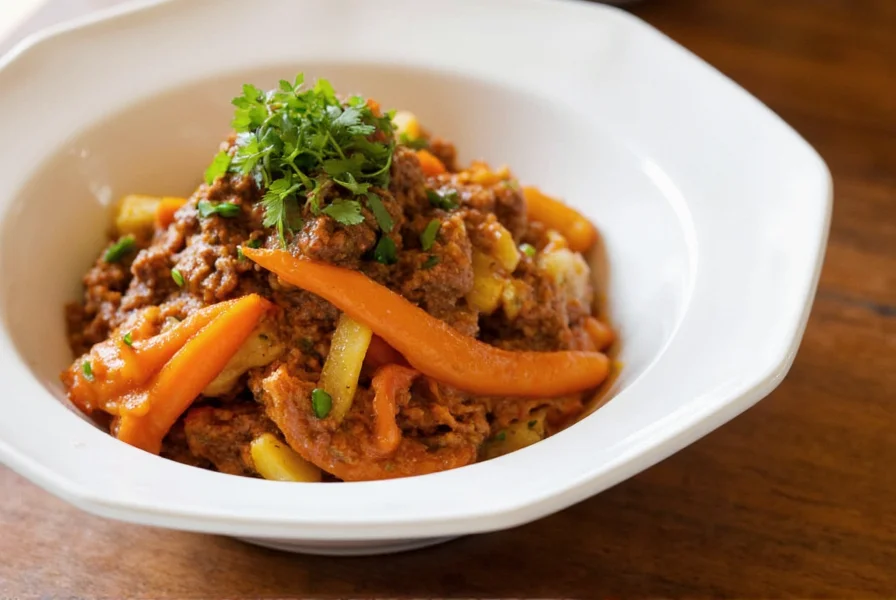
- Add it to stews: California Chile works well in slow-cooked dishes like chili or bean stews. Its mild heat adds depth without being too overwhelming.
Another fun way to use California Chile is in homemade hot sauces. These can be customized to your preferred level of heat and flavor. Experiment with adding other ingredients like lime juice, cumin, or honey to create your signature sauce.
For those who love international cuisines, California Chile can also be used in Asian-inspired dishes. Try adding it to stir-fries, noodle soups, or even as a topping for tacos. Its versatility means it can fit into almost any culinary tradition.
Buying Guide for California Chile
If you're not up for growing your own, you can easily find California Chile at local farmers' markets, specialty grocery stores, or online retailers. When shopping for California Chile, look for peppers that are firm, brightly colored, and free from blemishes. The appearance of the pepper can give you a good indication of its quality and freshness.
There are several types of California Chile available, each with its own unique characteristics:
- Dried California Chile: Often used in Mexican and Southwestern cooking, dried California Chile is great for making sauces, stews, and seasonings. It has a more intense flavor and longer shelf life compared to fresh peppers.
- Fresh California Chile: Ideal for roasting, grilling, or using in raw dishes like salsas and salads. Fresh peppers offer a brighter, more vibrant flavor and are perfect for those who prefer a milder heat.
- Ground California Chile: A convenient option for those who want to add the flavor of California Chile to their dishes without the hassle of preparing whole peppers. It's commonly used in spice blends and seasoning mixes.
Here’s a brief overview of some popular products featuring California Chile:
| Product | Features | Use Cases | Target Audience | Suitable Occasions |
|---|---|---|---|---|
| California Chile Paste | Smooth, ready-to-use paste made from roasted California Chile | Marinades, sauces, dips | Cooking enthusiasts, home chefs | Weekend cooking, dinner parties |
| Dried California Chile | Whole dried peppers with a smoky, sweet flavor | Stews, soups, spice blends | Traditional cooks, spice lovers | Family dinners, holiday meals |
| California Chile Powder | Finely ground powder with a balanced heat level | Seasoning, rubs, baked goods | Chefs, bakers, foodies | Barbecues, snack preparation |
When choosing a product, consider your specific needs and how you plan to use it. Whether you're looking for convenience or authenticity, there's a California Chile product that will suit your preferences.
Conclusion
In conclusion, California Chile is a fascinating and flavorful pepper that offers something for everyone. From its smoky and sweet taste to its versatility in the kitchen, it's no wonder this pepper has become a staple in many homes. Whether you're growing your own, experimenting with new recipes, or simply looking to expand your spice collection, California Chile is a must-have ingredient.
The next time you're looking to add a little heat and depth to your cooking, consider reaching for a California Chile. With its gentle warmth and rich flavor, it's a great way to bring a touch of the West Coast into your kitchen. And remember, the best part of cooking with California Chile is that it allows you to express your creativity and share your passion for food with others.
So why wait? Start exploring the world of California Chile today and discover the endless possibilities it offers. Whether you're a seasoned chef or a curious beginner, there's always something new to learn and enjoy with this incredible pepper.




 浙公网安备
33010002000092号
浙公网安备
33010002000092号 浙B2-20120091-4