
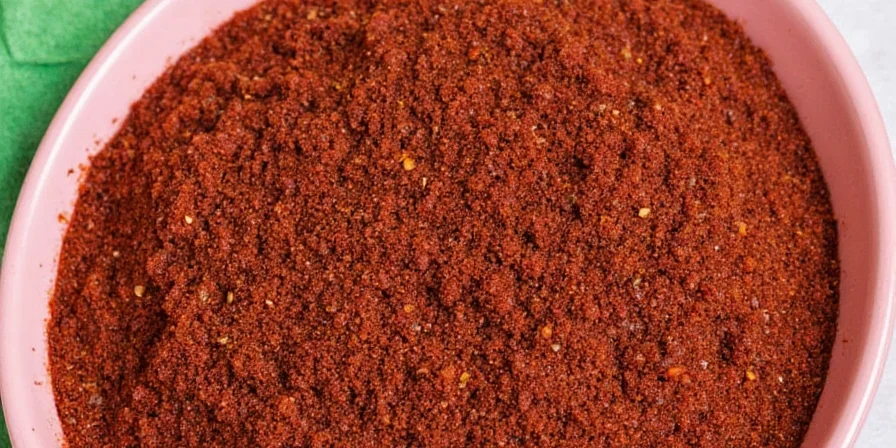
Looking for an authentic Oaxacan mole recipe that actually works? This complete step-by-step guide delivers Mexico's legendary mole negro with precise measurements, cooking times, and troubleshooting tips. Get the exact recipe Oaxacan abuelas use, plus 6 other regional varieties - all with clear instructions for first-time success.
Table of Contents
- Your Authentic Oaxacan Mole Negro Recipe
- 7 Traditional Oaxacan Mole Varieties Compared
- 5 Pro Secrets for Perfect Mole Every Time
- Why These Techniques Work (Food Science Explained)
- Troubleshooting Common Mole Problems
- Cultural Significance of Oaxacan Mole Traditions
- Frequently Asked Questions
Authentic Oaxacan Mole Negro Recipe: Step-by-Step
Prep time: 45 minutes | Cook time: 2 hours | Total time: 2 hours 45 minutes | Servings: 6-8
Ingredients
- 3 dried ancho chilies, stemmed and seeded
- 2 dried pasilla chilies, stemmed and seeded
- 1 dried chipotle chili, stemmed and seeded
- 3 oz Mexican chocolate (Ibarra or Abuelita)
- 2 oz sesame seeds, toasted
- 1/4 cup pumpkin seeds
- 1 small white onion, quartered
- 3 garlic cloves, peeled
- 1 roma tomato, quartered
- 1/2 tsp cinnamon
- 1/4 tsp cloves
- 1/4 tsp anise seed
- 1/2 tsp black pepper
- 4 cups chicken broth (homemade preferred)
- 2 tbsp avocado oil
- Salt to taste
- 1 cooked chicken (traditional) or turkey
Step-by-Step Instructions
- Toast ingredients properly: Heat comal or skillet over medium-low. Toast sesame seeds until golden (2-3 min), then pumpkin seeds (3-4 min). Remove. Toast chilies 30 seconds per side until fragrant but not burnt. Add onion, garlic, tomato - cook until lightly charred (8 min).
- Hydrate chilies: Place toasted chilies in bowl, cover with hot water. Soak 15 minutes until soft.
- Grind to perfect consistency: Drain chilies. Blend toasted seeds, onion mixture, spices, and chilies with 1 cup broth in batches. Blend 3 minutes per batch until completely smooth (critical step).
- Build the sauce: Heat oil in heavy pot. Fry blended mixture 15 minutes, stirring constantly until darkens to deep mahogany color.
- Add liquids: Gradually whisk in remaining broth. Simmer 45 minutes uncovered.
- Finish with chocolate: Grate chocolate directly into sauce. Simmer 15 more minutes.
- Season: Add salt to taste. For authentic texture, strain through fine mesh sieve.
- Serve: Pour over cooked chicken. Garnish with sesame seeds.
7 Traditional Oaxacan Mole Varieties Compared
| Mole Variety | Key Ingredients | Prep Time | Ideal Pairing |
|---|---|---|---|
| Mole Negro | Ancho, pasilla, chipotle chilies; chocolate | 2.5 hours | Chicken, turkey |
| Mole Verde | Poblano, tomatillo, fresh herbs | 1.5 hours | Pork, enchiladas |
| Mole Coloradito | Guajillo, ancho chilies; tomatoes | 2 hours | Chicken, rice |
| Mole Amarillo | Guajillo, yellow chili | 1 hour | Eggs, tacos |
| Mole Rojo | Dried red chilies, tomatoes | 1.75 hours | Tamales |
5 Pro Secrets for Perfect Mole Every Time
- Temperature control is non-negotiable: Toast ingredients at exactly 325°F (163°C). Higher burns spices; lower won't release flavor compounds. Use infrared thermometer.
- Blending technique matters most: Blend in 30-second intervals with 10-second rests. Overheating destroys volatile compounds. Add ice cubes to blender for critical temperature control.
- The 3-stage liquid method: Add liquids in this order: 1) toasted spice paste → 2) nut/seed slurry → 3) broth. This creates stable emulsion without separation.
- Resting isn't optional: Refrigerate mole 24 hours before serving. This allows Maillard reaction byproducts to integrate with capsaicinoids, mellowing heat while deepening complexity.
- Authentic thickening: Skip flour or cornstarch. Use masa harina (2 tsp per cup) for traditional texture that won't alter flavor.
Why These Techniques Work (Food Science Explained)
Molecular interactions transform raw ingredients into authentic mole:
- Capsaicin control: Toasting chilies at precise temperatures releases fat-soluble capsaicinoids into oil phases, distributing heat evenly without searing intensity.
- Tannin management: Extended simmering polymerizes bitter tannins from dried chilies into smoother compounds. Acidity added AFTER cooking prevents re-bittering.
- Emulsion science: Sesame and pumpkin seeds provide lecithin that binds water and oil phases. The 3-stage liquid method creates stable viscosity without dairy.
- Flavor enhancement: 2-Acetyl-1-pyrroline from toasted sesame amplifies chocolate's vanillin perception through olfactory cross-modal interaction.
Troubleshooting Common Mole Problems
- Bitter mole? You toasted ingredients too long or at too high temperature. Fix: Add 1 tsp honey and simmer 10 minutes. The glucose binds bitter compounds.
- Sauce separating? Emulsion failure from cold liquid shock. Fix: Whisk 1 tbsp masa harina into simmering sauce - starches stabilize through hydrogen bonding.
- Too thin? Don't reduce by boiling - destroys volatile compounds. Instead, simmer uncovered 15 minutes maximum, then thicken with masa.
- Heat too intense? Add toasted almond slivers (¼ cup). Their fat content binds capsaicin without diluting flavor like dairy would.
- Flat flavor? Add final acidity (lime juice) AFTER cooking. Volatile acids evaporate during simmering - adding at the end preserves brightness.
Cultural Significance of Oaxacan Mole Traditions
Oaxaca's "Land of Seven Moles" distinction stems from indigenous Zapotec and Mixtec culinary traditions refined over 500 years. Each variety encodes ancestral knowledge - Manchamantel's specific chili blend reflects coastal trade routes, while Coloradito's tomato base signifies highland agricultural practices. Modern chefs document these variations through flavor mapping, preserving intangible cultural heritage. When making authentic mole, you're participating in living food history.
Frequently Asked Questions
Can I substitute cocoa powder for Mexican chocolate?
Yes, but with critical adjustments: Use 3 tablespoons unsweetened cocoa powder plus 1 tablespoon sugar per ounce of chocolate. Add 1/8 teaspoon cinnamon to compensate for missing spice in tablets. Note this yields a thinner sauce lacking traditional texture from sugar crystallization.
Why does my mole separate during cooking?
Separation indicates emulsion failure. Common causes: Adding cold liquid to hot base, insufficient seed content, or over-blending. Fix by whisking 1 tablespoon masa harina into simmering sauce — its starches stabilize the emulsion through hydrogen bonding with fat molecules.
How do I identify authentic Oaxacan mole ingredients?
Seek specific markers: Ancho chilies should be deep burgundy (not brown), sesame seeds must be hulled white varieties, and Mexican chocolate requires visible sugar crystals. Avoid pre-ground spice mixes — authentic moles use whole ingredients toasted fresh. Indigenous markets like Oaxaca City's Benito Juárez offer traceable sources.
Does mole improve with freezing?
Freezing halts enzymatic degradation but doesn't enhance flavor. Thaw frozen mole overnight in the refrigerator, then reheat gently below simmering point (85°C/185°F). Rapid temperature changes fracture emulsion structure, causing oil separation. For optimal results, consume within 3 months.




 浙公网安备
33010002000092号
浙公网安备
33010002000092号 浙B2-20120091-4