
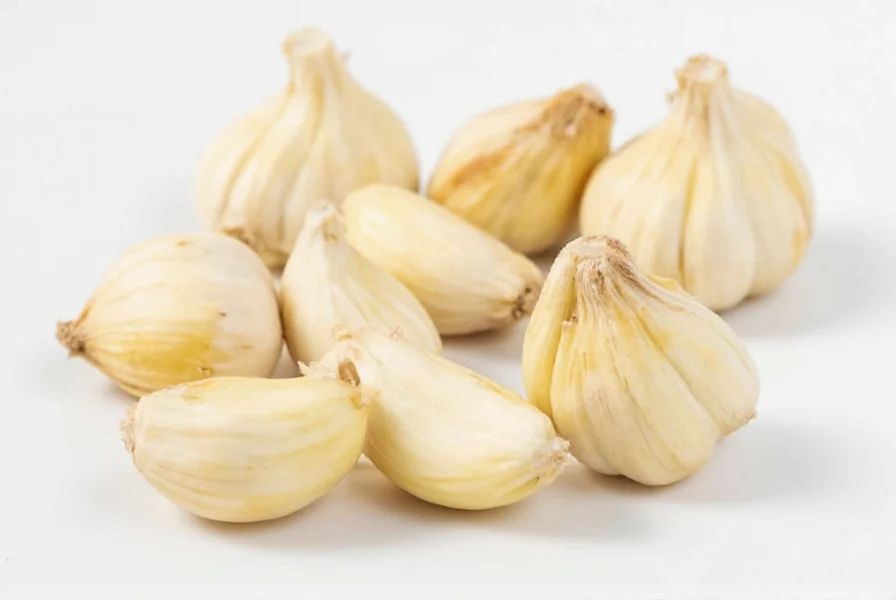
Understanding garlic measurements is essential for precise cooking and recipe execution. Many recipes call for specific garlic quantities without clarifying whether they mean whole cloves or measured minced garlic. Getting this conversion right can significantly impact your dish's flavor profile.
Garlic Measurement Fundamentals
Garlic clove sizes vary considerably, which affects conversion accuracy. Standard culinary references use medium-sized cloves as the baseline for measurement conversions. When recipes specify "cloves," they're referring to individual segments from a garlic bulb, not pre-minced product.
The standard conversion ratio is:
- 1 medium garlic clove = ½ to 1 teaspoon minced garlic
- 4 medium garlic cloves = 1 tablespoon minced garlic
- 12 medium garlic cloves = ¼ cup minced garlic
| Garlic Cloves | Minced Garlic Equivalent | Chopped Garlic Equivalent |
|---|---|---|
| 1 clove | ½-1 tsp | ¾-1½ tsp |
| 2 cloves | 1-2 tsp | 1½-3 tsp |
| 4 cloves | 1 tbsp | 1½ tbsp |
| 6 cloves | 1½ tbsp | 2¼ tbsp |
| 8 cloves | 2 tbsp (⅛ cup) | 3 tbsp |
Factors Affecting Garlic Measurement Accuracy
Several variables influence the precision of your garlic conversions:
Clove Size Variations
Garlic cloves range from small (¼" diameter) to jumbo (1"+ diameter). Small cloves yield about ¼ teaspoon minced, while extra-large cloves can produce up to 1½ teaspoons. When a recipe specifies "medium" cloves, aim for those roughly ¾" in diameter.
Preparation Method
Your technique significantly impacts volume:
- Mincing: Creates the most compact measurement (4 cloves = 1 tbsp)
- Chopping: Yields about 50% more volume due to larger pieces
- Pressing: Produces slightly less volume than mincing but more intense flavor
Moisture Content
Freshness affects density. Newly harvested garlic contains more moisture and yields slightly more volume than cured garlic. For critical recipes, consider patting minced garlic dry with a paper towel before measuring.
Practical Application in Cooking
Understanding how many tablespoons is 4 garlic cloves helps maintain recipe balance. Excessive garlic can overpower dishes, while too little leaves them lacking depth. When converting recipes:
- For delicate dishes like fish or cream sauces, use the lower end of the conversion range (4 cloves = ¾ tbsp)
- For robust preparations like tomato sauces or meat marinades, use the higher end (4 cloves = 1¼ tbsp)
- When substituting jarred minced garlic, remember it's typically more concentrated—use 20% less than fresh
Professional chefs often recommend tasting as you go when working with garlic. The garlic clove to tablespoon conversion provides a starting point, but final adjustments should reflect your specific ingredients and preferences.
When Precision Matters Most
Certain culinary applications demand exact garlic measurements:
- Preserving: Incorrect garlic ratios in pickling or canning can affect safety
- Vinaigrettes: Garlic concentration impacts emulsion stability
- Garlic-infused oils: Precise ratios prevent potential botulism risks
- Baking: Savory breads and biscuits require accurate measurements
For these applications, weighing garlic provides the most consistent results. Four medium cloves typically weigh 10-12 grams, yielding approximately 15ml (1 tablespoon) of minced product.
Common Measurement Mistakes to Avoid
Cooks frequently make these errors when converting 4 cloves garlic equals how many tablespoons:
- Counting entire heads instead of individual cloves
- Not accounting for varying clove sizes within a single bulb
- Measuring before proper mincing (larger pieces create air pockets)
- Using volume measurements for critical preservation recipes
For consistent results in important recipes, consider investing in a small kitchen scale. Digital scales measuring in 1-gram increments provide the accuracy needed for professional-quality results.
How much jarred minced garlic equals 4 fresh cloves?
Three and a half teaspoons (1 tablespoon plus ½ teaspoon) of jarred minced garlic typically equals 4 fresh medium cloves. Jarred garlic is more concentrated, so use 20% less than fresh when substituting.
Does roasting garlic change the tablespoon conversion?
Yes, roasting reduces garlic volume by about 25% due to moisture loss. Four roasted medium cloves yield approximately ¾ tablespoon of pulp. For roasted garlic, measure after squeezing from the peel for accuracy.
Can I use garlic powder instead of fresh cloves?
Yes, but the conversion differs significantly. ¼ teaspoon garlic powder equals one fresh medium clove. Therefore, 4 cloves would substitute to 1 teaspoon garlic powder. Remember that powder provides more consistent flavor but lacks the aromatic complexity of fresh garlic.
Why do some recipes specify both cloves and measurements?
Recipes that specify both (e.g., "4 cloves (1 tablespoon) minced garlic") account for size variations. This dual specification helps cooks adjust based on their actual garlic size and preparation method, ensuring consistent flavor results regardless of clove dimensions.
Final Measurement Tips
Mastering the garlic measurement equivalents for your kitchen takes practice. Keep a conversion chart visible while cooking until the ratios become second nature. Remember that personal taste preferences should ultimately guide your garlic usage—these measurements provide a reliable starting point that you can adjust to suit your palate.
When working with the 4 cloves garlic to tablespoon conversion, consider your dish's other ingredients. Bold flavors like smoked paprika or anchovies can handle more garlic, while delicate ingredients like fresh herbs or mild cheeses require more restraint. The perfect garlic measurement balances with your entire flavor profile.




 浙公网安备
33010002000092号
浙公网安备
33010002000092号 浙B2-20120091-4