
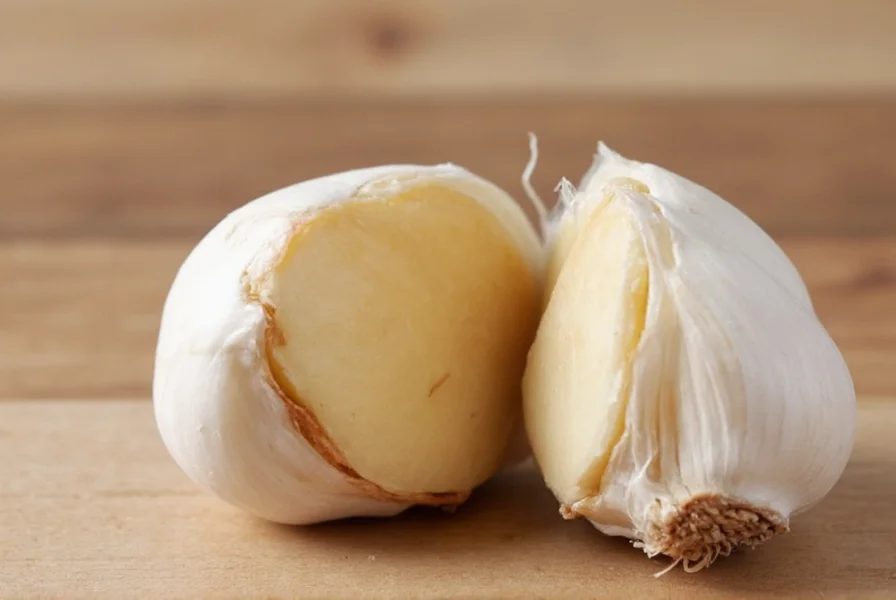
Converting garlic cloves to tablespoons is a common kitchen challenge, especially when recipes specify measurements you're not prepared for. Understanding this conversion helps ensure your dishes have the perfect garlic flavor without overpowering them.
Understanding Garlic Measurements
Garlic measurements can be confusing because they depend on multiple factors including clove size, preparation method, and personal preference. When converting 4 cloves of garlic to tablespoons, it's essential to consider these variables for accurate results in your cooking.
Factors Affecting Garlic Conversion
The exact tablespoon equivalent of 4 garlic cloves varies based on several key factors:
- Clove size: Garlic cloves range from small (¼ inch diameter) to extra large (1 inch+)
- Preparation method: Minced, pressed, or crushed garlic yields different volumes
- Packing density: How tightly you pack the measuring spoon affects the final amount
- Moisture content: Freshness impacts the volume of minced garlic
| Garlic Measurement | Equivalent in Tablespoons | Equivalent in Teaspoons |
|---|---|---|
| 1 small garlic clove | ⅛ tbsp | ¼ tsp |
| 1 medium garlic clove | ¼ tbsp | ½ tsp |
| 1 large garlic clove | ⅓ tbsp | 1 tsp |
| 4 small garlic cloves | ½ tbsp | 1½ tsp |
| 4 medium garlic cloves | ⅔ tbsp | 2 tsp |
| 4 large garlic cloves | 1⅓ tbsp | 4 tsp |
Practical Measurement Tips for 4 Cloves of Garlic
When converting how many tablespoons is 4 cloves of garlic, follow these practical kitchen tips:
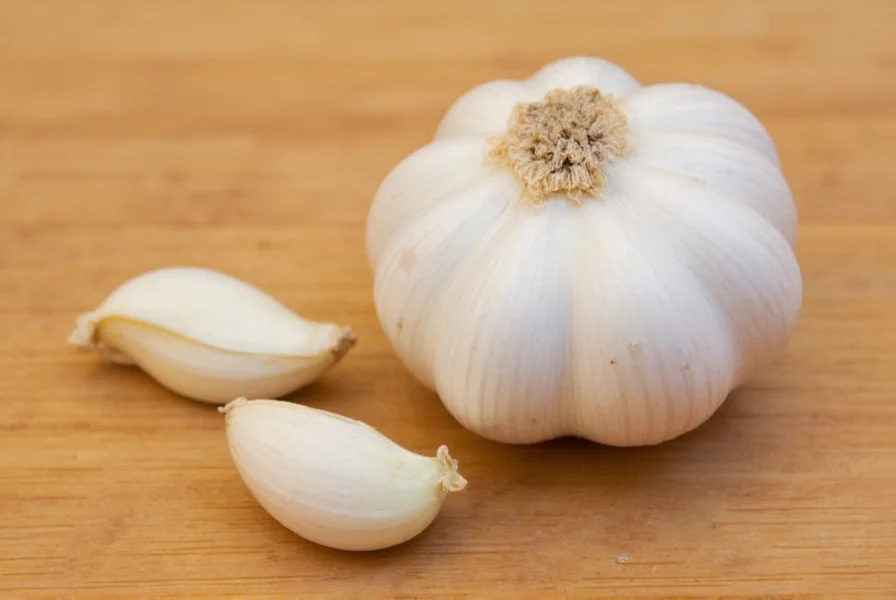
- Size assessment: Before mincing, compare your cloves to standard sizes. Medium cloves are about the size of a quarter.
- Minced consistency: For accurate measurements, mince garlic to a uniform, fine texture rather than roughly chopping.
- Leveling technique: When measuring minced garlic, level the tablespoon with a straight edge for precision.
- Adjust for taste: Remember that garlic intensity varies by variety and freshness, so adjust to your personal preference.
Why Garlic Conversion Matters in Cooking
Understanding the relationship between garlic cloves and tablespoons measurement significantly impacts your cooking results. Too little garlic might leave your dish lacking depth, while too much can overpower other flavors. This conversion becomes especially important when:
- Following recipes from different sources that use varying measurement systems
- Scaling recipes up or down for different serving sizes
- Substituting fresh garlic for pre-minced or powdered alternatives
- Adapting family recipes that specify "garlic to taste" without measurements
Common Garlic Substitutions
If you need alternatives to fresh garlic cloves, these substitutions work well in most recipes requiring 4 cloves of garlic equivalent in tablespoons:
- Pre-minced garlic in jars: 1:1 substitution (though flavor differs slightly)
- Garlic paste: ½ teaspoon per medium clove
- Garlic powder: ⅛ teaspoon per medium clove (use sparingly as it's more concentrated)
- Garlic salt: ¼ teaspoon per medium clove (reduce additional salt in recipe)
Professional Chef Tips for Garlic Measurement
Experienced cooks have developed reliable methods for estimating how much is 4 cloves of garlic in tablespoons without precise measuring:
- The knuckle method: One medium clove of minced garlic roughly equals the size of your fingertip (from first knuckle to tip)
- The visual comparison: Four medium cloves yield enough minced garlic to cover a US quarter coin when spread in a single layer
- The aroma test: As you add garlic to your dish, smell periodically—when the aroma becomes noticeable but not overwhelming, you've likely added enough
Storing Minced Garlic for Future Use
If you've minced more garlic than needed for your current recipe (perhaps while measuring 4 cloves of garlic in tablespoons), proper storage extends its usability:
- Refrigerate in an airtight container for up to 1 week
- Freeze in ice cube trays with olive oil for up to 6 months
- Add a pinch of salt to refrigerated minced garlic to preserve flavor
- Never store minced garlic in oil at room temperature due to botulism risk
Conclusion
Knowing that 4 cloves of garlic equals approximately 2/3 tablespoon of minced garlic provides a reliable starting point for your recipes. Remember to adjust based on garlic size, your personal taste preferences, and the specific dish you're preparing. With practice, estimating garlic measurements becomes intuitive, helping you create consistently delicious meals without constantly referring to conversion charts.




 浙公网安备
33010002000092号
浙公网安备
33010002000092号 浙B2-20120091-4