
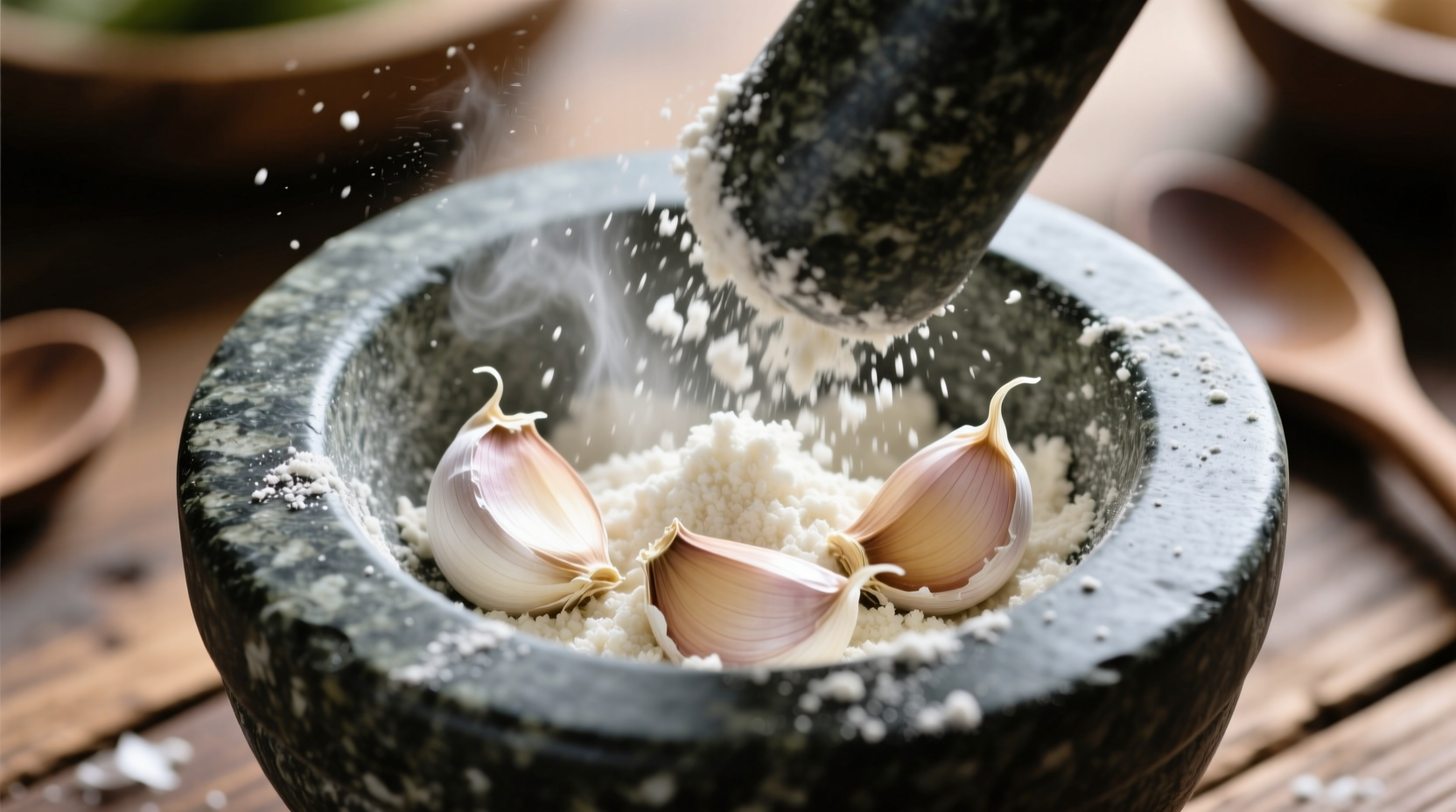
4 cloves of fresh garlic equals ½ teaspoon of garlic powder — this precise 8:1 ratio accounts for garlic powder's concentrated flavor and moisture loss during dehydration. Use this conversion for accurate recipe substitutions without overpowering your dishes.
When you're mid-recipe and realize you're out of fresh garlic, knowing the exact conversion to garlic powder becomes crucial. This guide delivers the precise measurements professional chefs use, plus essential context about flavor differences and substitution best practices that most online sources overlook.
Why Garlic Powder Isn't a 1:1 Substitute
Garlic undergoes significant chemical changes during dehydration. According to research published in the Journal of Food Science, the drying process concentrates allicin—garlic's primary flavor compound—by approximately 8 times while removing all moisture content. This explains why you need substantially less powder than fresh cloves.
"Many home cooks make the mistake of using equal volumes," explains Antonio Rodriguez, chef and spice specialist. "Fresh garlic contains 60-65% water that evaporates during drying, concentrating both flavor and pungency. Using too much powder creates an artificial, harsh taste that dominates rather than complements your dish."
| Fresh Garlic | Garlic Powder Equivalent | Best For |
|---|---|---|
| 1 clove | 1/8 tsp | Sauces, dressings |
| 2 cloves | 1/4 tsp | Roasted vegetables |
| 4 cloves | 1/2 tsp | Stews, soups, marinades |
| 6 cloves | 3/4 tsp | Meat rubs, spice blends |
When Substitution Works Best (and When It Doesn't)
Understanding the context boundaries of this substitution prevents recipe disasters. Garlic powder excels in dry rubs, spice blends, and long-cooked dishes where its concentrated flavor can mellow. However, it fails in applications requiring garlic's natural moisture and enzymatic reactions:
- Use powder for: Soups simmered 30+ minutes, dry spice rubs, salad dressings with oil base
- Avoid powder for: Raw applications (aioli, pesto), quick-cooked stir-fries, dishes where garlic should remain distinct
The USDA FoodData Central confirms significant nutritional differences: fresh garlic contains 2.9mg of allicin per clove versus 23.2mg per teaspoon of powder. This scientific data explains why the 8:1 ratio exists—it balances flavor intensity while preventing overpowering results.
Pro Tips for Perfect Substitution
Professional kitchens use these techniques to maximize garlic powder's potential when fresh isn't available:
- Rehydrate for sauces: Mix powder with 1 tsp water or broth per ½ tsp powder and let sit 5 minutes before adding to wet dishes
- Adjust for quality: Premium freeze-dried powders (like those from Spice House) require 10-15% less than standard supermarket brands
- Layer flavors: For recipes calling for 4+ cloves, use ¼ tsp powder plus 1 minced fresh clove for balanced depth
- Storage matters: Powder older than 6 months loses 40% potency—increase quantity slightly for older stock
When substituting in delicate dishes like fish or vegetable preparations, start with ⅛ tsp less than the standard conversion and adjust to taste. The Culinary Institute of America recommends this cautious approach to prevent overwhelming subtle flavors.
When Fresh Garlic Is Non-Negotiable
Some culinary applications simply won't work with powder. Understanding these scenario limitations saves failed recipes:
- Raw preparations: Aioli, salsa, or salad dressings where fresh garlic's enzymatic reaction creates complex flavors
- Quick-cooked dishes: Stir-fries or sautés where powder burns before flavor develops
- Texture-dependent recipes: Dishes where minced garlic provides textural contrast
"There's no substitute for fresh garlic's aromatic complexity in high-heat cooking," notes Rodriguez. "The Maillard reaction creates hundreds of flavor compounds that powder can't replicate. For searing meats or quick sautés, always use fresh."
Measuring with Precision
For the most accurate 4 cloves to powder conversion:
- Use a micro-measuring spoon (not your standard set)
- Sift powder to remove clumps before measuring
- Level with straight edge—don't tap the spoon
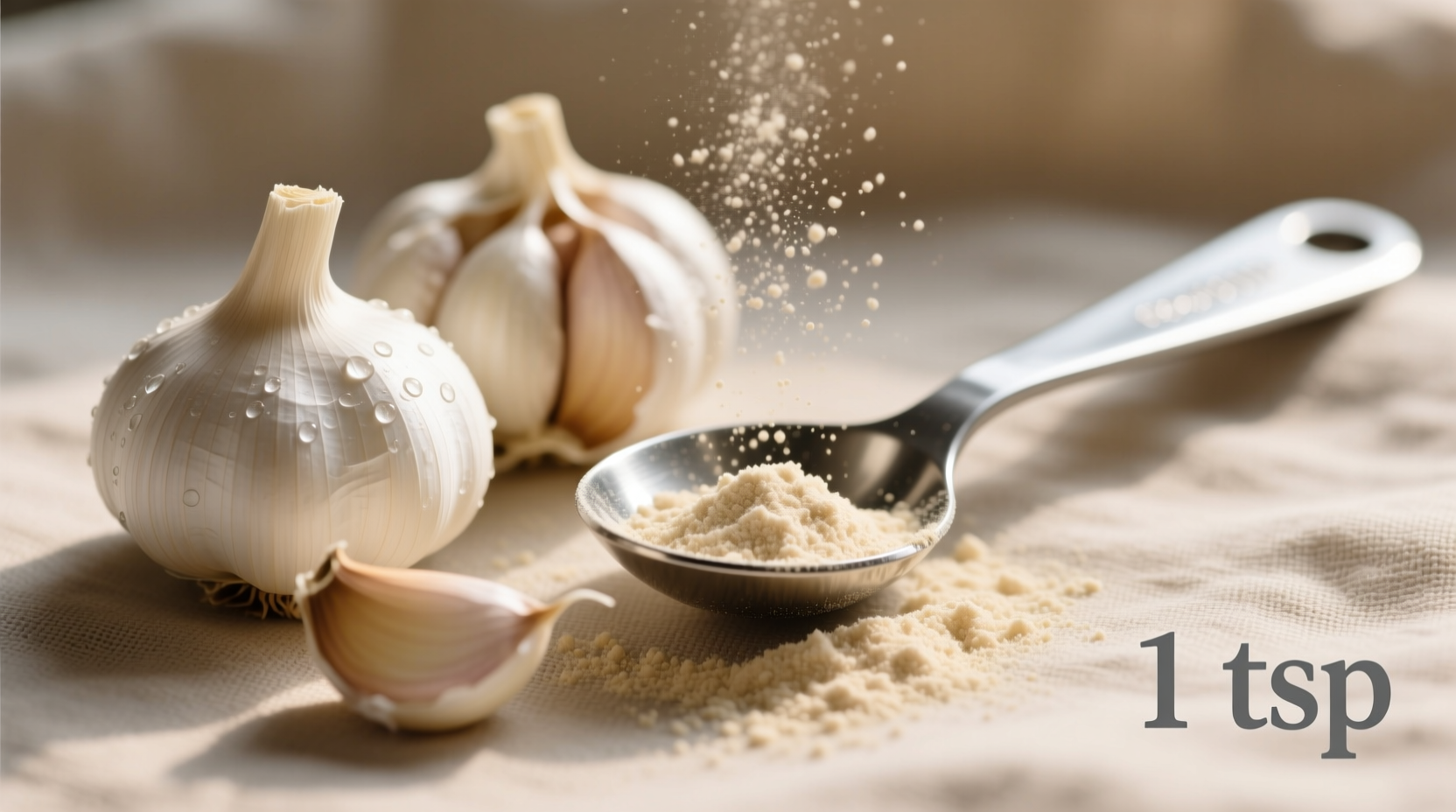
- For critical recipes, weigh powder (1/2 tsp = 1.2g)
Remember that garlic clove size varies significantly. Standard culinary measurements assume medium cloves (about 1 inch long). For jumbo cloves (common in grocery stores), reduce powder by 15%; for small cloves, increase by 10%.




 浙公网安备
33010002000092号
浙公网安备
33010002000092号 浙B2-20120091-4