
Understanding garlic conversions is essential for consistent cooking results. When a recipe calls for a specific number of cloves but you're working with pre-minced garlic (or vice versa), knowing the exact equivalent ensures your dish achieves the intended flavor profile without overpowering or under-seasoning.
Garlic Measurement Fundamentals
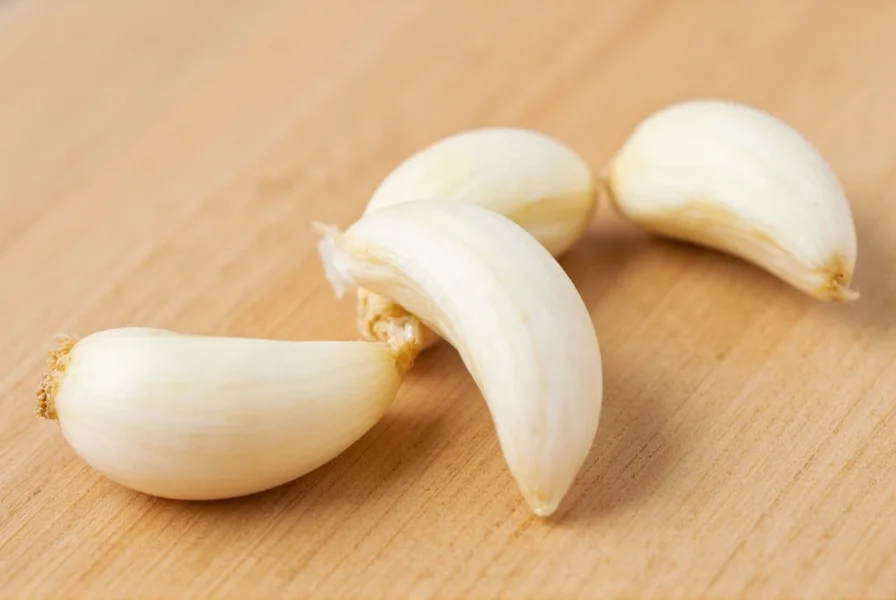
The conversion from whole cloves to minced garlic depends primarily on clove size. Most culinary professionals and recipe developers use medium-sized garlic cloves as the standard reference point. A single medium garlic clove yields about 1 teaspoon of minced garlic once peeled and finely chopped.
When mincing garlic, the technique affects the final volume. Properly minced garlic should be cut into very fine pieces, not pureed or crushed into a paste. Over-processing can release more oils and liquid, slightly increasing the volume while intensifying the flavor.
Practical Garlic Conversion Guide
For precise recipe execution, refer to this comprehensive conversion chart for common garlic preparations:
| Whole Cloves | Minced Garlic | Chopped Garlic | Garlic Powder |
|---|---|---|---|
| 1 clove | 1 teaspoon | 1½ teaspoons | ⅛ teaspoon |
| 2 cloves | 2 teaspoons | 1 tablespoon | ¼ teaspoon |
| 3 cloves | 1 tablespoon | 1½ tablespoons | ⅜ teaspoon |
| 4 cloves | 1 tablespoon + 1 teaspoon | 2 tablespoons | ½ teaspoon |
| 6 cloves | 2 tablespoons | 3 tablespoons | ¾ teaspoon |
Factors Affecting Garlic Measurements
Several variables influence the precise conversion from whole cloves to minced:
- Clove size: Grocery store garlic varies significantly. "Medium" cloves typically measure 1-1.25 inches long and ¾ inch in diameter
- Moisture content: Freshly harvested garlic contains more moisture than stored bulbs
- Mincing technique: Hand-minced versus food processor minced yields slightly different volumes
- Packing: How tightly minced garlic is packed into measuring spoons affects volume
For critical recipes like aioli or garlic-infused oils where precision matters, consider weighing your garlic. One medium clove weighs approximately 8-10 grams (0.3-0.35 ounces) with the peel, or 6-7 grams (0.2-0.25 ounces) peeled.
Recipe Substitution Guidance
When substituting between fresh and preserved garlic forms, remember these professional chef recommendations:
- For every 1 teaspoon minced fresh garlic, use ½ teaspoon garlic paste
- When using jarred minced garlic, reduce quantity by 25% as preservatives intensify flavor
- Garlic powder is significantly more concentrated—use only 1/8 the volume of fresh garlic
- Frozen garlic cubes typically contain 1 teaspoon per cube (equivalent to 1 clove)
Chef Elena Rodriguez of the Culinary Institute notes: "Understanding these conversions prevents the common mistake of over-garlicing dishes. Many home cooks don't realize that three cloves minced properly equals just one tablespoon—that's less than most people estimate."
Storage Impact on Measurements
Garlic's water content changes during storage, affecting volume measurements. Freshly harvested 'wet' garlic contains about 65% moisture, while cured storage garlic drops to 50-55% moisture. This means:
- Freshly harvested garlic yields slightly more volume when minced
- Stored garlic (2+ months) compacts slightly when minced
- Refrigerated garlic becomes denser, requiring minor measurement adjustments
For most home cooking applications, these differences are negligible. However, in precision baking or sauce-making where garlic plays a structural role, weighing provides the most consistent results.
When Precision Matters Most
While many recipes tolerate garlic approximation, certain dishes require exact measurements:
- Infused oils and vinegars (safety considerations with botulism risk)
- Pesto and other emulsified sauces
- Bread doughs where garlic affects yeast activity
- Candy and confectionery applications using garlic for flavor complexity
- Commercial food production following strict formulation guidelines
In these cases, professional kitchens often standardize by weight rather than volume. The industry standard is 5 grams of minced garlic per medium clove for consistent results across batches.
Common Measurement Mistakes to Avoid
Based on culinary testing data, these are the most frequent garlic measurement errors:
- Confusing chopped and minced volumes (chopped yields 50% more volume)
- Not accounting for garlic size variations between grocery stores
- Over-packing measuring spoons with minced garlic
- Using jarred garlic without adjusting for preservative concentration
- Ignoring how cooking method affects final flavor intensity
Remember that roasting garlic reduces its volume by approximately 30% while concentrating flavor, so adjust measurements accordingly when working with roasted cloves.




 浙公网安备
33010002000092号
浙公网安备
33010002000092号 浙B2-20120091-4