
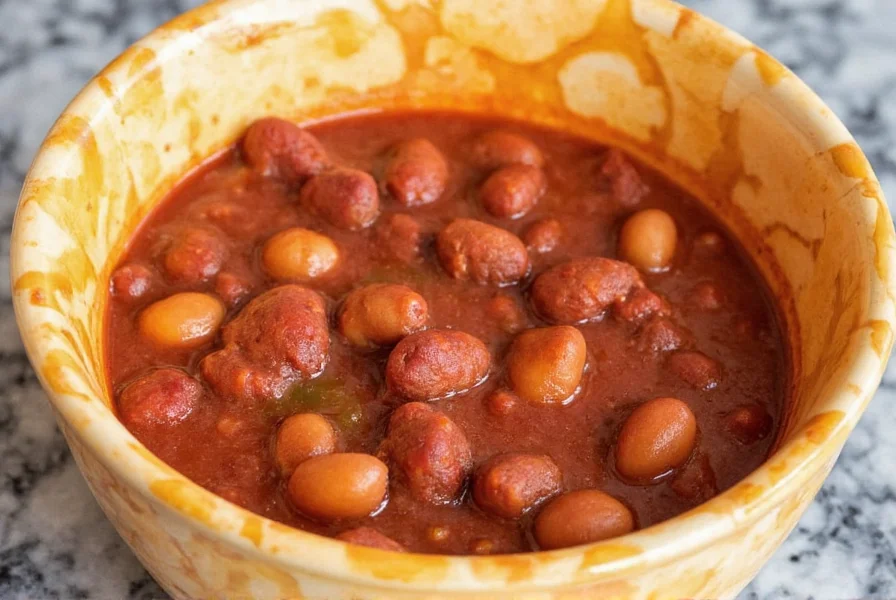
If you're searching for a satisfying, plant-based meal that's both nutritious and adaptable to various dietary needs, three bean chili stands out as an excellent choice. Unlike traditional meat-based chili, this version relies on the complementary textures and flavors of three different beans to create depth and complexity. The standard trio includes kidney beans for their robust texture, black beans for earthy notes, and either cannellini or pinto beans for creaminess.
The Evolution of 3-Bean Chili: Culinary Timeline
Understanding the historical context reveals why this dish resonates in modern kitchens. Three bean chili emerged from broader shifts in American dietary patterns, evolving from meat-centric traditions to plant-forward adaptations:
- Pre-1900s: Traditional Texas chili con carne developed as a strictly meat-and-chili-pepper stew. Beans were excluded by purists, as documented by the Texas State Historical Association.
- 1930s-1950s: Canned beans became widely available, leading to regional variations that incorporated beans—though often criticized by chili traditionalists.
- 1970s-1990s: Vegetarian movements spurred intentional bean-based recipes. Cookbooks like Mexican-American Vegetarian Cuisine (University of New Mexico Press) formalized the three-bean approach.
- 2000s-Present: Plant-based eating surged, with 3-bean chili becoming a meal-prep staple. The Plant Based Foods Association reported 27% growth in plant-based food sales in 2020 (source), reflecting its mainstream adoption.
This progression demonstrates how cultural shifts transformed a regional meat dish into an accessible, nutritionally optimized plant-based meal.
Essential Components of Authentic 3 Bean Chili
The magic of three bean chili lies in its balance of ingredients. While recipes vary by region and personal preference, certain elements remain consistent across successful preparations.
| Bean Type | Flavor Profile | Texture Characteristics | Substitution Options |
|---|---|---|---|
| Kidney Beans | Mild, slightly sweet | Firm, holds shape well | Red beans |
| Black Beans | Earthy, nutty | Slightly softer than kidney | None ideal—core flavor |
| Cannellini Beans | Creamy, mild | Smooth, melts into broth | Pinto beans |
Classic 3 Bean Chili Recipe
This straightforward preparation yields a rich, flavorful chili perfect for weeknight dinners or meal prep. The recipe serves 6 and takes approximately 45 minutes from start to finish.
Ingredients
- 2 tablespoons olive oil
- 1 large onion, diced
- 3 cloves garlic, minced
- 1 bell pepper, chopped
- 2 jalapeños, seeded and minced (adjust to taste)
- 28-ounce can crushed tomatoes
- 15-ounce can kidney beans, drained and rinsed
- 15-ounce can black beans, drained and rinsed
- 15-ounce can cannellini beans, drained and rinsed
- 2 cups vegetable broth
- 2 tablespoons chili powder
- 1 tablespoon cumin
- 1 teaspoon smoked paprika
- 1 teaspoon oregano
- Salt and pepper to taste
Step-by-Step Preparation
- Heat olive oil in a large pot over medium heat. Add onions and bell peppers, sautéing until softened (about 5 minutes).
- Add garlic and jalapeños, cooking for another minute until fragrant.
- Stir in chili powder, cumin, smoked paprika, and oregano, toasting the spices for 30 seconds.
- Pour in crushed tomatoes and vegetable broth, bringing the mixture to a gentle simmer.
- Add all three types of beans, stirring to combine.
- Reduce heat to low and let the chili simmer uncovered for 25-30 minutes, allowing flavors to meld.
- Season with salt and pepper to taste before serving.
Scenario Applicability & Key Limitations
Three bean chili excels in specific contexts but requires awareness of dietary boundaries for optimal use:
Ideal Applications
- Time-constrained meal prep: Ready in 45 minutes with minimal active cooking time
- Dietary inclusivity: Naturally vegan (with vegetable broth) and gluten-free
- Nutritional balancing: Provides 15g plant protein and 12g fiber per serving when paired with grains
Important Constraints
- Kidney health considerations: Individuals with chronic kidney disease should monitor portions due to potassium content. The National Kidney Foundation specifies beans require portion control in kidney-friendly diets (source).
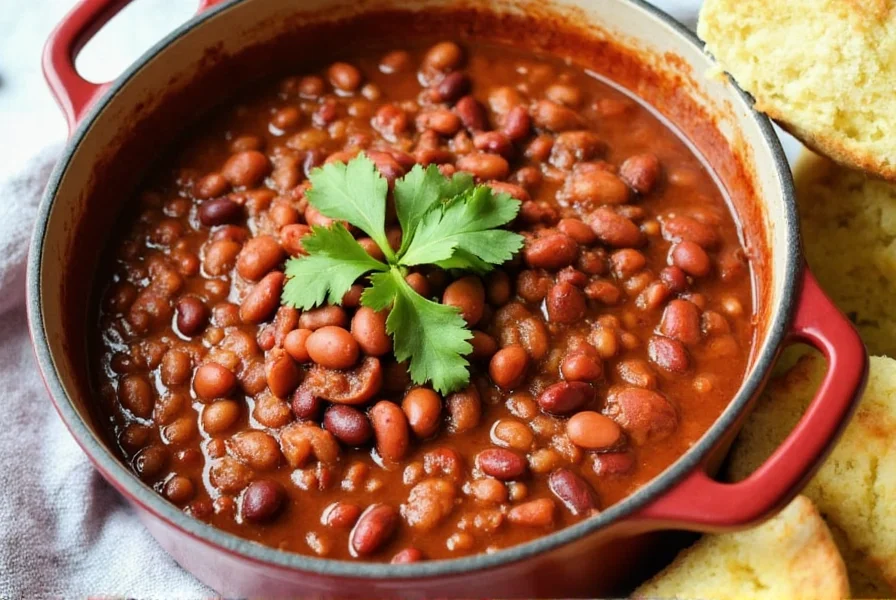
- Protein completeness: Beans lack methionine; pair with cornbread or rice to form a complete protein profile as recommended by the Academy of Nutrition and Dietetics (source).
- Digestive adaptation: New plant-based consumers may need gradual introduction to prevent bloating from high fiber content.
Variations for Different Dietary Preferences
One of the strengths of this recipe is its adaptability. Consider these modifications based on your dietary needs or available ingredients:
Slow Cooker Method
For hands-off preparation, combine all ingredients in a 6-quart slow cooker and cook on low for 6-8 hours. The extended cooking time allows flavors to develop more deeply while maintaining bean integrity.
Spice Level Adjustments
- Mild version: Omit jalapeños entirely and reduce chili powder to 1 tablespoon
- Medium heat: Use one seeded jalapeño as in the base recipe
- Extra spicy: Add chipotle peppers in adobo sauce and increase jalapeños
Nutritional Benefits of 3 Bean Chili
This vegetarian chili offers significant health advantages compared to meat-based versions. A typical serving (1.5 cups) provides:
- Approximately 280 calories
- 15 grams of plant-based protein
- 12 grams of dietary fiber (nearly half the daily recommended intake)
- Rich in folate, iron, and magnesium from the bean combination
- Naturally low in saturated fat
When served with cornbread or rice, the meal delivers all nine essential amino acids through protein complementarity. This synergy makes 3-bean chili particularly valuable for vegetarians and those reducing animal product consumption.
Pro Tips for Perfect 3 Bean Chili Every Time
Professional chefs and experienced home cooks agree on several techniques that elevate basic three bean chili from good to exceptional:
- Bean preparation: Always drain and rinse canned beans to remove excess sodium and the starchy liquid that can make chili cloudy
- Layering flavors: Sauté vegetables thoroughly before adding liquids to develop deeper flavor foundations
- Acidity balance: Add a splash of apple cider vinegar or lime juice at the end to brighten flavors
- Texture control: Mash a small portion of one bean variety to naturally thicken the chili without flour or cornstarch
- Resting time: Let chili sit for 15-20 minutes after cooking for flavors to fully integrate
Serving Suggestions and Storage
Three bean chili shines when paired with complementary sides that enhance its earthy flavors:
- Top with avocado slices, cilantro, and a dollop of Greek yogurt
- Serve alongside cornbread or whole-grain crackers
- Pair with a simple green salad for a complete meal
Store leftovers in an airtight container in the refrigerator for up to 5 days or freeze portions for up to 3 months. The flavors often improve after 24 hours as ingredients continue to meld.




 浙公网安备
33010002000092号
浙公网安备
33010002000092号 浙B2-20120091-4