
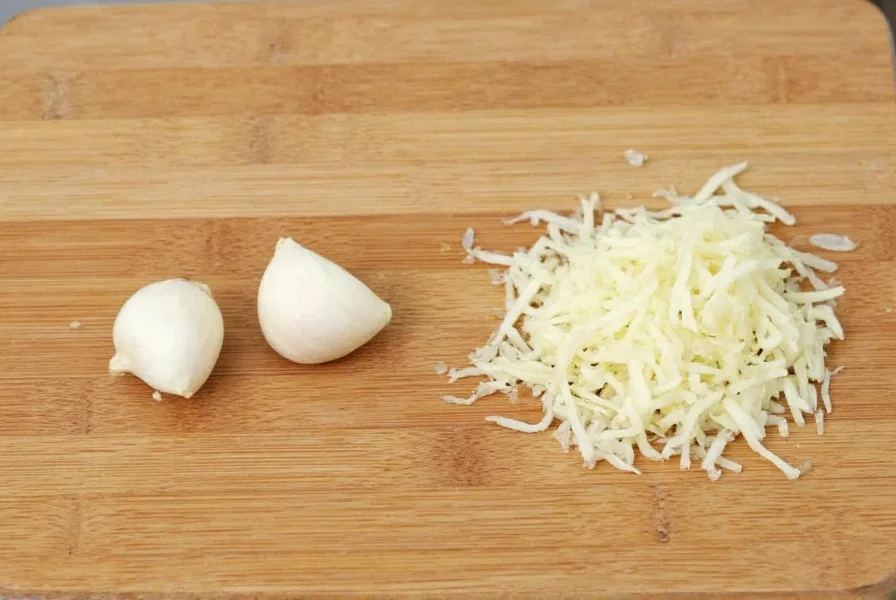
Understanding garlic measurements is essential for home cooks and professional chefs alike. Getting the garlic-to-minced conversion right can make the difference between a perfectly seasoned dish and an overpowering culinary disaster. This guide provides accurate measurements, practical tips, and valuable context for working with garlic in your kitchen.
Understanding Garlic Conversions
Garlic measurements matter because fresh garlic has varying potency based on preparation method. Whole cloves release flavor gradually when cooked, while minced garlic distributes flavor more intensely throughout a dish. The standard conversion for 2 garlic cloves equals how much minced garlic serves as a foundational measurement for recipe scaling.
Garlic size significantly affects measurements. Standard grocery store cloves typically yield:
| Whole Garlic | Minced Garlic | Garlic Puree |
|---|---|---|
| 1 small clove | 1/2 teaspoon | 1/4 teaspoon |
| 1 medium clove | 3/4 teaspoon | 1/3 teaspoon |
| 1 large clove | 1 teaspoon | 1/2 teaspoon |
| 2 medium cloves | 1 1/2 teaspoons | 2/3 teaspoon |
| 2 large cloves | 2 teaspoons | 1 teaspoon |
When following recipes that specify 2 garlic cloves equals how much minced garlic, remember that medium cloves represent the industry standard for measurement conversions. Most published recipes assume medium-sized cloves unless otherwise specified.
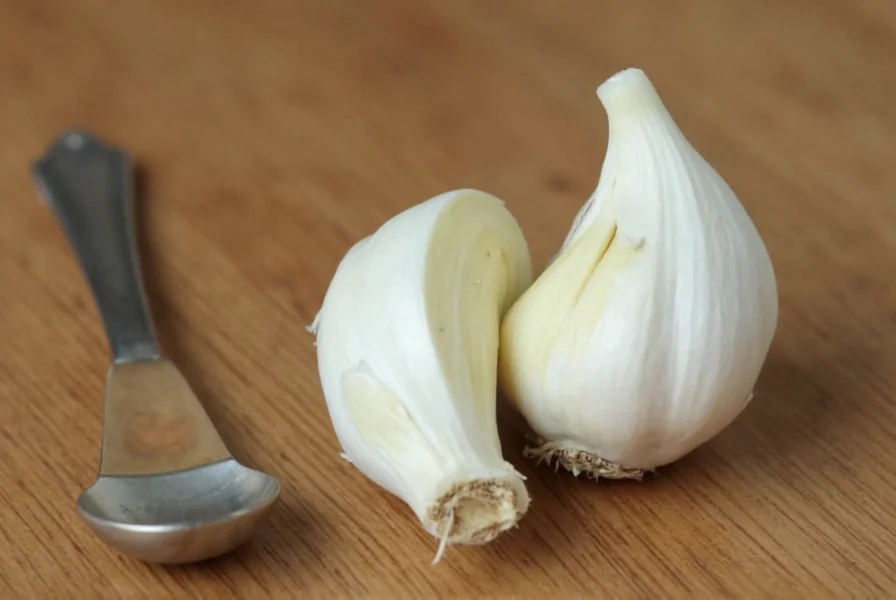
Factors Affecting Garlic Measurements
Several variables influence the garlic clove to minced garlic conversion accuracy:
Garlic Variety Differences
Solo garlic (single-clove varieties) packs more intense flavor in a smaller volume compared to standard multi-clove bulbs. Elephant garlic, despite its name, belongs to the leek family and has milder flavor—requiring nearly double the quantity to achieve similar flavor intensity.
Mincing Technique Impact
Your mincing method dramatically affects volume:
- Hand-minced garlic with a chef's knife yields slightly more volume than processor-minced
- Fine mince (almost paste-like) reduces volume by 15-20% compared to coarse mince
- Garlic pressed through a garlic press falls between minced and pureed in volume
Practical Kitchen Applications
When converting recipes that specify how much minced garlic equals 2 cloves, consider these professional kitchen tips:
Timing Matters
Add minced garlic later in the cooking process than whole cloves. Minced garlic burns faster—typically after 30-60 seconds in hot oil—so adjust your cooking sequence accordingly. For sautéing, add minced garlic after onions have softened but before adding liquids.
Flavor Intensity Adjustment
Fresh garlic measurements don't tell the whole story. Younger garlic (spring/summer harvest) has milder flavor, while cured garlic (fall/winter) delivers more intense heat. When working with 2 garlic cloves equals how much minced garlic conversions, adjust based on:
- Garlic age (new crop vs. stored)
- Dish cooking time (longer cooking mutes garlic flavor)
- Dish acidity (tomato-based dishes require slightly more garlic)
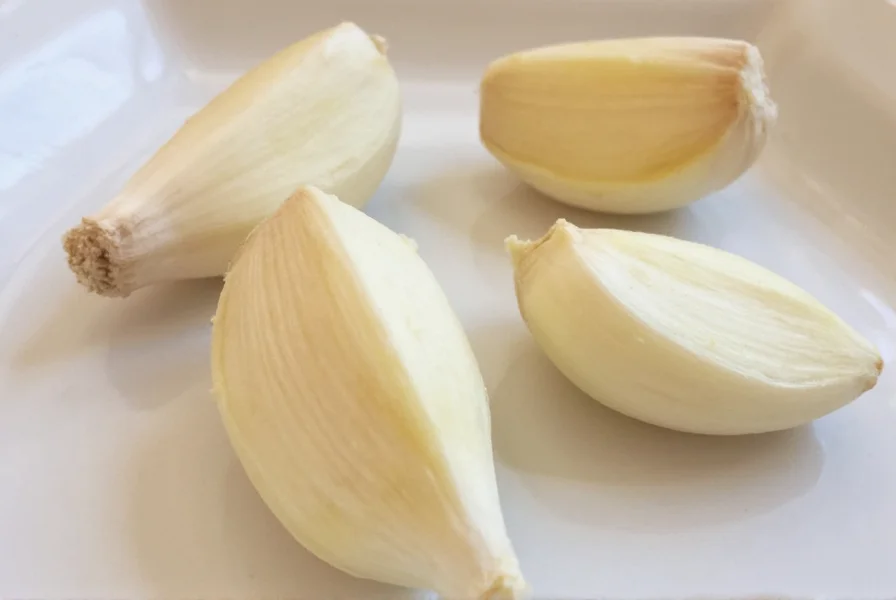
Substitution Guide for Minced Garlic
When you need to convert 2 garlic cloves equals how much minced garlic to other forms:
| Garlic Form | Equivalent to 2 Cloves | Flavor Notes |
|---|---|---|
| Fresh minced | 2 teaspoons | Bright, pungent, complex |
| Jarred minced | 1 1/2 teaspoons | Milder, slightly metallic |
| Garlic powder | 1/4 teaspoon | Concentrated, earthy |
| Garlic paste | 1 teaspoon | Intense, slightly sweet |
| Garlic salt | 1/2 teaspoon | Salty, less complex |
Remember that jarred minced garlic contains preservatives that alter flavor. When substituting jarred for fresh in the 2 garlic cloves equals how much minced garlic equation, reduce quantity by 25% to prevent overpowering your dish.
Storage Tips for Minced Garlic
Pre-minced garlic saves time but requires proper storage. When you've converted your 2 garlic cloves equals how much minced garlic and have leftovers:
- Store in airtight container with thin oil layer (prevents browning)
- Refrigerate for up to 5 days (longer storage develops bitter notes)
- Freeze in ice cube trays for longer storage (thaw before use)
- Avoid storing in metal containers (causes flavor deterioration)
For meal prep efficiency, many chefs convert larger quantities using the standard garlic measurement equivalents and freeze in portioned amounts. Two-clove portions (2 teaspoons minced) work perfectly for most single-recipe applications.
Frequently Asked Questions
How much minced garlic equals 2 large cloves?
Two large garlic cloves yield approximately 2 teaspoons of minced garlic. Large cloves typically measure 1 inch long by 3/4 inch in diameter at their widest point. When precision matters in recipes specifying 2 garlic cloves equals how much minced garlic, use this measurement for optimal results.
Can I substitute garlic powder for minced garlic in a 2:1 ratio?
No, garlic powder requires a much smaller substitution ratio. For recipes converting 2 garlic cloves equals how much minced garlic, use 1/4 teaspoon garlic powder instead of 2 teaspoons minced garlic. Garlic powder is significantly more concentrated—approximately 1 teaspoon garlic powder equals 8 cloves of fresh garlic.
Why does my minced garlic measurement differ from recipe specifications?
Measurement variations occur due to garlic size differences, mincing technique, and garlic age. When following recipes specifying 2 garlic cloves equals how much minced garlic, remember that most recipe developers use medium cloves as standard. Adjust based on your garlic's actual size and your dish's flavor requirements.
How do I measure minced garlic accurately?
For precise measurements when converting 2 garlic cloves equals how much minced garlic, use a stainless steel measuring spoon and gently pack the minced garlic without compressing it. Level off excess with a straight edge. For critical recipes, weigh your minced garlic—2 teaspoons typically weighs 10 grams. This ensures accuracy whether you're cooking for two or scaling up for a crowd.
Does roasting garlic change the minced measurement?
Yes, roasting reduces garlic volume by approximately 30% due to moisture loss. When working with roasted garlic in conversions for 2 garlic cloves equals how much minced garlic, two roasted medium cloves yield about 1 1/4 teaspoons of minced roasted garlic. The flavor becomes sweeter and less pungent, so you may want to increase quantity slightly for equivalent flavor impact.




 浙公网安备
33010002000092号
浙公网安备
33010002000092号 浙B2-20120091-4