
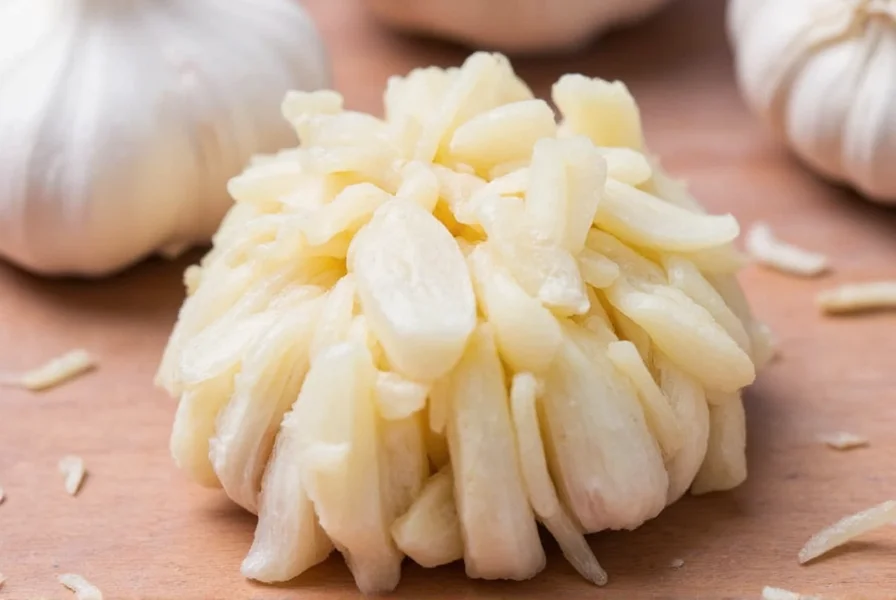
Understanding garlic measurements is essential for consistent cooking results. When recipes specify 2 cloves of minced garlic, they're referring to the amount of garlic after it's been peeled and finely chopped. The actual volume can vary based on clove size and mincing technique, but standard culinary references consistently show that two medium garlic cloves yield about 2 teaspoons of minced product.
Garlic Measurement Fundamentals
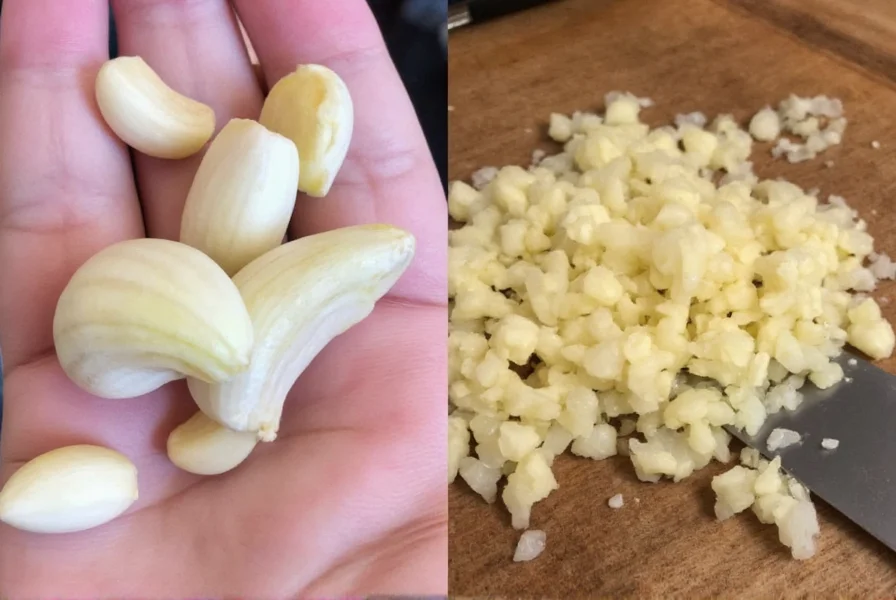
Garlic cloves vary in size depending on the variety and growing conditions. A single clove from a standard grocery store bulb typically measures:
| Garlic Form | Equivalent to 1 Clove | Equivalent to 2 Cloves |
|---|---|---|
| Whole peeled clove | 0.5-1 inch long | 1-2 inches long |
| Minced garlic | 1 teaspoon | 2 teaspoons |
| Garlic paste | 1/2 teaspoon | 1 teaspoon |
| Dried garlic flakes | 1/4 teaspoon | 1/2 teaspoon |
| Garlic powder | 1/8 teaspoon | 1/4 teaspoon |
Factors Affecting Garlic Measurements
Several variables influence the precise yield when converting 2 cloves of minced garlic to volume measurements:
- Clove size: Grocery store garlic cloves range from small (1/2 inch) to large (1.5 inches). Two large cloves can yield up to 1 tablespoon of minced garlic.
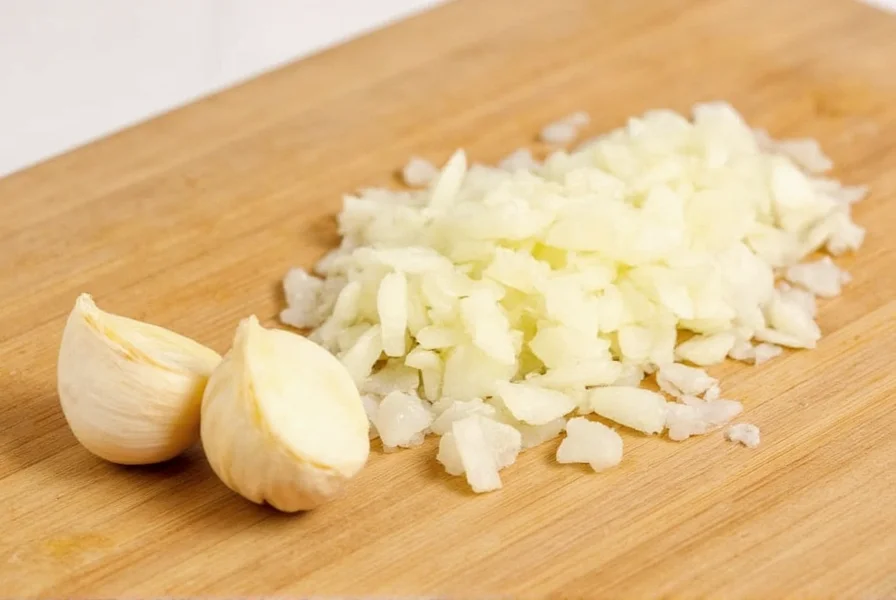
- Mincing technique: Finely minced garlic using a chef's knife produces more volume than garlic pressed through a garlic press, which compacts the fibers.
- Moisture content: Freshly harvested garlic contains more moisture and may yield slightly more volume than stored garlic.
- Packing: How tightly you pack the minced garlic into a measuring spoon affects the final quantity.
Practical Measurement Tips for Cooking
When working with 2 cloves of minced garlic in recipes, consider these professional kitchen techniques:
- Visual estimation: Two medium cloves of minced garlic should form a mound about the size of a quarter coin when measured on a flat surface.
- Knife test: After mincing, spread the garlic in a thin layer - it should cover approximately 1 square inch of cutting board surface.
- Smell test: Properly minced garlic releases aromatic compounds - if you can smell it strongly from 12 inches away, you've minced it finely enough.
- Consistency check: For most recipes calling for 2 cloves of minced garlic, the pieces should be no larger than coarse sand.
Substitution Options When Fresh Garlic Isn't Available
If you don't have fresh garlic but need the equivalent of 2 cloves of minced garlic, these substitutions work well:
- Garlic paste: Use 1 teaspoon (5 ml) - this concentrated form delivers similar flavor intensity
- Garlic powder: Substitute 1/4 teaspoon - remember to add it early in cooking as it needs time to rehydrate
- Pre-minced garlic: Use 2 teaspoons from a jar, but reduce liquid elsewhere in the recipe by 1/4 teaspoon
- Roasted garlic: Substitute 1 tablespoon of roasted garlic paste for milder, sweeter flavor
Important note: Jarred minced garlic contains preservatives that can alter flavor. When substituting for fresh 2 cloves of minced garlic, use 10-15% less jarred product to avoid overpowering your dish.
Why Recipes Specify Cloves Instead of Measurements
Professional recipes often specify cloves rather than volume measurements because:
- Garlic size varies seasonally and by variety
- Chefs consider the whole ingredient rather than just volume
- Using whole cloves maintains the integrity of garlic's flavor compounds until preparation
- It provides consistent flavor intensity regardless of minor size variations
Understanding this distinction helps explain why precise conversion of 2 cloves of minced garlic matters for recipe success. The enzymatic reaction that creates garlic's characteristic flavor begins when cells are ruptured during mincing, making the preparation method as important as the quantity.
Storing Unused Minced Garlic
If you've minced more garlic than needed for your recipe (perhaps preparing several cloves at once), proper storage maintains quality:
- Refrigerate in an airtight container with a thin layer of olive oil for up to 5 days
- Freeze in ice cube trays with oil for up to 3 months (1 cube ≈ 1 clove)
- Never store minced garlic in water as it promotes bacterial growth
- Label containers with date and equivalent clove count for future reference
Common Measurement Mistakes to Avoid
Cooks often make these errors when working with 2 cloves of minced garlic:
- Using garlic powder equivalent without adjusting for potency (powder is 6-8x more concentrated)
- Not accounting for size differences between grocery store and farmer's market garlic
- Adding minced garlic too early in cooking, causing bitterness
- Pressing garlic instead of mincing when a recipe specifies minced (changes texture and flavor release)
For most savory dishes requiring 2 cloves of minced garlic, add it after onions have softened but before liquids are introduced. This timing maximizes flavor development while preventing burning.
How much jarred minced garlic equals 2 fresh cloves?
Use 1 1/2 teaspoons of jarred minced garlic to replace 2 fresh cloves. Jarred garlic contains preservatives and has slightly different moisture content, so using the full 2 teaspoons equivalent may result in overpowering flavor.
Can I substitute garlic powder for 2 cloves of minced garlic in pasta sauce?
Yes, use 1/4 teaspoon garlic powder as equivalent to 2 cloves of minced garlic in pasta sauce. Add it early in the cooking process to allow time for rehydration, and consider adding a pinch of sugar to balance the sharper flavor profile of powder compared to fresh garlic.
Why does my recipe taste different when I use the correct measurement of minced garlic?
Several factors could affect flavor: garlic age (older garlic is stronger), mincing technique (finer mince releases more allicin), cooking time (longer cooking mutes flavor), and garlic variety. For consistent results with 2 cloves of minced garlic, use the same garlic source and preparation method each time.
How do I adjust recipes when using elephant garlic instead of regular garlic?
Elephant garlic is milder than regular garlic. For recipes calling for 2 cloves of regular minced garlic, use 3-4 elephant garlic cloves to achieve similar flavor intensity. Note that elephant garlic cloves are much larger, so 2 elephant garlic cloves would yield approximately 1 tablespoon of minced product.




 浙公网安备
33010002000092号
浙公网安备
33010002000092号 浙B2-20120091-4