
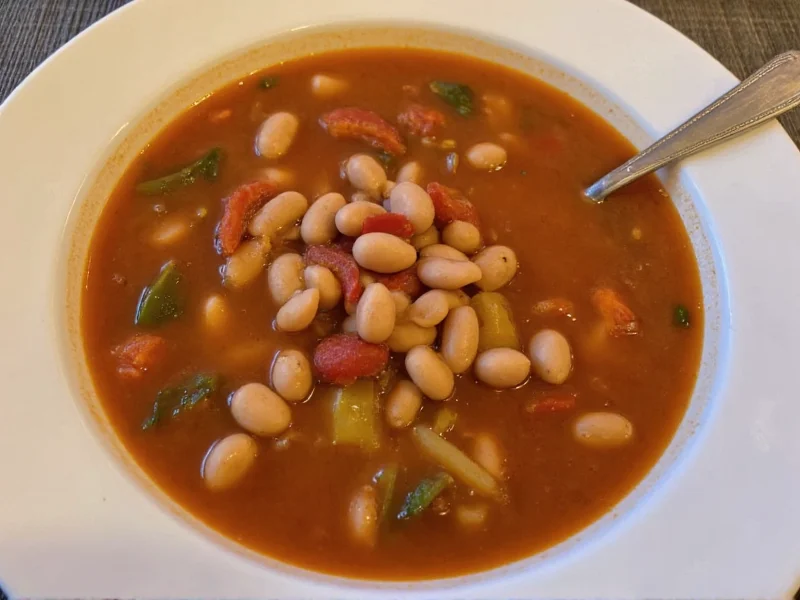
The Rich History of Twelve Bean Soup
Twelve bean soup has roots in traditional peasant cooking across multiple cultures, where resourceful cooks combined available legumes to create nourishing meals. The concept of combining multiple beans dates back centuries in Mediterranean, Latin American, and Middle Eastern cuisines. In the United States, twelve bean soup gained popularity during the Great Depression as an affordable, protein-rich meal. The modern version often includes a specific selection of twelve different beans, though regional variations exist based on local availability and cultural preferences.
Nutritional Powerhouse: Benefits of Twelve Different Beans
What makes homemade 12 bean soup particularly valuable is its comprehensive nutritional profile. Each bean variety contributes unique nutrients, creating a complete protein profile when combined. This traditional 12 bean soup recipe delivers approximately 25 grams of protein and 18 grams of fiber per serving. The diverse bean selection provides sustained energy release, supports digestive health, and helps maintain stable blood sugar levels.
| Bean Type | Key Nutrients | Unique Benefits |
|---|---|---|
| Black Beans | Iron, Magnesium, Folate | Heart health, blood sugar regulation |
| Kidney Beans | Protein, Potassium, Fiber | Kidney function support |
| Chickpeas | Vitamin B6, Zinc, Manganese | Digestive health, immune support |
| Lentils | Folate, Iron, Manganese | Blood health, energy production |
Authentic Twelve Bean Soup Recipe
Creating the perfect 12 bean soup requires attention to detail but yields exceptional results. This comprehensive 12 bean soup cooking guide ensures success every time.
Ingredients for Traditional Twelve Bean Soup
- ½ cup each of 12 different dried beans (black beans, kidney beans, pinto beans, navy beans, cannellini beans, great northern beans, chickpeas, lentils, split peas, lima beans, fava beans, and mung beans)
- 1 large onion, diced
- 3 carrots, chopped
- 3 celery stalks, chopped
- 4 garlic cloves, minced
- 8 cups vegetable or chicken broth
- 2 bay leaves
- 1 teaspoon dried thyme
- 1 teaspoon smoked paprika
- Salt and pepper to taste
- 2 tablespoons olive oil
- 2 cups chopped tomatoes (fresh or canned)
Step-by-Step Cooking Instructions
- Prepare the beans: Sort through each bean variety to remove any stones or debris. Rinse thoroughly under cold water.
- Soak the beans: Place all beans in a large bowl and cover with 3 inches of cold water. Soak for 8-12 hours. Drain and rinse.
- Sauté vegetables: Heat olive oil in a large pot over medium heat. Add onions, carrots, and celery. Cook until softened (about 8 minutes).
- Add aromatics: Stir in garlic, thyme, and smoked paprika. Cook for 1 minute until fragrant.
- Combine ingredients: Add soaked beans, broth, tomatoes, and bay leaves to the pot.
- Simmer: Bring to a boil, then reduce heat to low. Cover and simmer for 1.5-2 hours, stirring occasionally, until beans are tender.
- Season: Remove bay leaves. Add salt and pepper to taste. For thicker soup, mash some beans against the side of the pot.
- Rest: Let soup sit for 15 minutes before serving to allow flavors to meld.
Expert Tips for Perfect Twelve Bean Soup Every Time
Mastering the art of 12 bean soup preparation involves understanding some key techniques. Many home cooks encounter issues with beans remaining hard or the soup becoming too thin. The secret to achieving the ideal texture lies in proper soaking and gradual cooking. Always start with cold water when soaking beans, as warm water can cause uneven rehydration. For the creamiest texture, add salt only after the beans have softened, as early salting can toughen bean skins.
When preparing large batch 12 bean soup for meal prep, consider cooking the beans slightly underdone, as they'll continue to soften when reheated. Acidic ingredients like tomatoes or vinegar should be added in the last 30 minutes of cooking, as they can prevent beans from softening properly if added too early. For enhanced flavor, try using a combination of vegetable and mushroom broth, or add a Parmesan rind during simmering for umami depth.
Variations for Different Dietary Needs
The beauty of traditional 12 bean soup recipe lies in its adaptability. For a vegan version, use vegetable broth and omit any dairy garnishes. To create a spicy southwestern 12 bean soup, add diced jalapeños, cumin, and chipotle powder. Those following a low-sodium diet can prepare the soup without added salt and use no-sodium broth, enhancing flavor with extra herbs and lemon juice.
For pressure cooker enthusiasts, the 12 bean soup cooking time reduces significantly. After sautéing vegetables, add all ingredients (using only 6 cups liquid) and cook on high pressure for 35-40 minutes, followed by a natural release. This method yields perfectly tender beans in about half the time of traditional stovetop preparation.
Serving Suggestions and Storage Tips
Twelve bean soup pairs beautifully with crusty bread, cornbread, or a simple green salad. For added texture, top with fresh herbs, a drizzle of good olive oil, or a sprinkle of grated Parmesan. This hearty soup makes excellent leftovers, as the flavors continue to develop overnight.
Proper storage ensures your homemade 12 bean soup maintains quality. Cool the soup completely before transferring to airtight containers. Refrigerated, it will keep for 5-7 days. For longer storage, freeze in portion-sized containers for up to 3 months. When reheating frozen soup, thaw overnight in the refrigerator or use the defrost setting on your microwave before gently reheating on the stove.




 浙公网安备
33010002000092号
浙公网安备
33010002000092号 浙B2-20120091-4