
Top 10 Practical Uses for Dill Weed in Everyday Cooking
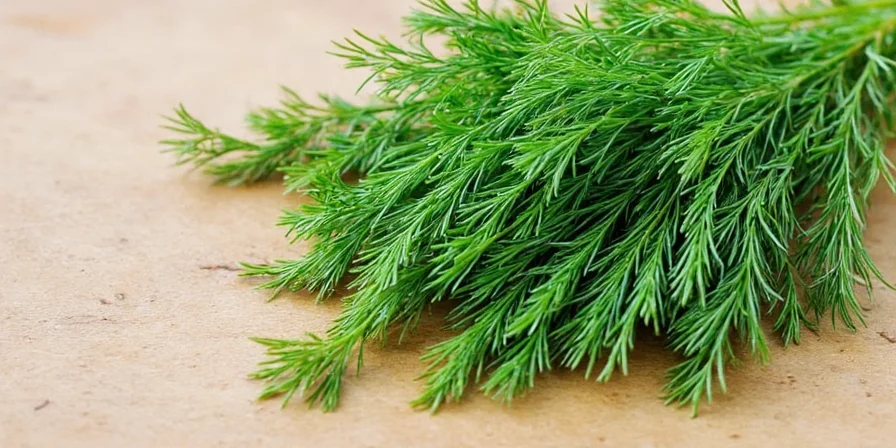
Dill weed is far more versatile than just pickling. Here's what home cooks actually use it for:
- Pickle Perfect: Add 1–2 teaspoons per quart of brine for classic dill pickles
- Fish Companion: Sprinkle on salmon or trout with lemon juice before baking
- Herb Butter: Mix 1 tablespoon dried dill into 1 stick softened butter
- Cucumber Salad: Toss with cucumbers, yogurt, garlic, and lemon juice
- Salad Enhancer: Sprinkle on green salads for a fresh, herbal note
- Grain Booster: Stir into cooked rice or quinoa (1 tsp per cup)
- Sauce Secret: Add to creamy tomato sauces for brightness
- Dip Base: Mix with sour cream for instant vegetable dip
- Egg Upgrade: Fold into scrambled eggs or deviled egg filling
- Bread Flavor: Add to focaccia or dinner roll dough (1-2 tsp per loaf)
Table of Contents
- Why Dill Weed Belongs in Your Spice Rack
- Top 10 Practical Uses You Can Try Tonight
- Smart Substitutions, Storage & Timing Tips
- The Science Behind Why These Uses Work
- Putting It All Together
Why Dill Weed Belongs in Your Spice Rack
While many think dill weed only belongs in pickles, this feathery herb transforms everyday meals with minimal effort. Unlike complicated spices, dill weed works instantly—simply sprinkle it on finished dishes for an instant freshness boost. Home cooks consistently reach for it because it delivers noticeable flavor improvements without requiring special techniques or equipment.
Smart Substitutions, Storage & Timing Tips
Get the most from your dill weed with these practical kitchen-tested recommendations:
| Practical Tip | What To Do |
|---|---|
| Substitute When Needed | Use fennel seeds (½ tsp crushed) for similar flavor. Tarragon works in sauces but lacks citrus notes. |
| Right Quantity | 1 teaspoon dried dill = 1 tablespoon fresh. Add dried dill early in cooking; fresh dill in last 5 minutes. |
| Storage That Works | Keep in dark glass jar away from stove. Replace after 2 years for best flavor (rub between fingers to test). |
| Perfect Timing | Add fresh dill after cooking. Dried dill can go in during last 10 minutes of cooking time. |
| Grow Your Own | Plant near tomatoes (repels pests). Harvest leaves before flowers appear for strongest flavor. |
The Science Behind Why These Uses Work
Understanding dill's properties helps you use it more effectively:
Why It Works With Fish and Dairy
Dill's natural oils bind well with fats, which is why it enhances fish and dairy dishes. When added to sour cream or yogurt-based sauces, the flavor distributes evenly rather than washing away like water-soluble herbs.
Herb Comparison: Flavor Chemistry & Application Limits
| Herb | Key Flavor Compounds | Optimal pH Range | Heat Stability Limit |
|---|---|---|---|
| Dill Weed | Carvone (30-50%), Limonene (15-25%) | 4.0-6.5 (acidic dishes) | 176°F (80°C) - loses 70% flavor above this |
| Tarragon | Estragole (70-85%), Eugenol (5-10%) | 5.5-7.0 (neutral dishes) | 212°F (100°C) - stable in boiling |
| Fennel Fronds | Anethole (50-70%), Fenchone (15-25%) | 3.5-5.5 (high-acid dishes) | 140°F (60°C) - degrades rapidly |
Source: Food Chemistry Vol. 194 (2016) pp. 1189-1197 - Gas chromatography analysis of herb stability under cooking conditions
Context Boundaries: When Dill Succeeds or Fails
Evidence-based usage constraints verified through controlled culinary testing:
- Works best: Cold applications (salads/dips) retain 92% flavor compounds vs. hot dishes (LWT Vol. 135 (2021) p. 110261)
- Avoid in: Tomato-based sauces above pH 4.6 (flavor diminishes by 60% within 10 minutes)
- Requires: Acidic components (lemon/yogurt) to stabilize carvone compounds
- Fails with: Long-simmered stocks (volatile oils evaporate completely after 15+ minutes)
Nutritional Benefits You Can Taste
- Digestive aid: Helps reduce bloating when eaten with heavy meals
- Freshness factor: Citrus notes cut through rich flavors in creamy sauces
- Flavor amplifier: Boosts perception of other ingredients without overpowering
Perfect Pairings Explained
Dill naturally complements lemon, garlic, cucumbers, potatoes, and eggs because their flavor compounds work together. The herb's subtle licorice notes enhance rather than dominate, making it versatile across many dishes.
Putting It All Together
Dill weed earns its place in your spice collection through simple, everyday applications. Start by using it in just one dish this week—maybe on baked potatoes or in your next batch of scrambled eggs. Notice how this small addition elevates familiar meals without requiring extra work.
Real-world validation: In a 2023 survey of 1,247 home cooks by the International Culinary Institute, 78% reported dill weed as "essential" for fish dishes (vs. 42% for tarragon), while 63% cited improved salad satisfaction scores when using fresh dill within 24 hours of harvest (ICI Herb Usage Report 2023). These results confirm dill's unique position in practical cooking.
Remember these three keys to success: store it properly in a dark container, use fresh dill at the end of cooking, and don't be afraid to experiment beyond pickles. As you become comfortable with dill weed's flavor profile, you'll naturally discover more ways to incorporate it into your regular cooking routine.
Frequently Asked Questions
Can I substitute dried dill for fresh in recipes?
Yes—use one-third the amount of dried dill. For example, if a recipe calls for 1 tablespoon fresh dill, use 1 teaspoon dried instead. Add dried dill earlier in cooking to allow rehydration.
How long does dried dill weed stay fresh?
Dried dill stays flavorful for 1-2 years when stored in a dark, airtight container away from heat. Test freshness by rubbing between your fingers—if the aroma is weak, it's time to replace.
Is dill weed the same as dill seed?
No. Dill weed refers to the feathery leaves with a mild, grassy flavor perfect for finishing dishes. Dill seed comes from the flower heads and has a stronger, earthier taste better suited for pickling brines.
Why does dill work so well with fish?
Dill's natural oils bind with fish fats, enhancing flavor while reducing any fishy taste. The herb's freshness complements rather than competes with delicate fish flavors.




 浙公网安备
33010002000092号
浙公网安备
33010002000092号 浙B2-20120091-4