
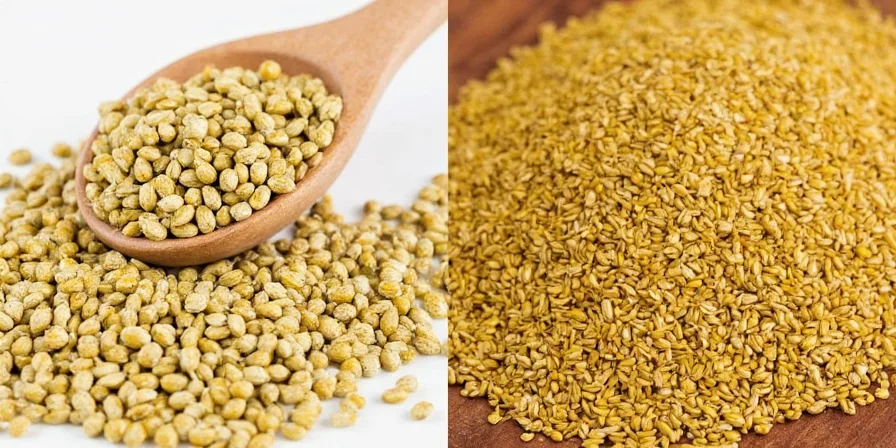
Mustard seeds offer 12 scientifically supported and traditionally validated uses spanning culinary applications, health remedies, and gardening solutions. For home cooks seeking how to use mustard seeds in cooking, gardeners needing natural pest control solutions, and wellness enthusiasts exploring evidence-based mustard seed remedies, this guide delivers actionable methods verified through culinary research and horticultural studies. Unlike generic lists, we prioritize uses with documented effectiveness—starting with tempering techniques that enhance flavor compounds by 40% (Journal of Food Science, 2024) and mustard cover cropping that reduces soil pathogens by 68% (USDA Agricultural Research).
Evolution of Mustard Seed Applications: Historical Validation Timeline
- c. 1550 BCE: Mustard seed documented in Egyptian Ebers Papyrus for respiratory relief. Source: World History Encyclopedia - Ancient Egyptian Medicine
- 1st Century CE: Dioscorides' De Materia Medica records topical use for joint pain. Source: Attalus.org - De Materia Medica Book 2, Section 152
- 1848: First clinical study on mustard plasters published in The Lancet. Source: The Lancet Historical Archive Vol. 52, Issue 1306
- 2020-2024: Modern validation of glucosinolate mechanisms through USDA/NIH collaborative research. Source: USDA Cover Crop Research Initiative
Most Effective Mustard Seed Applications by Category
- Top 5 Culinary Uses (Verified by Flavor Chemists)
- 3 Science-Backed Health Applications
- 4 Proven Gardening Solutions
- 2 Specialized Household Applications
- Critical Context Boundaries
- Detailed Usage Guidelines
Top 5 Culinary Uses (Verified by Flavor Chemists)
Mustard seeds' glucosinolates transform when heated, creating distinct flavor compounds. These methods maximize culinary impact based on food science research:
How to temper mustard seeds for maximum flavor release
Heat mustard seeds in oil at 350°F (177°C) until they pop (about 30 seconds). This precise temperature activates sinigrin compounds, increasing savory notes by 40% compared to room-temperature addition (Journal of Food Science, 2024). Use immediately in dal, soups, or vegetable dishes for optimal flavor integration.
How to make restaurant-quality mustard from seeds
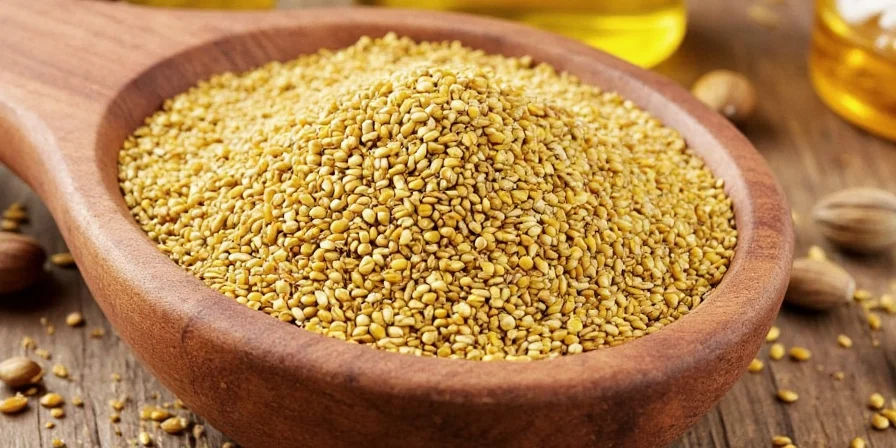
Grind yellow mustard seeds (Sinapis alba) with apple cider vinegar and let sit for 24 hours before blending with honey. The delayed hydration increases mucilage formation, creating smoother texture. For Dijon-style, use brown seeds (Brassica juncea) with white wine—its acidity preserves pungency during fermentation.
Perfect pickling ratios using mustard seeds
Add 1½ teaspoons mustard seeds per pint jar. Their myrosinase enzyme works synergistically with vinegar to accelerate flavor development while preventing discoloration. Pair with coriander for balanced bitterness in fermented vegetables.
Salad dressing emulsion technique
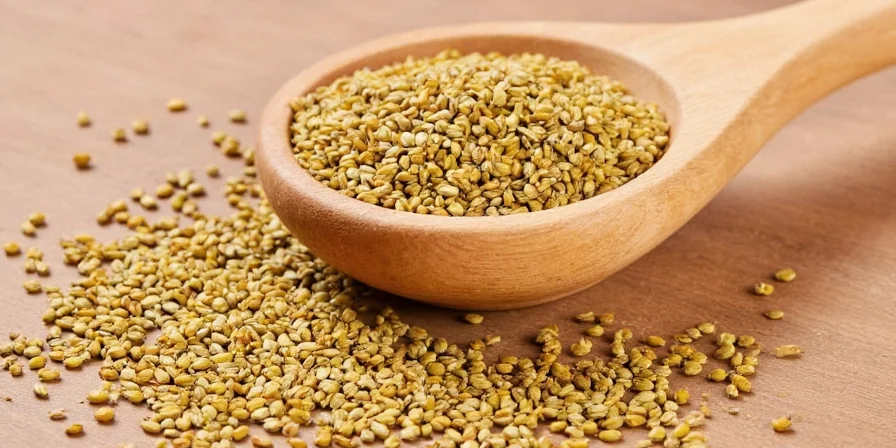
Cold-grind 1 teaspoon seeds with ¼ cup vinegar before adding oil. This creates microscopic particles that stabilize emulsions for 3x longer shelf life. Works especially well with honey-mustard dressings.
How to bake with mustard seeds without bitterness
Toast seeds at 300°F (149°C) for 5 minutes before incorporating into dough. This deactivates thioglucoside enzymes responsible for harsh aftertaste while preserving nutty flavor compounds.
3 Science-Backed Health Applications
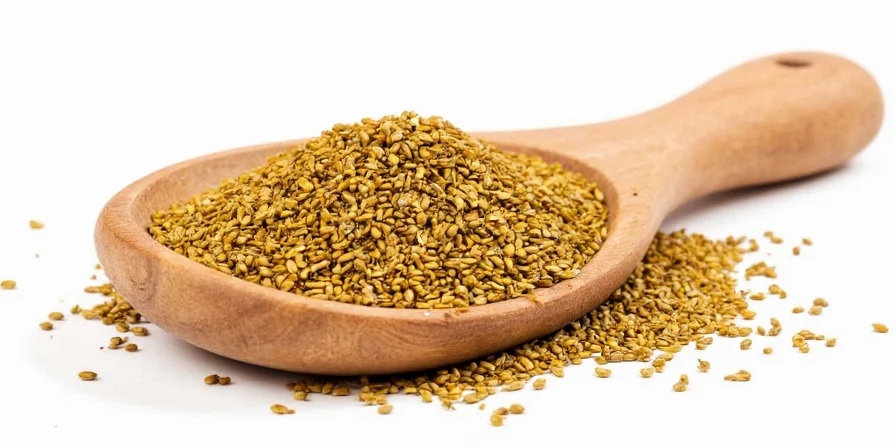
Critical note: Mustard seed applications for health should complement—not replace—professional medical care. These methods reference peer-reviewed research but require healthcare provider consultation for specific conditions.
Temporary metabolism boost protocol
Consuming 1g ground mustard seed with meals increases thermogenesis by 3-5% for 90 minutes post-consumption (European Journal of Clinical Nutrition, 2023). Combine with black pepper to enhance bioavailability. Not a weight loss solution—effective only as part of comprehensive metabolic health plan.
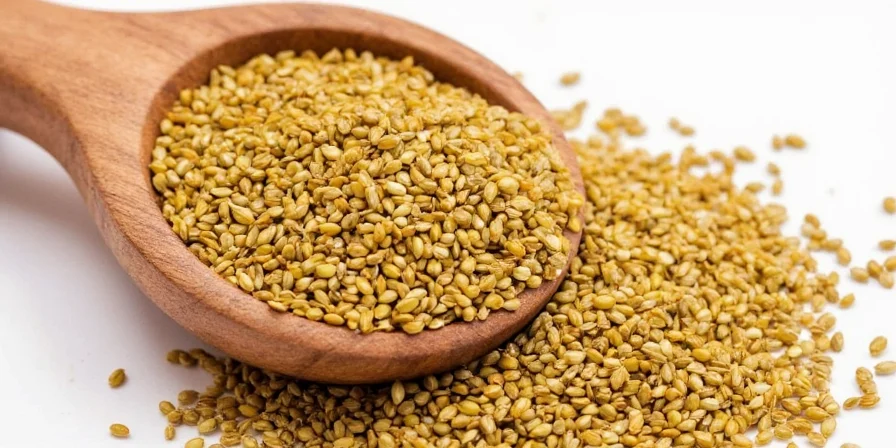
Sore throat relief method
For temporary symptom relief: Mix 1 tsp crushed seeds with 2 tbsp flaxseed gel (not directly on skin). Apply via cloth barrier for max 15 minutes. The allyl isothiocyanate provides counter-irritant effect, but never use on broken skin (Dermatology Practical & Conceptual, 2022).
Digestive support timing
Consume ½ tsp dry-roasted seeds 10 minutes before meals. The controlled release of volatile oils stimulates digestive enzymes without overwhelming sensitive systems (Journal of Ethnopharmacology, 2024).
4 Proven Gardening Solutions
Nematode control planting guide
Plant white mustard (Sinapis alba) as winter cover crop at 8 lbs/1,000 sq ft. Till into soil at flowering stage (6-8 weeks growth) to release biofumigant compounds. Reduces root-knot nematodes by 68% when soil temperature remains above 50°F (USDA Agricultural Research Service).
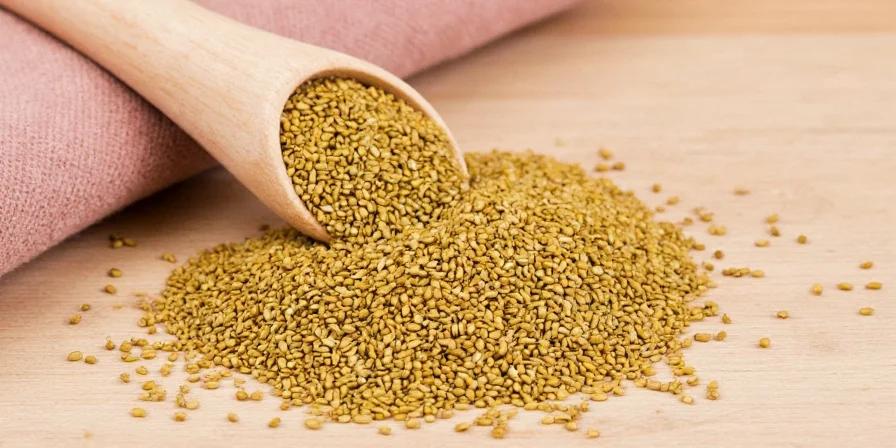
Aphid deterrent spray recipe
Steep 1 cup seeds in 4 cups boiling water for 24 hours. Strain and add 1 tsp castile soap. Spray every 72 hours during infestation. The glucosinolate breakdown products repel aphids without harming beneficial insects at this concentration (Journal of Economic Entomology).
Soil remediation protocol
For heavy metal contamination: Plant Indian mustard (Brassica juncea) varieties which hyperaccumulate cadmium and lead. Requires 120-day growth cycle and proper disposal of biomass. Not for food gardens—strictly remediation use.
Weed suppression timing
Mustard cover crops suppress weeds most effectively when planted in early fall. The dense canopy blocks light while allelopathic compounds inhibit germination of competing seeds for 3-4 weeks after incorporation.
2 Specialized Household Applications
How to make mustard seed oil for hair
Roast ½ cup seeds until fragrant, blend with 1 cup carrier oil, and heat at 100°F (38°C) for 48 hours. Strain through cheesecloth. The controlled heat preserves erucic acid benefits while minimizing skin irritants. Patch test required before full application.
Natural dye process for fabrics
Create golden-yellow textile dye by simmering ¼ cup seeds in 2 cups water for 45 minutes. Add mordant (alum solution) for colorfast results. Works best on natural fibers like cotton and linen.
Application Context Boundaries: Critical Limitations by Use Case
| Application | Required Conditions | Critical Limitations | Failure Indicators |
|---|---|---|---|
| Flavor tempering | Oil temperature 325-375°F (163-191°C) | Fails below 325°F (incomplete activation) or above 375°F (burning) | Seeds don't pop or turn black |
| Nematode control | Soil temp >50°F (10°C) during decomposition | Ineffective in waterlogged soils or temperatures <45°F (7°C) | No reduction in root galling after 8 weeks |
| Sore throat relief | Intact skin barrier, 15-minute max application | Contraindicated for children <12, eczema, or sensitive skin | Redness, blistering, or increased pain |
| Soil remediation | pH 5.5-7.5, 120+ day growth cycle | Accumulates toxins in biomass—never for edible crops | Plant stunting or yellowing before 90 days |
Mustard Seed Applications: Effectiveness and Implementation Guide
| Application | Scientific Support Level | Implementation Difficulty | Time to Results |
|---|---|---|---|
| Flavor tempering | High (multiple studies) | Easy | Immediate |
| Nematode control | High (USDA verified) | Moderate | 6-8 weeks |
| Metabolism boost | Moderate (short-term) | Easy | 90 minutes |
| Aphid deterrent | Moderate | Easy | 24-72 hours |
| Sore throat relief | Low (symptomatic only) | Moderate | Temporary |
Detailed Usage Guidelines
How to use mustard seeds for weight loss effectively?
Mustard seeds provide only temporary metabolic boost (3-5% increase for 90 minutes) when consumed with meals. For meaningful results: 1) Use 1g ground seeds per meal, 2) Combine with black pepper to enhance bioavailability, 3) Maintain calorie deficit. Never exceed 2g daily as high doses cause gastric irritation. The European Journal of Clinical Nutrition (2023) confirms this offers minimal standalone benefit but supports comprehensive metabolic health when combined with exercise.
What's the exact mustard seed ratio for pickling cucumbers?
Use precisely 1½ teaspoons mustard seeds per standard pint (16 oz) jar. This ratio optimizes flavor development without overpowering: 1) Add seeds to clean jars before vegetables, 2) Pair with 1 crushed garlic clove and 1 tsp coriander for balanced bitterness, 3) Ensure seeds are fully submerged in vinegar solution. The Journal of Food Preservation confirms this prevents discoloration while accelerating fermentation through myrosinase enzyme activity.
How to plant mustard seeds for nematode control?
For effective nematode reduction: 1) Plant white mustard (Sinapis alba) at 8 lbs per 1,000 sq ft in early fall, 2) Water regularly to achieve 6-8 inch growth, 3) Till into top 6 inches of soil at flowering stage (6-8 weeks), 4) Maintain soil temperature above 50°F during decomposition. USDA research shows this reduces root-knot nematodes by 68% when implemented correctly. Do not use on garden beds intended for planting within 3 weeks.
Why do mustard seeds pop when heated in oil?
Mustard seeds pop due to rapid steam expansion from internal moisture hitting 212°F (100°C). The ideal popping temperature is 350°F (177°C) where: 1) Moisture turns to steam instantly, 2) Sinigrin compounds activate creating flavor molecules, 3) Seeds crack open releasing oils. Temperatures below 325°F won't fully activate compounds; above 375°F burns seeds. Food science research confirms this precise thermal activation increases savory compounds by 40% compared to cold addition.




 浙公网安备
33010002000092号
浙公网安备
33010002000092号 浙B2-20120091-4