
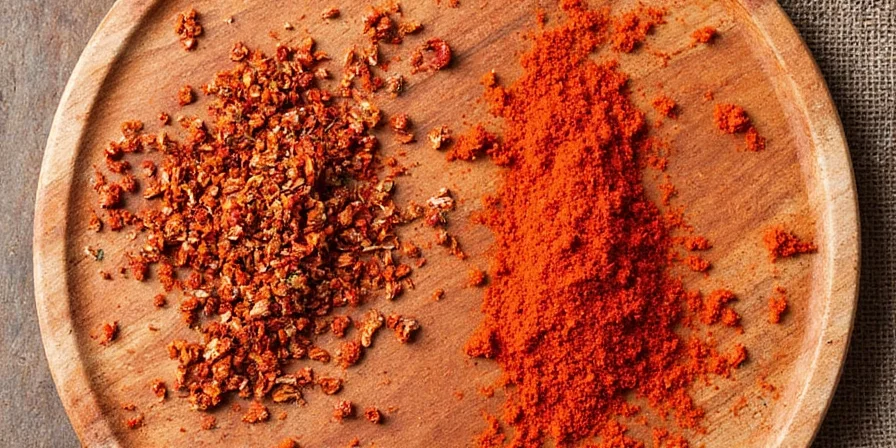
10 Hilarious and Useful Tips to Spice Up Your Life with Harissa-Style Hanout Mix!
If you’ve ever tasted a dish that made you say, "Wait… is this magic or just some kind of secret powder?" chances are, it was probably hanout spice mix. This North African blend is like the Swiss Army knife of spices — versatile, powerful, and always ready to save your dinner.
In this article, we’ll break down what makes hanout tick, how you can use it creatively, and — most importantly — how to avoid becoming *that* person who over-seasons their chili and then cries (we’ve all been there). So grab your mortar and pestle, or at least your favorite spice jar, and let’s dive in!
Table of Contents
- What Exactly Is Hanout Spice Mix?
- Why It Kicks Ass in Any Dish
- Top 10 Tips for Using Hanout Like a Pro
- Mix & Match: Customizing Your Blend
- Visual Comparison Table
- Conclusion: Go Forth and Season Boldly
What Exactly Is Hanout Spice Mix?
You may have heard it called ras el hanout, which literally means "top of the shop" in Arabic. That’s not just poetic — it means this spice mix contains only the finest ingredients a spice merchant has available.
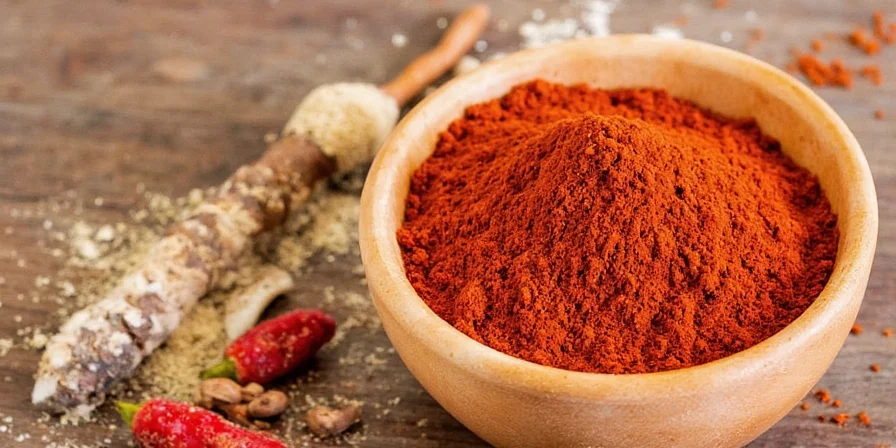
Ras el hanout isn’t one fixed recipe; it varies by region and even by vendor. Some blends contain up to 30 different spices! Common ingredients include:
- Cumin
- Paprika
- Coriander
- Cardamom
- Nutmeg
- Cinnamon
- Allspice
- Cayenne pepper
- Fennel seeds
- Black pepper
Why It Kicks Ass in Any Dish
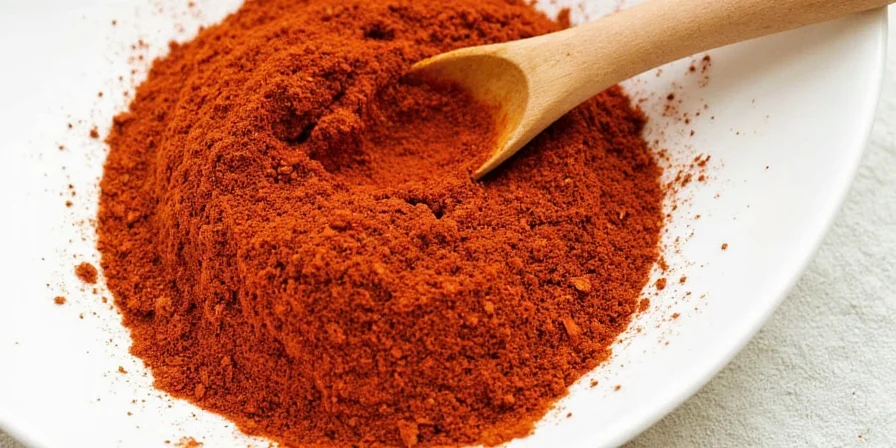
Think of ras el hanout as the MVP of your spice rack. Its complex flavor profile brings warmth, depth, and just the right amount of kick. Whether you're marinating meats, roasting vegetables, or even sprinkling on popcorn, it adds layers of taste that’ll make your taste buds do a happy dance.
Top 10 Tips for Using Hanout Like a Pro
- Start Small: Ras el hanout is potent. A little goes a long way. Trust us — you don’t want to be the reason someone calls 911 because your lamb shank tasted like it came from the sun.
- Toast It First: Toasting the spices in a dry pan before using them unlocks their full aroma and deepens the flavor. Think of it as giving your spices a warm hug before they go into action.
- Marinade Magic: Add ras el hanout to yogurt or olive oil-based marinades for chicken, lamb, or tofu. Let sit for at least an hour — or overnight if you’re feeling extra spicy (pun intended).
- Roast Veggies: Toss root vegetables like carrots, sweet potatoes, or eggplant in a little oil and ras el hanout before roasting. You’ll get that rich, earthy, almost magical flavor without breaking a sweat.
- Add to Soups and Stews: Stir it in during the first 10 minutes of cooking to allow the flavors to bloom and infuse the broth.
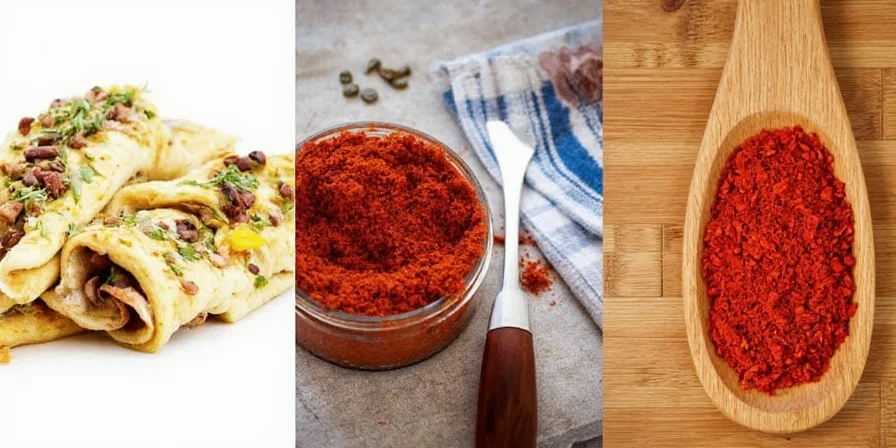
- Make Your Own Harissa Paste: Combine ras el hanout with roasted red peppers, garlic, olive oil, and vinegar for a killer homemade harissa paste that will elevate everything from eggs to grilled cheese.
- Season Grains: Stir a pinch into couscous, quinoa, or rice after cooking. Instant gourmet vibes.
- Try It on Popcorn: Mix ras el hanout with melted butter or sprinkle over freshly popped kernels. It's like going to Morocco without the plane ticket.
- Pair It With Citrus: Balance out the richness of ras el hanout with a squeeze of lemon or orange zest. Think tagine meets tabbouleh.
- Don't Skip the Salt: Spices shine when salt is involved. Don’t forget to season your dish properly alongside the spice mix — otherwise, you might end up with something that smells great but tastes flat.
Mix & Match: Customizing Your Blend
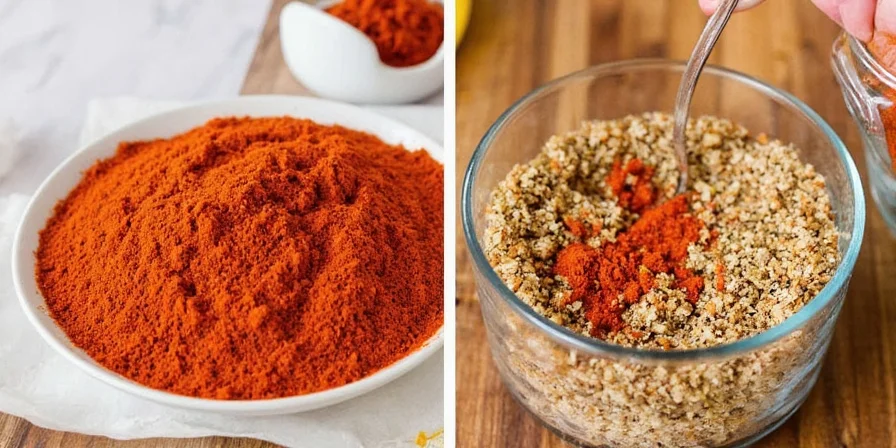
Want to play mad scientist in your own kitchen? Customize your own ras el hanout by playing around with ratios and ingredients. Here’s a basic breakdown to get you started:
| Base Flavors | Aromatic Boosters | Warm & Sweet Notes | Heat Kickers |
|---|---|---|---|
| Cumin (1–2 tbsp) | Coriander (1 tbsp) | Cinnamon (½ tsp) | Cayenne (¼–1 tsp) |
| Paprika (1–2 tbsp) | Fennel seeds (½ tsp) | Nutmeg (¼ tsp) | Black pepper (1 tsp) |
| Ginger (1 tsp) | Allspice (½ tsp) | Cardamom (½ tsp) | Ancho chili powder (optional) |
Mix together, store in an airtight container, and label it like it’s top secret intel from the CIA. Bonus points if you name your blend “Operation Flavor Bomb.”
Visual Comparison Table: Store-Bought vs Homemade
| Feature | Store-Bought Hanout | Homemade Hanout |
|---|---|---|
| Cost | Moderate to high | Low (uses pantry staples) |
| Freshness | Varies (may be old stock) | Fresher than your last breakup text |
| Customization | Limited | Totally customizable |
| Flavor Complexity | Depends on brand | Can be fine-tuned |
| Fun Factor | Just spices | Science + art = delicious |
Conclusion: Go Forth and Season Boldly
So there you have it — your ultimate guide to unlocking the power of hanout spice mix. Whether you’re grilling, roasting, or just trying to impress a date with your culinary prowess, ras el hanout is your new best friend in the kitchen.
Remember: start small, toast smart, customize boldly, and above all — have fun with it! Now go forth and season like the spice warrior you were born to be.




 浙公网安备
33010002000092号
浙公网安备
33010002000092号 浙B2-20120091-4