

The 10 best spices for pork chops are paprika, cumin, garlic powder, onion powder, black pepper, thyme, oregano, chili powder, smoked salt, and brown sugar. These ingredients consistently deliver flavorful results when applied correctly. This guide explains exactly how to use them for juicy, restaurant-quality pork chops - no culinary degree required.
Quick Reference: Top 3 Spice Combinations
- Classic Comfort: Paprika + garlic powder + black pepper (ready in 5 minutes)
- Flavor Boost: Cumin + smoked salt + brown sugar (perfect for grilling)
- Quick Fix: Pre-mixed Montreal steak seasoning (when short on time)
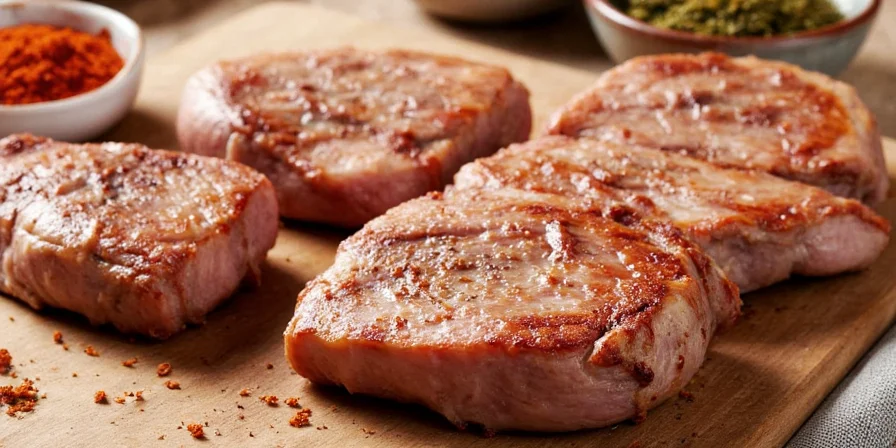
Why These Spices Work with Pork Chops
Pork's natural sweetness pairs perfectly with earthy and smoky spices. Unlike beef, pork benefits from spices that complement rather than overpower. The right combinations create a flavorful crust while keeping the meat juicy inside. Here's what actually matters for home cooks:
- Salt is essential - use 3/4 teaspoon per pound, applied right before cooking
- Fat-soluble spices like paprika and cumin penetrate deeper for better flavor
- Dry spices work better than fresh for creating a proper sear
- Timing matters more than quantity - most mistakes happen with application timing
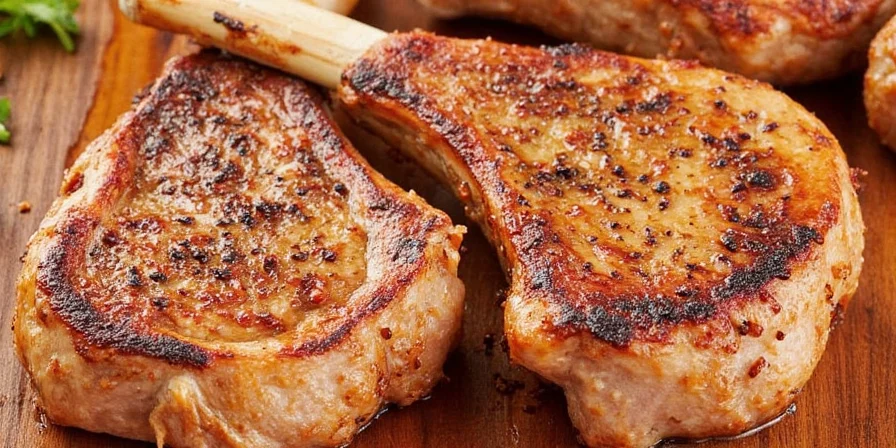
How to Apply Spices Properly (The Right Way)
Follow these simple steps for perfect results every time:
- Dry the chops - pat thoroughly with paper towels (critical for browning)
- Season right before cooking - salt applied more than 15 minutes ahead draws out moisture
- Use the right amounts - 1 teaspoon total spices per pound of meat
- Press spices in gently - don't rub, which can tear the meat surface
- Cook immediately - waiting causes spices to absorb surface moisture
3 Proven Spice Blends Anyone Can Make
These combinations work reliably for different cooking methods:
- Basic Restaurant-Style: 1 tsp paprika, 1/2 tsp garlic powder, 1/4 tsp black pepper, 3/4 tsp smoked salt per pound
- Quick Grill Mix: 1 tsp cumin, 1 tsp brown sugar, 1/2 tsp chili powder, 3/4 tsp salt per pound (perfect for 1-inch chops)
- Weeknight Solution: Equal parts garlic powder, onion powder, and paprika (20 seconds to mix)
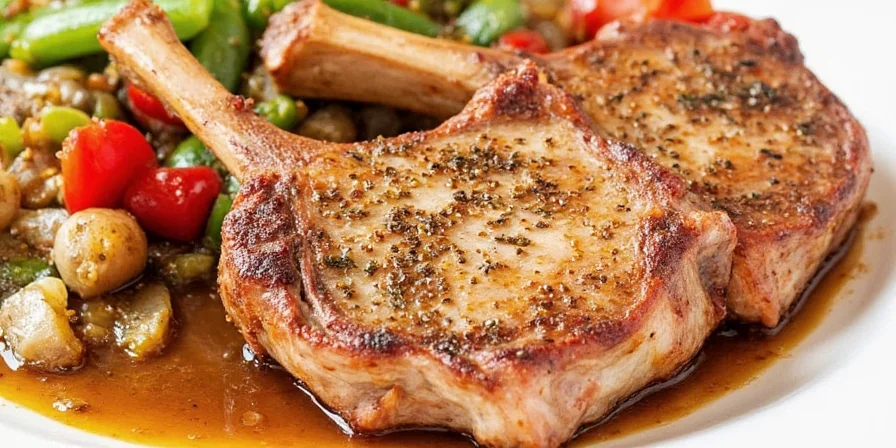
Which Spices Deliver Best Results
| Spice | Best For | Common Mistake | Pro Tip |
|---|---|---|---|
| Paprika | All cooking methods | Using sweet instead of smoked | Smoked version adds instant depth |
| Cumin | Grilling, pan-searing | Applying too early | Toast briefly before use for better flavor |
| Garlic Powder | Indoor cooking | Using fresh garlic instead | Creates better crust than fresh |
| Brown Sugar | Thick chops (1+ inch) | Using too much | 1/2 tsp max per pound prevents burning |
| Smoked Salt | All methods | Substituting regular salt | Provides smoke flavor without liquid smoke |
4 Mistakes That Ruin Pork Chops (And How to Fix Them)
These simple errors cause most failed results:
- Seasoning too early - Wait until right before cooking to salt
- Using wet ingredients - Wet marinades prevent proper browning
- Overcomplicating blends - More than 4 spices usually creates flavor confusion
- Ignoring thickness - Thin chops need less sugar to prevent burning
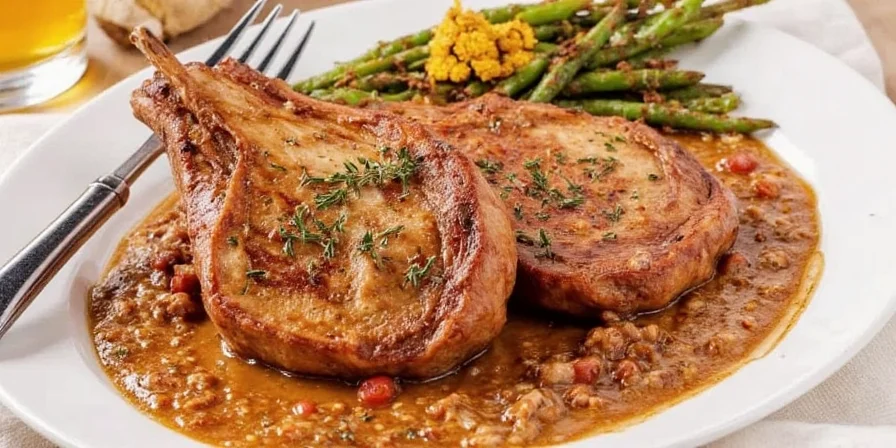
3 Fast Methods for Busy Cooks
- 5-Minute Fix: Salt + pepper + paprika (the classic trio that always works)
- Pantry Staple Method: Use pre-mixed Montreal steak seasoning (check ingredients for sugar content)
- Emergency Solution: Olive oil + salt + any dried herb you have (better than plain salt)
Simple Secrets to Perfect Pork Chops
Great pork chops don't require fancy techniques. Stick to these reliable principles: use dry spices instead of wet marinades, apply salt right before cooking, keep blends simple (3-4 ingredients max), and don't overcrowd the pan. The best results come from understanding these basic principles rather than complicated recipes. Start with the Basic Restaurant-Style blend and adjust based on your preferences - you'll consistently get juicy, flavorful pork chops that impress.
Frequently Asked Questions
What's the one spice I must use for pork chops?
Smoked paprika. It creates an instant flavor depth that makes pork taste professionally prepared. Regular paprika works in a pinch, but smoked delivers noticeably better results with no extra effort.
How soon before cooking should I season pork chops?
Season right before cooking - within 5-10 minutes. Unlike steak, pork chops lose moisture when salted too early, preventing proper browning. Pat dry, season, and cook immediately for best results.
Can I use fresh herbs instead of dried spices?
Add fresh herbs during the last 2 minutes of cooking. Dried spices work better for initial seasoning because they create a better crust. Fresh herbs burn easily when applied at the beginning but add wonderful flavor at the end.
Why do my spice-rubbed pork chops always stick to the pan?
This happens when the pan isn't hot enough or you move the chops too soon. Heat your pan until a drop of water sizzles immediately, then add oil. Place seasoned chops in the pan and wait 3-4 minutes without moving them until they release naturally.




 浙公网安备
33010002000092号
浙公网安备
33010002000092号 浙B2-20120091-4