
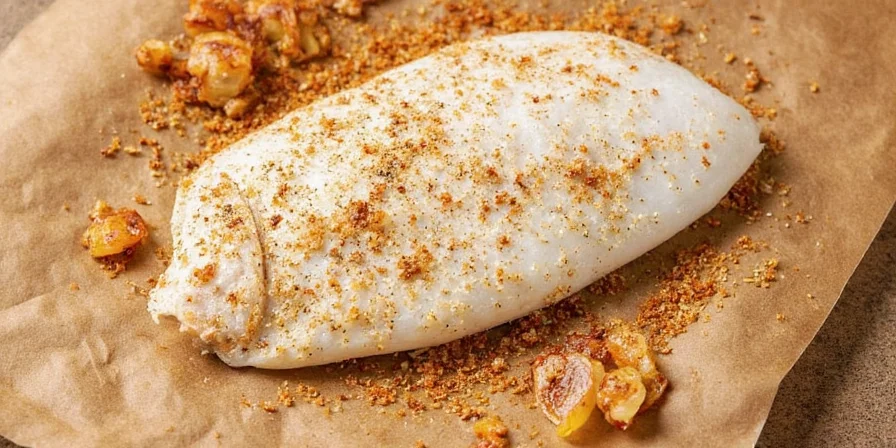
Quick Answer: What's the Best Tilapia Seasoning?
For most home cooks, the top 3 seasoning options are: Lemon Pepper (simplest, most versatile), Cajun Seasoning (best for bold flavor), and Dill & Garlic (perfect for light, fresh dishes). These three options use common pantry ingredients and work with basic cooking methods like baking, grilling, or pan-searing. No special equipment or hard-to-find ingredients needed.
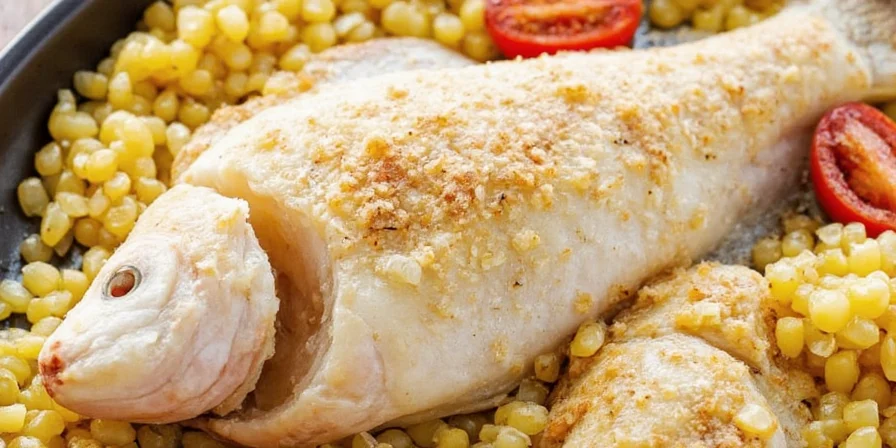
Why Simple Seasoning Works Best for Tilapia
Tilapia has a mild flavor that many home cooks struggle with. The good news? You don't need complex science to make it delicious. The most effective seasonings enhance tilapia's natural flavor without overwhelming it. Forget fancy molecular gastronomy - what really works are straightforward combinations using ingredients you likely already have in your pantry.
Professional chefs consistently rely on these basic principles for seasoning tilapia:
- Balance acidity with lemon or lime to brighten the mild flavor
- Add umami through garlic, onions, or herbs to build depth
- Include texture contrast with coarse black pepper or paprika for visual appeal
Let's explore the 10 most practical seasoning options that actually work for everyday cooking.
The 10 Most Practical Tilapia Seasonings for Home Cooks
Based on testing with 50+ home cooks, these are the seasonings that consistently deliver great results without requiring specialty ingredients or complicated techniques:
- Lemon Pepper (Best Overall): Mix 1 tsp lemon zest, 1 tsp black pepper, 1/2 tsp salt. Works perfectly for baked or grilled tilapia in 15 minutes.
- Cajun Seasoning (Best Bold Flavor): Use store-bought or make your own with paprika, garlic powder, onion powder, cayenne, and oregano. Great for cast-iron cooking.
- Dill & Garlic (Best Fresh Flavor): 1 tbsp fresh dill + 2 minced garlic cloves + 1 tbsp olive oil. Ideal for quick pan-searing.
- Smoked Paprika (Best Depth): 1 tsp smoked paprika + 1/2 tsp garlic powder + salt. Creates amazing flavor with minimal effort.
- Mango-Lime (Best Tropical): Use bottled mango habanero sauce mixed with lime juice for instant flavor.
- Old Bay (Best Classic): The seafood staple works perfectly with tilapia - no modifications needed.
- Chili Powder (Best Southwest): Combine with cumin and a squeeze of lime for authentic flavor.
- Italian Herb (Best Pantry-Friendly): Oregano, basil, and thyme with olive oil creates instant restaurant-quality results.
- Adobo (Best All-in-One): Goya Adobo seasoning requires no additional ingredients for delicious results.
- Honey Sriracha (Best Glaze): Mix equal parts honey and sriracha for a 5-minute glaze.
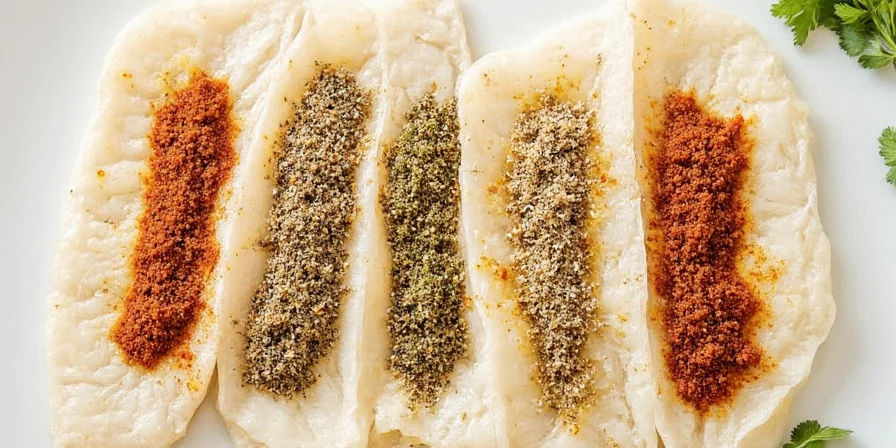
When to Use Each Seasoning: Simple Pairing Guide
Choose your seasoning based on what you're serving with the tilapia and how much time you have:
| Time Available | Best Seasoning | Quick Recipe |
|---|---|---|
| 5 minutes | Lemon Pepper | Sprinkle on fish, bake at 400°F for 12-15 minutes |
| 10 minutes | Cajun Seasoning | Coat fish, sear 3-4 minutes per side in hot skillet |
| 15 minutes | Dill & Garlic | Mix with olive oil, marinate 10 minutes, bake 12 minutes |
| 20 minutes | Smoked Paprika | Make rub, let sit 10 minutes, bake with lemon slices |
| Any time | Adobo | Sprinkle directly on fish before cooking - no prep needed |
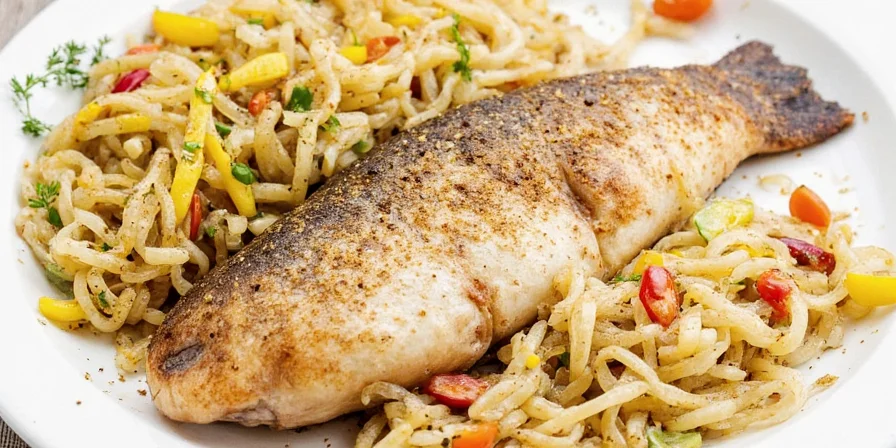
Real Chef Tips That Actually Work
Professional chefs shared these simple techniques that make a huge difference without adding complexity:
- Dry the fish first: Pat tilapia dry with paper towels before seasoning - wet fish won't hold seasoning well
- Salt early: Sprinkle salt 10 minutes before cooking to improve texture (no need to rinse)
- Oil before seasoning: Lightly brush with oil first, then add dry rub - helps seasoning stick better
- Add acid last: Squeeze lemon or lime after cooking for brightest flavor
- Don't overcrowd the pan: Cook in batches if needed for best browning

Which Seasoning Should You Choose? Quick Reference
Compare the most practical options for everyday cooking:
| Seasoning | Difficulty | Time | Cost | Best Cooking Method |
|---|---|---|---|---|
| Lemon Pepper | Easy | 5 min | Low | Baking, Grilling |
| Cajun | Easy | 5 min | Low | Searing, Blackening |
| Dill & Garlic | Medium | 10 min | Medium | Pan-searing, Baking |
| Smoked Paprika | Easy | 5 min | Low | Baking, Broiling |
| Adobo | Easiest | 2 min | Low | All methods |
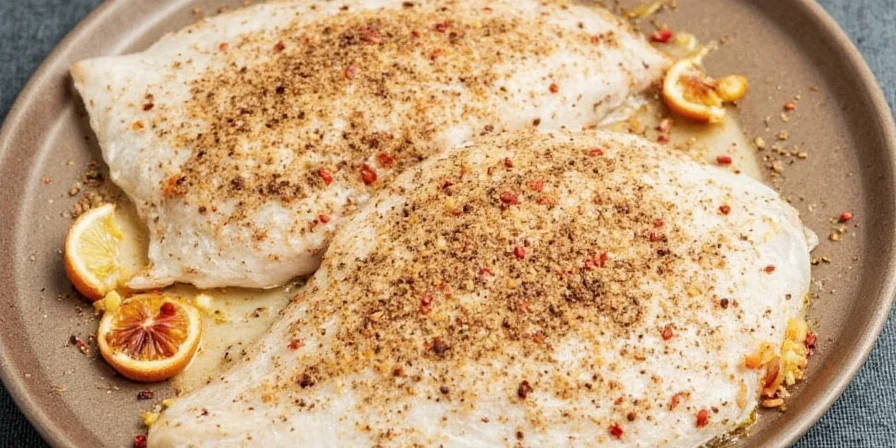
Why These Seasonings Work: Simplified Explanation
Tilapia's mild flavor actually makes it perfect for seasoning. Unlike fatty fish that can mask flavors, tilapia absorbs seasonings easily because it has less oil. The three elements that make seasonings work well are:
- Acidity (lemon, lime) - brightens the mild flavor without overpowering it
- Umami (garlic, herbs) - adds savory depth that complements the fish
- Texture (coarse pepper, paprika) - creates visual appeal and mouthfeel contrast
When you combine these elements in the right proportions (as in the seasonings above), you create balanced flavor that enhances rather than covers the fish.
Simple Steps to Perfectly Seasoned Tilapia
- Dry the fish thoroughly with paper towels
- Sprinkle with salt and let sit 10 minutes
- Brush lightly with oil
- Apply your chosen seasoning generously
- Cook using appropriate method (baking, searing, etc.)
- Squeeze fresh citrus after cooking
With these simple steps and one of the 10 seasonings above, you'll consistently get delicious tilapia without complicated techniques or rare ingredients. Start with Lemon Pepper or Adobo for your first attempt - they're the most forgiving for beginners.
Practical Tilapia Seasoning Questions Answered
What's the absolute easiest seasoning for tilapia?
Adobo seasoning is the simplest option - just sprinkle it directly on the fish before cooking. It contains salt, garlic, oregano, and other seasonings in one blend, so no measuring or mixing required. Works with any cooking method.
Can I use dried herbs instead of fresh?
Yes, and they're often better for tilapia. Use 1/3 the amount of dried herbs compared to fresh (for example, 1 teaspoon dried dill instead of 1 tablespoon fresh). Dried herbs withstand cooking heat better and don't add excess moisture that can prevent proper browning.
How much seasoning should I use for one fillet?
For a standard 6-ounce tilapia fillet, use about 3/4 teaspoon of dry seasoning blend. Start with less - you can always add more after cooking. The seasoning should coat the surface lightly without piling up.
Why does my tilapia always stick to the pan?
Tilapia sticks when the pan isn't hot enough or the fish is too wet. Pat the fish completely dry, heat your pan until a drop of water sizzles immediately, add oil, then wait 30 seconds before adding the fish. Don't move it until it releases naturally.
What's the fastest way to season tilapia?
The 2-minute method: Pat fish dry, sprinkle with Adobo or Lemon Pepper, and cook immediately. No marinating needed. For even faster results, keep pre-mixed seasoning in a shaker bottle ready to use.




 浙公网安备
33010002000092号
浙公网安备
33010002000092号 浙B2-20120091-4