
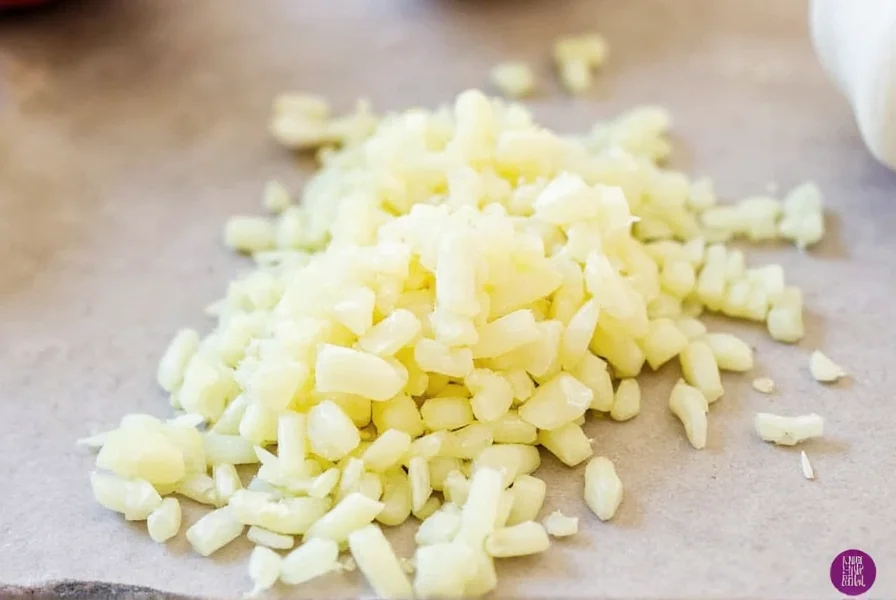
Understanding garlic measurements is crucial for consistent cooking results. When a recipe calls for minced garlic but you're working with whole cloves, knowing the precise conversion prevents under- or over-seasoning your dishes.
Garlic Clove to Minced Measurement Guide
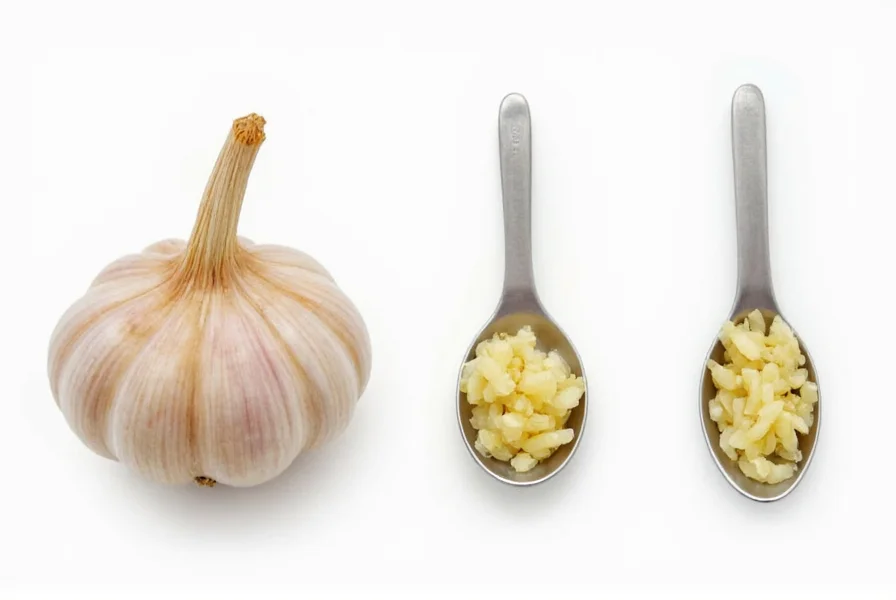
The exact amount of minced garlic you'll get from one clove depends primarily on its size. Garlic cloves vary significantly in dimensions, affecting their minced yield:
| Garlic Clove Size | Whole Clove Weight | Minced Garlic Yield |
|---|---|---|
| Small | 3-5 grams | 1 teaspoon |
| Medium (standard) | 6-9 grams | 1–1.5 teaspoons |
| Large | 10-12 grams | 1.5–2 teaspoons |
| Jumbo | 13+ grams | 2–2.5 teaspoons |
Factors Affecting Garlic Measurement Accuracy
Several variables influence the minced garlic yield from a single clove:
Clove Size Variations
Garlic bulb varieties differ substantially in clove size. Softneck garlic typically produces smaller cloves than hardneck varieties. Within the same bulb, cloves range from tiny inner pieces to large outer sections.
Preparation Technique
How you mince garlic affects volume:
- Hand-minced garlic tends to be slightly more compact
- Food processor minced garlic often retains more air
- Microplaned garlic creates the most concentrated form
Moisture Content
Freshly harvested garlic contains more moisture than cured bulbs, affecting weight-to-volume ratios. Older garlic may yield slightly less minced product due to moisture loss.
Practical Substitution Guidelines
When converting between whole cloves and minced garlic in recipes, consider these practical tips:
For Most Cooking Applications
Use the standard conversion of 1 medium garlic clove = 1.5 teaspoons minced garlic. This ratio works well for sautés, sauces, and marinades where garlic flavor should be present but not overwhelming.
For Delicate Dishes
In subtle preparations like fish dishes or light sauces, use a conservative approach: 1 small clove = 1 teaspoon minced. This prevents garlic from dominating delicate flavors.
For Robust Recipes
Heartier dishes like stews, braises, or garlic bread can handle more aggressive measurements: 1 large clove = 2 teaspoons minced. The cooking process mellowes garlic's sharpness.
Professional Kitchen Tips
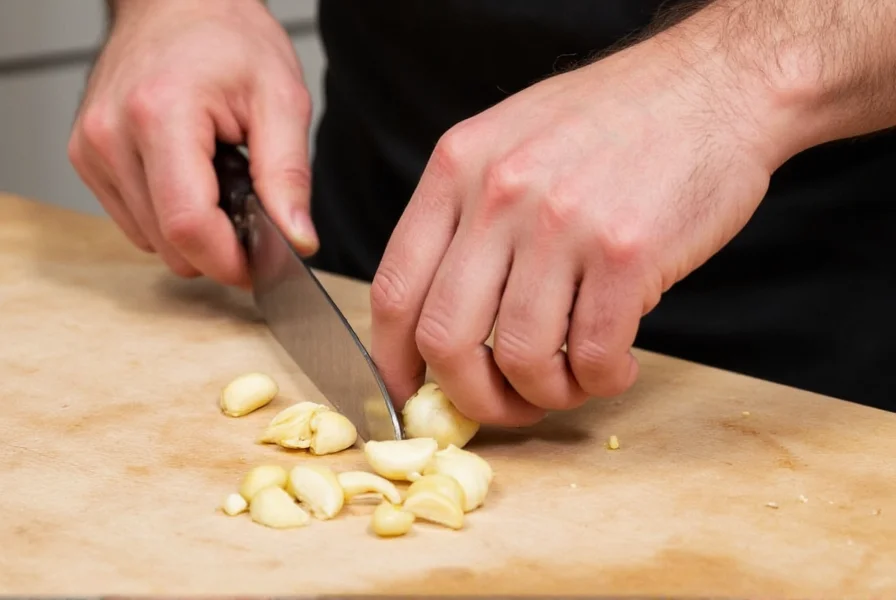
Chefs measure minced garlic by weight for precision, but home cooks can achieve consistent results with these techniques:
- Standardize your mincing: Use the same knife and technique each time for consistent particle size
- Level measurements: After spooning minced garlic into your measuring spoon, level it with a straight edge
- Consider freshness: Older garlic cloves yield slightly less minced product due to moisture loss
- Adjust for heat: Raw garlic measurements differ from cooked; cooking reduces volume by 20-30%
Common Measurement Mistakes to Avoid
Many home cooks make these errors when converting garlic measurements:
- Assuming all cloves are equal in size
- Not accounting for different mincing methods
- Using heaping rather than level measurements
- Forgetting that garlic intensity varies by variety and freshness
- Not adjusting for recipe type (delicate vs. robust dishes)
Understanding the precise conversion from whole garlic cloves to minced garlic ensures your recipes achieve the intended flavor profile. This knowledge proves especially valuable when following professional recipes that specify measurements rather than clove counts.
Frequently Asked Questions
How many teaspoons is one garlic clove when minced?
One medium garlic clove yields approximately 1–1.5 teaspoons of minced garlic. Small cloves produce about 1 teaspoon, while large cloves can yield up to 2 teaspoons of minced product.
Can I substitute jarred minced garlic for fresh cloves?
Yes, but adjust quantities. Jarred minced garlic is typically more potent than fresh. Use 1/2 teaspoon of jarred product for every 1 teaspoon of freshly minced garlic, or 1 teaspoon jarred for each whole garlic clove.
Does the type of garlic affect the minced yield?
Yes, different garlic varieties produce cloves of varying sizes. Hardneck garlic typically has larger cloves than softneck varieties, yielding more minced garlic per clove. Elephant garlic, though not true garlic, produces very large cloves that yield significantly more minced product.
How do I measure minced garlic accurately?
For precise measurement, lightly pack minced garlic into a measuring spoon and level it with a straight edge. Avoid pressing down too firmly, which compacts the garlic and creates an inaccurate measurement. For critical recipes, weighing minced garlic (1 teaspoon = approximately 5 grams) provides the most consistent results.




 浙公网安备
33010002000092号
浙公网安备
33010002000092号 浙B2-20120091-4