
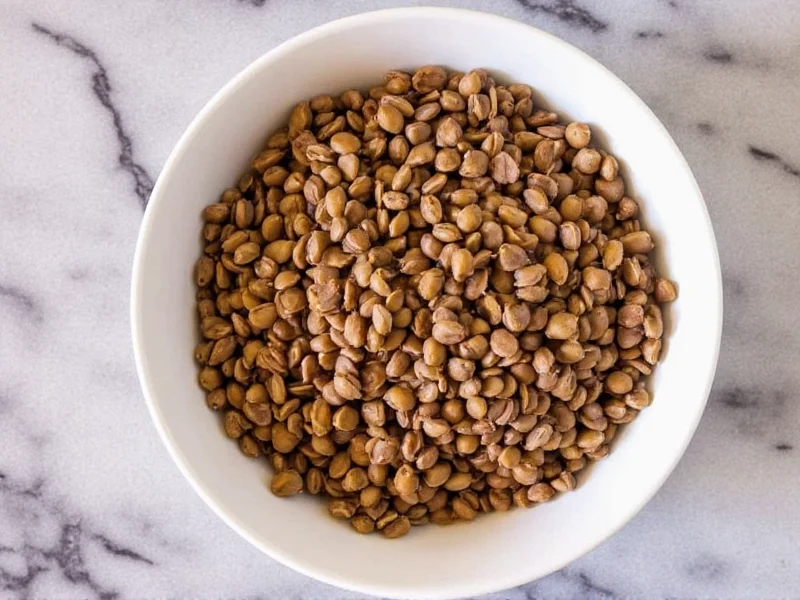
One cup (198g) of cooked lentils contains 17.9 grams of protein, while one cup (192g) of uncooked dry lentils provides approximately 44.8 grams of protein. This complete plant-based protein source offers all nine essential amino acids when combined with grains, making it an excellent choice for vegetarians, vegans, and anyone seeking high-protein plant foods.
Understanding the protein content in lentils is essential for meal planning, fitness goals, and maintaining a balanced diet. Whether you're tracking macros for muscle building, following a plant-based lifestyle, or simply curious about nutritional values, knowing how much protein is in 1 cup of lentils helps make informed dietary choices.
Protein Content in Different Lentil Varieties
While most lentil varieties offer similar protein profiles, slight variations exist between types. The following table shows protein content per 1 cup cooked serving:
| Lentil Type | Protein (per 1 cup cooked) | Calories | Fiber Content |
|---|---|---|---|
| Green/Brown Lentils | 17.9g | 230 | 15.6g |
| Red/Yellow Lentils | 17.6g | 215 | 15.3g |
| Black/Beluga Lentils | 18.1g | 225 | 16.0g |
| Puy Lentils | 17.8g | 220 | 15.8g |
Cooked vs. Uncooked: Understanding the Protein Difference
Many people confuse dry and cooked measurements when calculating protein in 1 cup lentils. This distinction matters significantly for accurate nutritional tracking:
- Dry lentils: 1 cup (192g) contains 44.8g protein and 678 calories
- Cooked lentils: 1 cup (198g) contains 17.9g protein and 230 calories
The difference occurs because lentils absorb water during cooking, expanding to about 2.5 times their original volume. When tracking your lentils protein per cup intake, always specify whether you're measuring before or after cooking to avoid miscalculating your protein consumption by more than 150%.
Quality of Lentil Protein
Lentils provide complete plant protein when combined with grains like rice or quinoa. While lentils alone don't contain all nine essential amino acids in optimal ratios, they're particularly rich in lysine (often limited in grains) while grains provide methionine (limited in legumes). This complementary protein pairing creates a complete amino acid profile comparable to animal proteins.
| Essential Amino Acid | WHO Requirement (mg/g protein) | Lentils (mg/g protein) | Comparison |
|---|---|---|---|
| Histidine | 16 | 22 | 138% of requirement |
| Isoleucine | 30 | 35 | 117% of requirement |
| Leucine | 55 | 60 | 109% of requirement |
| Lysine | 45 | 60 | 133% of requirement |
| Methionine + Cysteine | 25 | 23 | 92% of requirement |
| Phenylalanine + Tyrosine | 47 | 70 | 149% of requirement |
| Threonine | 27 | 35 | 130% of requirement |
| Tryptophan | 9 | 10 | 111% of requirement |
| Valine | 35 | 40 | 114% of requirement |
Values based on USDA FoodData Central analysis and WHO reference requirements (FAO, 2013). The slight deficiency in methionine + cysteine explains why pairing with grains creates a nutritionally complete protein profile.
Nutritionists recommend consuming lentils with whole grains within the same day to maximize protein utilization. For example, a serving of lentil soup with whole wheat bread or lentil curry with brown rice provides high-quality protein that supports muscle maintenance and repair.
Contextual Considerations: Ideal Applications and Limitations
Lentils excel in specific dietary contexts but have important boundaries. Understanding these ensures optimal integration into meal planning:
- Environmental advantage: Lentils require just 5 liters of water per gram of protein compared to beef's 59 liters, making them 12 times more water-efficient (Water Footprint Network, 2023).
- Digestive sensitivity: As high-FODMAP foods, lentils may cause discomfort in IBS sufferers. Monash University's certified guidelines recommend limiting servings to ½ cup (75g) cooked per meal during elimination phases (Monash FODMAP, 2023).
- Protein bioavailability: With a Protein Digestibility Corrected Amino Acid Score (PDCAAS) of 0.7, only 70% of lentil protein is bioavailable compared to animal proteins (PDCAAS 1.0). Athletes may need 30% larger portions to match animal protein benefits (FAO, 1991).
- Infant nutrition: Though safe to introduce after 6 months, lentils shouldn't replace breast milk or formula as primary nutrition before 12 months per American Academy of Pediatrics recommendations (AAP, 2023).
Health Benefits Beyond Protein
The nutritional value of 1 cup cooked lentils protein extends far beyond its impressive protein content. This single serving also delivers:
- Over 65% of your daily fiber needs, supporting digestive health
- Significant iron (37% DV), crucial for oxygen transport
- High folate content (90% DV), essential for cell function
- Substantial potassium (21% DV) for blood pressure regulation
- Nearly half your daily requirement of manganese for metabolism
Research shows regular lentil consumption correlates with reduced risk of heart disease, better blood sugar control, and healthy weight management. The combination of protein and fiber creates exceptional satiety, helping prevent overeating and supporting sustainable weight loss.
Practical Ways to Incorporate Lentils
Maximizing your protein per cup of lentils intake is simple with these practical suggestions:
- Meal prep staple: Cook a large batch weekly to add to salads, soups, and grain bowls
- Meat substitute: Replace half the ground meat in tacos, chili, or spaghetti sauce with lentils
- Protein boost: Stir cooked lentils into scrambled eggs or omelets
- Smooth texture: Blend cooked lentils into soups for added protein without changing flavor
- Simple side: Toss cooked lentils with olive oil, lemon juice, and herbs for a protein-rich side dish
For optimal protein absorption, consider adding vitamin C-rich foods like tomatoes or bell peppers to lentil dishes, as vitamin C enhances iron absorption from plant sources.
How Lentils Compare to Other Protein Sources
Understanding where lentils stand among other protein options helps with dietary planning. The following comparison shows protein content per 100 calories:
| Food Source | Protein (per 100 calories) | Fiber Content |
|---|---|---|
| Lentils (cooked) | 7.8g | 6.8g |
| Chicken breast | 7.5g | 0g |
| Black beans | 6.2g | 5.4g |
| Tofu | 5.5g | 1.2g |
| Almonds | 3.9g | 3.0g |
This comparison reveals that cooked lentils actually provide slightly more protein per calorie than chicken breast, while also delivering substantial fiber that animal proteins lack. This makes lentils an exceptionally efficient protein source for those watching their calorie intake while maximizing nutritional benefits.
Addressing Common Misconceptions
Several myths persist about plant proteins like lentils. Scientific evidence shows:
- Myth: Plant proteins are incomplete and inferior
Fact: While individual plant foods may lack certain amino acids, varied plant-based diets easily provide complete protein profiles - Myth: You need to combine proteins at every meal
Fact: Nutrition science shows your body maintains amino acid pools throughout the day, making same-meal pairing unnecessary - Myth: Plant proteins aren't as absorbable as animal proteins
Fact: While some plant proteins have slightly lower digestibility, proper preparation (soaking, cooking) maximizes absorption
Registered dietitians confirm that well-planned plant-based diets provide adequate protein for all life stages, including athletes and bodybuilders. The key is consuming sufficient calories from varied protein sources throughout the day.
Frequently Asked Questions
How much protein is in 1 cup of cooked lentils?
One cup (198g) of cooked lentils contains 17.9 grams of protein. This represents approximately 36% of the daily protein requirement for an average adult consuming 2,000 calories per day.
Are lentils a complete protein source?
Lentils alone don't contain all nine essential amino acids in optimal ratios, but when combined with grains like rice or wheat throughout the day, they form a complete protein profile comparable to animal proteins. This complementary protein pairing provides all essential amino acids your body needs.
How does lentil protein compare to meat protein?
Cooked lentils provide slightly more protein per calorie than chicken breast (7.8g vs 7.5g per 100 calories) while also delivering substantial fiber that meat lacks. While animal proteins typically have higher protein density by volume, lentils offer additional nutritional benefits including fiber, complex carbohydrates, and various micronutrients not found in meat.
Do I need to eat more lentils to get enough protein?
Not necessarily. While plant proteins have slightly lower digestibility than animal proteins, consuming adequate calories from varied plant sources throughout the day provides sufficient protein. Most adults need 0.8g of protein per kilogram of body weight, which can be easily achieved with 1-2 cups of cooked lentils daily as part of a balanced diet.
Does cooking affect lentil protein content?
Cooking doesn't significantly reduce lentil protein content, but it does change the concentration due to water absorption. One cup of dry lentils (44.8g protein) expands to about 2.5 cups cooked (17.9g protein per cup). The total protein remains the same, but the concentration per volume decreases as lentils absorb water during cooking.
What are lentils' main nutritional limitations?
Lentils have two primary limitations: 1) As high-FODMAP foods, they may cause digestive discomfort in sensitive individuals (limit to ½ cup cooked per meal per Monash University guidelines); 2) With a PDCAAS score of 0.7, only 70% of their protein is bioavailable compared to animal proteins, requiring larger portions for equivalent utilization.
How do lentils contribute to environmental sustainability?
Lentils require just 5 liters of water per gram of protein compared to beef's 59 liters, making them 12 times more water-efficient. They also fix nitrogen in soil, reducing fertilizer needs and improving soil health according to USDA research.




 浙公网安备
33010002000092号
浙公网安备
33010002000092号 浙B2-20120091-4