
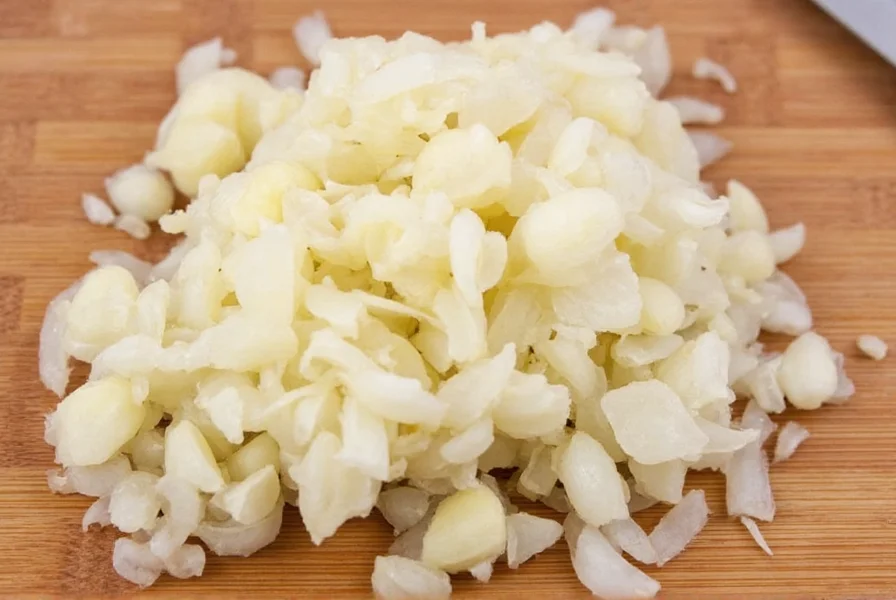
When converting fresh garlic for cooking, precise measurements matter. The standard conversion for 1 clove of garlic to minced equals about 1/2 teaspoon of freshly prepared minced garlic. However, this measurement can vary based on garlic size and preparation technique. Small cloves yield approximately 1/4 teaspoon minced, while large cloves can produce up to 3/4 teaspoon.
| Garlic Size | Whole Clove Weight | Minced Garlic Yield |
|---|---|---|
| Small | 3-5 grams | 1/4 teaspoon |
| Medium (standard) | 6-8 grams | 1/2 teaspoon |
| Large | 9-12 grams | 3/4 teaspoon |
| Jumbo | 13+ grams | 1 teaspoon |
Understanding Garlic Measurement Variables
Several factors affect the garlic clove to minced conversion accuracy. Freshly minced garlic contains air pockets that increase volume compared to pre-packaged minced garlic, which is often packed more densely. When following recipes that specify "1 clove of garlic minced," always consider these variables:
- Garlic variety - Softneck varieties typically produce smaller cloves than hardneck types
- Preparation method - Hand-minced versus food processor results in different densities
- Moisture content - Freshly minced garlic releases more liquid than jarred versions
- Packing technique - How tightly you pack measuring spoons affects final quantity
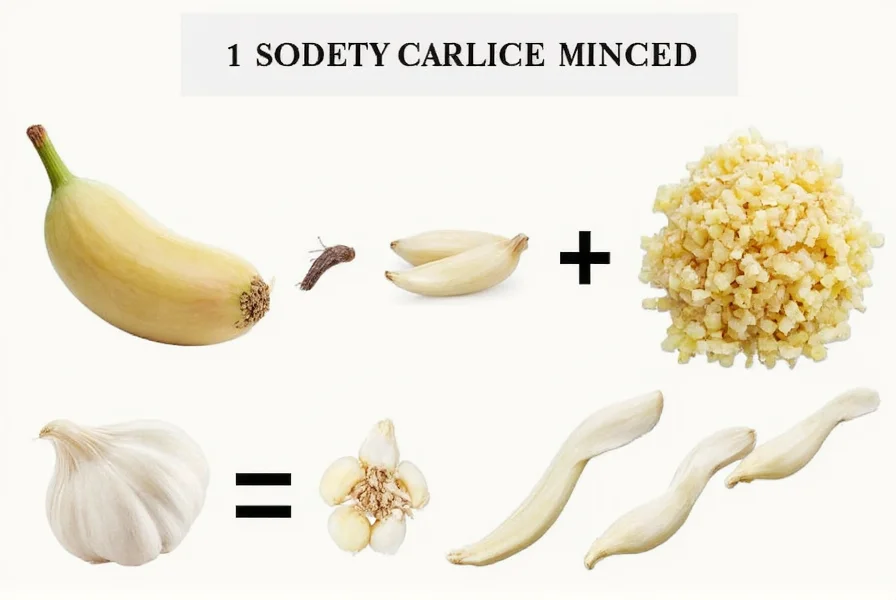
Fresh Garlic vs. Pre-Minced Products
While 1 clove of garlic to minced conversion applies to fresh preparation, store-bought minced garlic requires different considerations. Jarred minced garlic often contains preservatives and citric acid that alter both flavor and measurement. As a general rule:
- 1 fresh medium clove = 1/2 teaspoon freshly minced
- 1 fresh medium clove = 1/4 teaspoon jarred minced garlic (due to liquid content)
- 1 teaspoon garlic powder = 8 fresh cloves (for complete substitution)
Chefs consistently recommend using fresh garlic whenever possible, as pre-minced products lose volatile compounds that provide garlic's characteristic aroma and complex flavor profile within hours of preparation.
Practical Measurement Techniques
For accurate garlic measurement equivalents in your cooking, follow these professional techniques:
- Peel properly - Use the flat side of a knife to loosen skins without damaging cloves
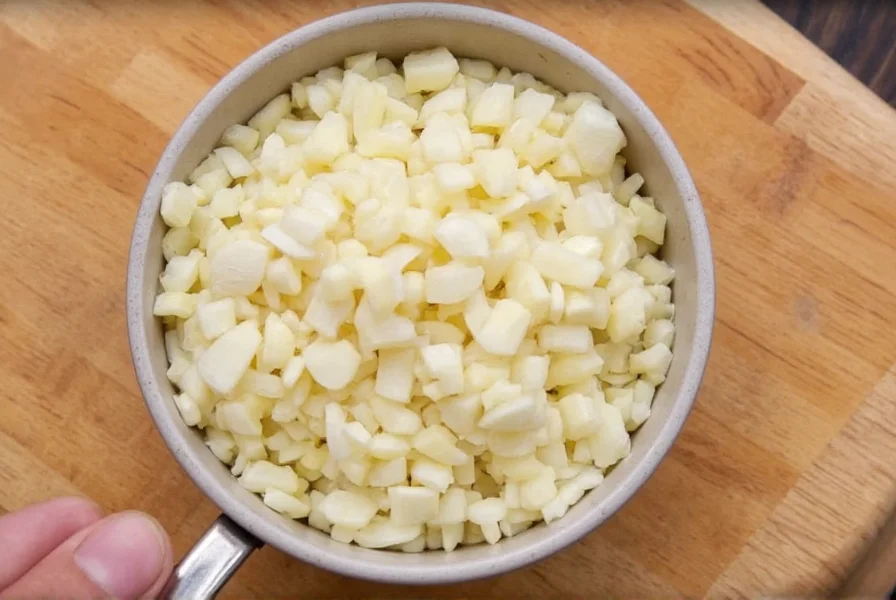
- Minced consistency matters - Finely minced garlic (1/16 inch pieces) provides standard measurement
- Measure correctly - Spoon minced garlic into measuring spoons without packing
- Adjust for recipe type - Increase measurements for long-cooking dishes where flavor mellows
When substituting in recipes calling for "minced garlic" without specifying fresh or jarred, assume fresh preparation unless otherwise noted. This garlic clove to teaspoon conversion knowledge prevents common seasoning mistakes that can ruin otherwise perfect dishes.
When Precision Matters Most
Certain culinary applications demand exact garlic measurement conversions. In delicate sauces, aiolis, and vinaigrettes where garlic flavor dominates, even 1/8 teaspoon differences affect the final product. For these applications:
- Use a digital kitchen scale for critical recipes (1 medium clove = 6g)
- Consider garlic age - older bulbs yield stronger flavor per volume
- Adjust for dish temperature - cold preparations require more garlic
- Remember that roasting whole cloves reduces intensity by 30-40%
Understanding these nuances transforms the simple question of "how much minced garlic equals one clove" from a basic conversion to a sophisticated culinary technique that elevates your cooking precision.




 浙公网安备
33010002000092号
浙公网安备
33010002000092号 浙B2-20120091-4