
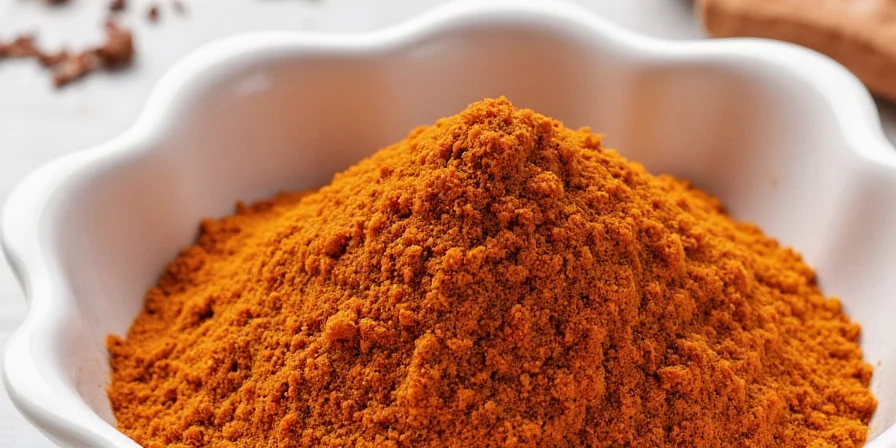
Tikki Marsala: The Ultimate Guide to Flavor-Filled Fusion
Hey fellow spice enthusiasts! Ever wondered how to take your Tikki Marsala from "meh" to "mind-blowing"? Well, you're in the right place. This isn't just another recipe rundown—it's a deep dive into the bold, the bizarre, and the beautifully balanced world of Innovative Spice Pairings. Whether you're a seasoned chef or someone who can barely boil water without setting off the smoke alarm, this guide has something for you.
Table of Contents
- What Exactly Is Tikki Marsala Anyway?
- Why Spice Pairings Matter (And How They Can Save Your Curry)
- The Top 7 Innovative Spice Combos for Tikki Marsala
- How to Incorporate These Flavors Like a Pro
- Bonus Tips & Tricks for Perfect Tikki Every Time
- FAQs: Because We Know You’re Curious
What Exactly Is Tikki Marsala Anyway?
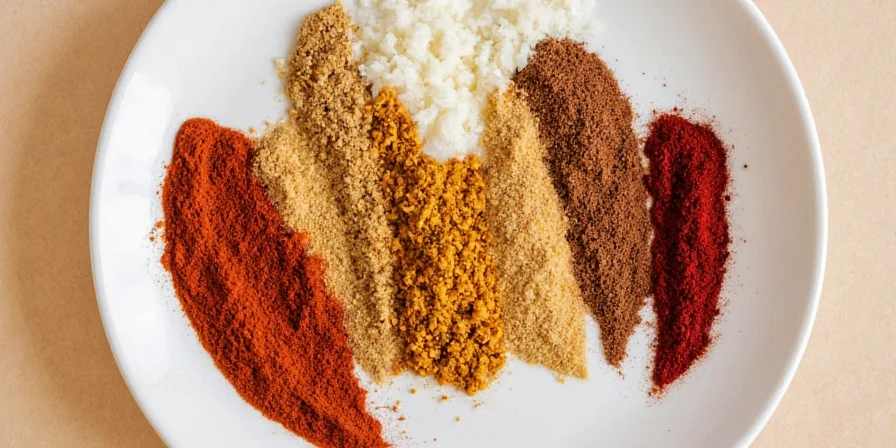
A classic plate of Tikki Marsala—flaky, spicy, and oh-so-satisfying.
Tikki Marsala is one of those dishes that sits comfortably at the intersection of street food and comfort cuisine. It features crispy, pan-fried potato patties (known as tikkis) bathed in a rich, spiced tomato-based gravy called Marsala. Traditionally, it’s flavored with garam masala, ginger, garlic, and green chilies—but what if we told you there’s more than one way to spice up your tikki?
Why Spice Pairings Matter (And How They Can Save Your Curry)
Spices aren’t just about heat—they’re about harmony. Each spice brings its own flavor profile, aroma, and texture. The key is balance. Think of your dish like an orchestra; each spice is an instrument. If one is too loud or missing entirely, the whole performance falls flat.
Pro Tip:
Use a spice wheel to visualize flavor profiles—smoky, sweet, bitter, salty, sour, and umami—to find unexpected yet complementary combinations.
The Top 7 Innovative Spice Combos for Tikki Marsala
We’ve scoured kitchens, markets, and even some questionable YouTube comments to bring you the most exciting and effective spice pairings for your Tikki Marsala. Here’s our curated list:
| Spice Combo | Flavor Profile | Best For | How to Use |
|---|---|---|---|
| Cumin + Sumac | Earthy + Tangy | Those who love citrusy zing | Add ½ tsp of each to the base curry sauce |
| Fennel Seeds + Smoked Paprika | Sweet + Smoky | Meat-eaters and mushroom lovers | Dry roast fennel first, then blend with paprika |
| Nigella Seeds + Chili Flakes | Onion-like + Fiery | Texture seekers | Temper seeds in oil before adding onions |
| Garam Masala + Star Anise | Warm + Herbal | Deep flavor junkies | Crush star anise slightly before mixing |
| Coriander + Za’atar | Grassy + Herbaceous | Herb lovers | Stir into the final dish before serving |
| Mace + Cardamom | Delicate + Fragrant | Delicate palates | Use sparingly in the tikki mixture |
| Mustard Seeds + Gochugaru | Pungent + Spicy-Sweet | Korean fusion fans | Temper mustard seeds, sprinkle gochugaru on top |
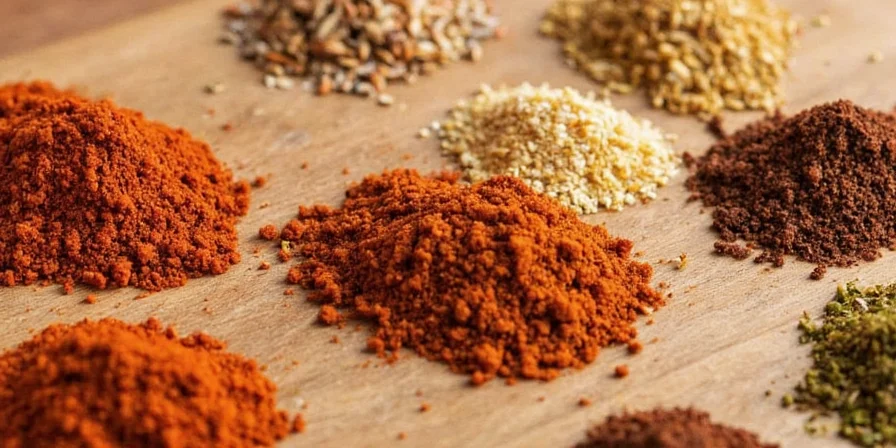
Visual guide to our top spice combos—printable and fridge-worthy!
How to Incorporate These Flavors Like a Pro
You don’t need a Michelin star to work these spices into your Tikki Marsala. Follow these steps for maximum impact:
- Toasting: Always toast whole spices like cumin seeds or fennel to unlock their essential oils. Just 30 seconds in a dry pan makes a world of difference.
- Layering: Add different spices at different stages—temper early, sprinkle fresh herbs late.
- Balancing: Counterbalance heat with sweetness (like a pinch of sugar), acid (lemon juice), or dairy (yogurt swirl).
- Testing: Taste as you go. Adjust salt, spice, and tanginess according to your palate.
- Resting: Let your dish sit for 5–10 minutes after cooking. This allows flavors to meld together beautifully.
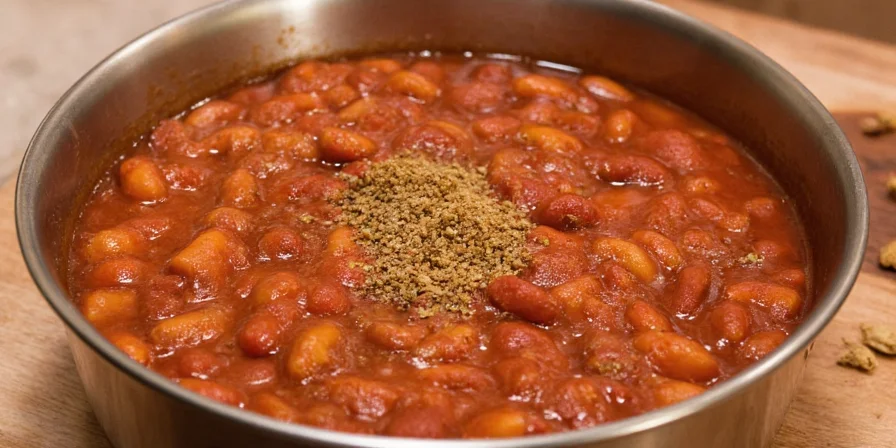
Toast your spices like you mean it—this is where the magic happens.
Bonus Tips & Tricks for Perfect Tikki Every Time
- Egg-Free Binders: No eggs? No problem. Use mashed chickpeas, breadcrumbs, or cornstarch slurry to bind your tikkis.
- Preventing Sogginess: Chill the tikki mixture for 20 minutes before frying. This helps them hold shape better and fry crispier.
- The Double Fry Trick: Fry once on medium, rest, then fry again on high. Extra crispy exterior, soft center—chef’s kiss.
- Spice Infused Oil: Infuse your frying oil with crushed garlic, curry leaves, or chili for extra depth of flavor.
- Serving Suggestions: Garnish with fresh mint, coriander, or a dollop of spiced yogurt. Presentation matters—even for street food.
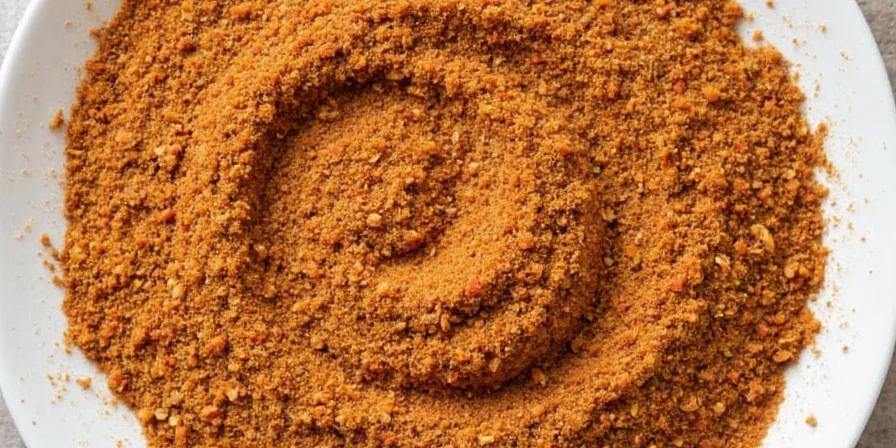
Elevate your presentation game with a quick garnish boost.
FAQs: Because We Know You’re Curious
Can I use pre-ground spices instead of whole ones?
Absolutely! While freshly ground spices do offer superior flavor, pre-ground is totally fine for convenience. Just store them properly and replace every 6 months for best results.
Is Tikki Marsala vegetarian?
Yes! At its core, Tikki Marsala is vegan-friendly (unless you fry the tikkis in animal fat). Feel free to substitute ghee with coconut oil or vegetable oil for a plant-based version.
How long does Tikki Marsala last in the fridge?
Up to 3–4 days in an airtight container. Reheat gently on the stovetop for best texture. Tikkis are best made fresh, but you can prep the curry ahead and fry the tikkis when ready to serve.
What protein can I add to make it heartier?
Try paneer cubes, tofu chunks, chickpeas, or even shredded cooked chicken. Just add them into the curry towards the end so they warm through without falling apart.
Can I freeze Tikki Marsala?
You can freeze the curry part easily, but avoid freezing the tikkis—they’ll get soggy. Freeze separately and assemble when reheating.
Final Thoughts: Spice Up Your Life, One Tikki at a Time
There you have it—a flavorful journey through the art of innovative spice pairings for Tikki Marsala. Whether you're experimenting with sumac or going full smoky with paprika, the goal is to play, explore, and enjoy. Don’t be afraid to get creative in the kitchen. After all, great flavors come from brave decisions.
Now go forth, grab your spices, and let your taste buds lead the way. And remember—if your Tikki doesn’t turn heads, did it really happen?
Got a favorite spice combo we didn’t mention?
Drop it in the comments below! Let’s keep this conversation hot—literally.




 浙公网安备
33010002000092号
浙公网安备
33010002000092号 浙B2-20120091-4