
Spice Up Your Scoop: 7 Unexpected Spice Pairings for Pistachio Ice Cream (That Actually Work!)
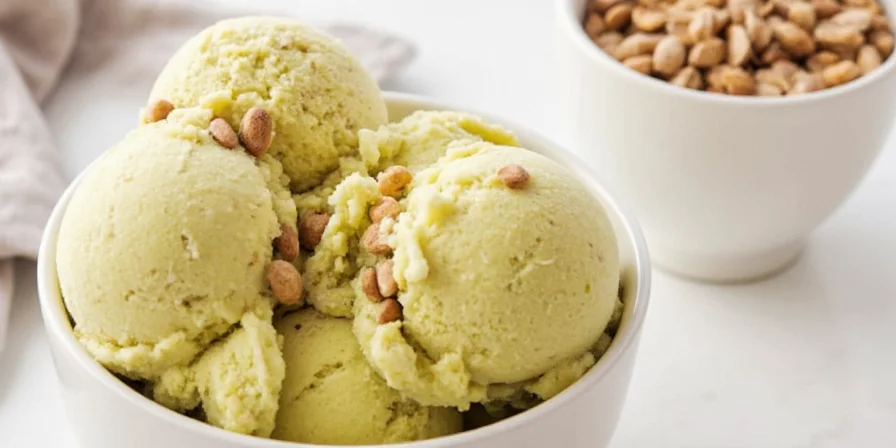
When you think of pistachio ice cream, what comes to mind? Creamy green swirls, delicate nutty notes, maybe a hint of vanilla and maraschino cherry? Classic? Sure. Boring? Not if we have anything to say about it.
In this article, we’re diving into the world of Innovative Spice Pairings that will take your homemade pistachio ice cream from “meh” to “mind-blowing.” Whether you're a spice connoisseur or just curious enough to experiment with your pantry, these flavor hacks are worth every sprinkle.
Table of Contents
- Why Pistachio Is the Perfect Canvas
- The Top 7 Spice Pairings for Pistachio Ice Cream
- The Science Behind Spice & Sweetness
- How to Incorporate Spices into Your Homemade Ice Cream
- Pro Tips for Flavor-Balancing Like a Boss
- Bonus Recipes & Variations
- Conclusion
Why Pistachio Is the Perfect Canvas
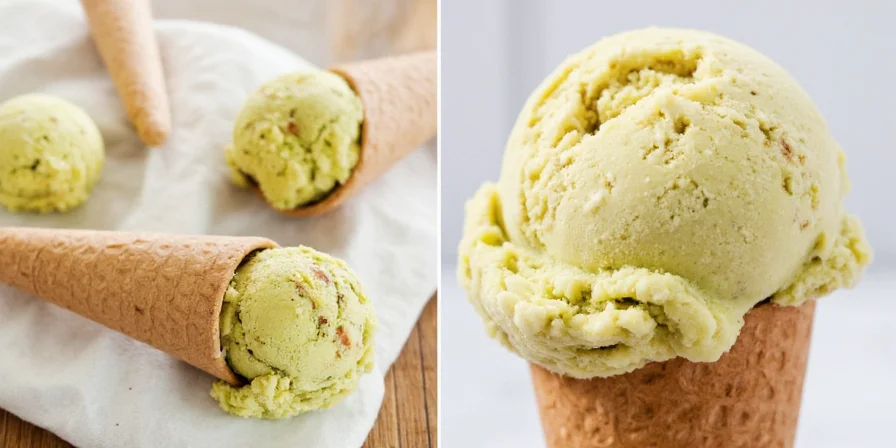
If pistachio were a person, it would be that effortlessly cool friend who gets along with everyone. Nutty? Check. Earthy? Check. Slightly sweet but not cloying? Double check. That’s why pistachio makes the perfect foundation for some seriously creative spice layering.
Pistachios naturally carry earthy and mildly grassy notes—think herbs, spices, and warm undertones that play well with more robust flavors. In short, they're not shy. But they also won’t overpower subtler ingredients, making them a dream to experiment with.
The Top 7 Spice Pairings for Pistachio Ice Cream
Ready to turn up the heat? Here are our top 7 innovative spice pairings that bring depth, contrast, and wow-factor to pistachio ice cream:
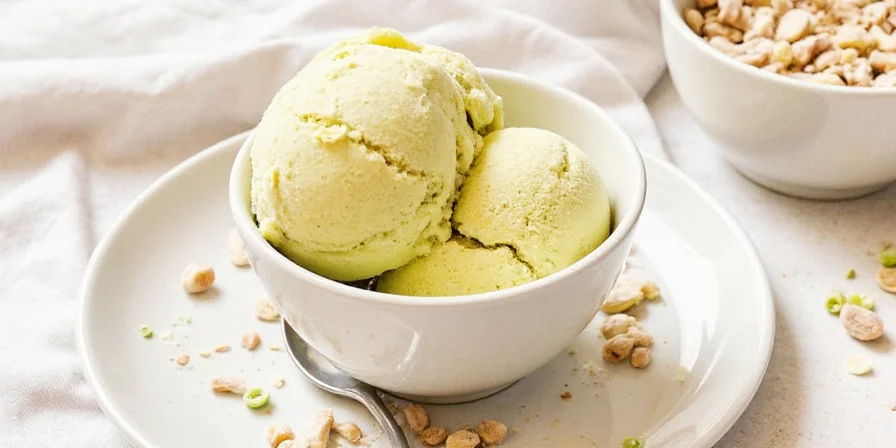
- Rosewater + Cardamom: A Middle Eastern classic that brings floral sweetness and aromatic warmth.
- Saffron + Orange Zest: Luxurious and fragrant, perfect for an elevated dessert vibe.
- Cayenne Pepper: A little kick for a grown-up twist on a childhood favorite.
- Star Anise: Licorice-like flavor that adds a bold edge without overwhelming the base.
- Fennel Seeds (Toasted & Ground): Adds a subtle anise note that complements pistachios’ natural sweetness.
- Pink Himalayan Salt: Enhances all the other flavors while balancing the richness.
- Nutmeg: Warm, woody, and comforting – especially great in cold weather versions.
| Spice | Flavor Profile | Best For |
|---|---|---|
| Rosewater + Cardamom | Floral, aromatic, slightly sweet | Elegant desserts, Middle Eastern flair |
| Saffron + Orange Zest | Luxurious, citrusy, exotic | Special occasions, luxury vibes |
| Cayenne Pepper | Spicy, sharp, contrasting | Grown-up treats, adventurous palates |
| Star Anise | Strong, licorice-like | Wintery versions, savory balance |
| Fennel Seed | Mildly sweet, anise-like | Better with fruit or honey additions |
| Pink Himalayan Salt | Earthy, savory, enhancing | Anytime salted-sweet cravings |
| Nutmeg | Warm, woody, nostalgic | Autumn-inspired desserts |
The Science Behind Spice & Sweetness
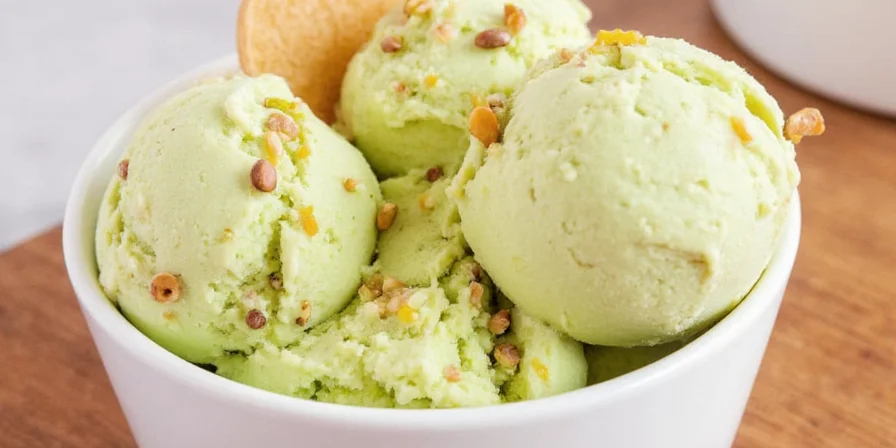
You might wonder why some spices work so well with sweet bases like pistachio ice cream. The answer lies in how our taste buds perceive flavor—and it's more chemistry than you’d expect.
Cardamom, for example, contains compounds like cineole and limonene that mimic the bright, citrusy notes found in fruits and flowers. This makes it a perfect match for sweet and creamy bases. Similarly, cayenne pepper triggers heat receptors that make the brain pay extra attention to the underlying sweetness, creating a dynamic interplay between hot and sweet.
And let’s not forget the role of salt. It suppresses bitterness and enhances sweetness by modulating the perception of certain flavor molecules. So yes, sprinkling a bit of sea salt on top isn’t just a trend—it’s science-approved!
How to Incorporate Spices into Your Homemade Ice Cream
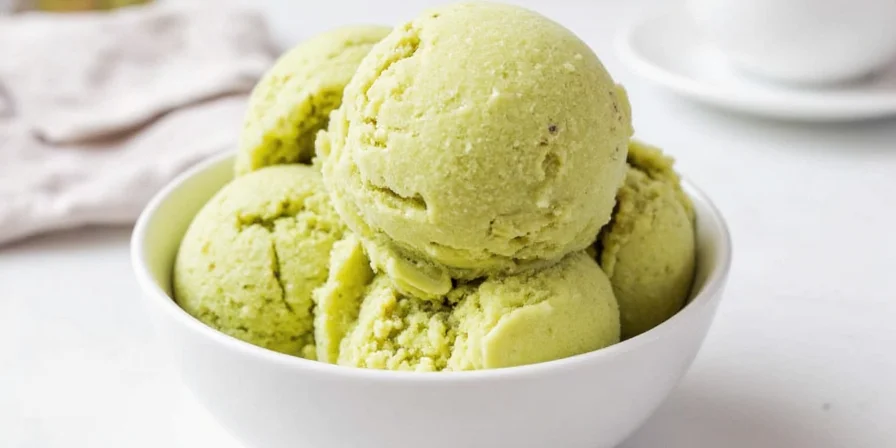
So you’ve picked your dream spice pairing. Now what?
Here’s how to add spices like a pro:
- Dry spices (like cardamom or nutmeg): Grind them finely before adding to ensure even distribution. Mix into the custard base before chilling.
- Liquids (like rosewater or saffron steeped in milk): Add during the final stages of mixing, just before churning. These are volatile and can lose potency when overmixed or overheated.
- Whole spices (like star anise or fennel seeds): Toast them lightly, crush gently, and infuse into warm cream for 20–30 minutes before straining and proceeding with the base.
- Salt: Use fine-grained varieties and fold in at the end to avoid dissolving too quickly.
- Heat-based spices (cayenne): Start with a tiny pinch—remember, you can always add more!
Pro Tips for Flavor-Balancing Like a Boss
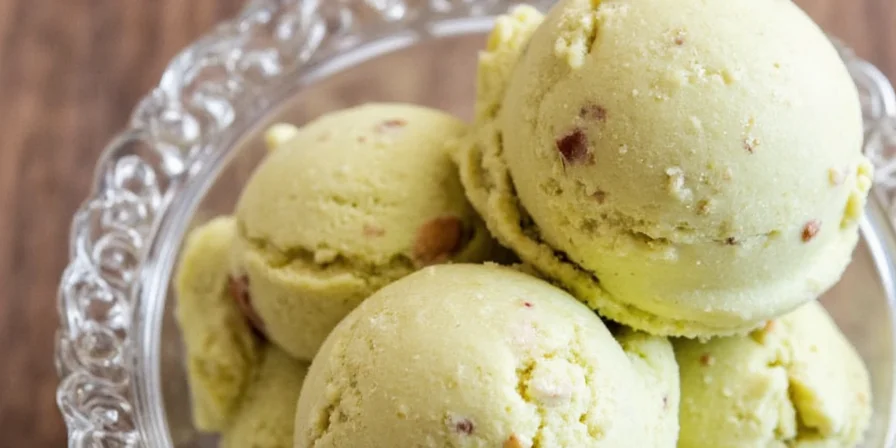
To truly master spice-infused ice cream, here are some tried-and-tested tips from our kitchen to yours:
- Start Small: Especially with strong spices like cayenne or saffron. You can always adjust upward, but once added, there’s no going back.
- Taste as You Go: Make sure to taste your base before freezing. Cold dulls flavor intensity, so season accordingly.
- Pair with Complementary Textures: Think toasted nuts, crunchy brittle, or chewy dried fruits to contrast the creamy texture.
- Balance Sweetness: If using very sweet mix-ins (like candied ginger or dates), reduce sugar in the base slightly.
- Layer Flavors: Infuse one layer of the container with a spiced version, then alternate with a plain or differently flavored scoop for visual and taste contrast.
Bonus Recipes & Variations
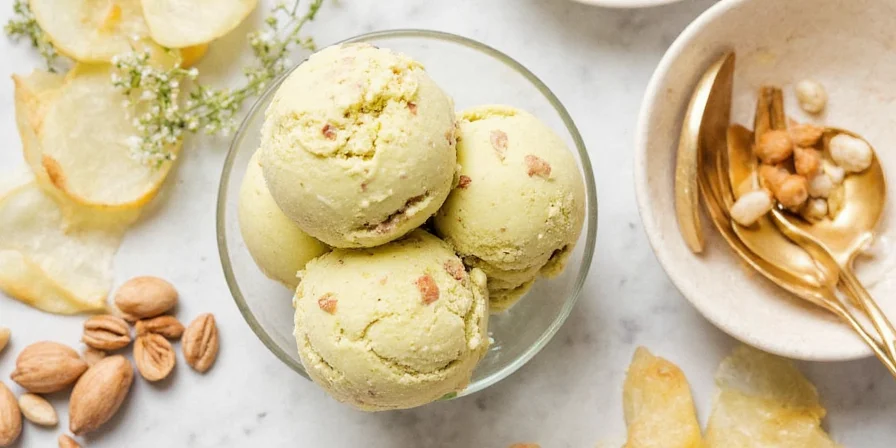
Want to get fancy? Try one of these bonus combos:
- Rosewater + Cardamom + Toasted Pistachios + Honey Drizzle
- Saffron + Orange Zest + Candied Citrus Peel
- Cayenne + Dark Chocolate Chunks + Sea Salt
- Nutmeg + Maple Syrup + Pecan Brittle
- Fennel + Dried Apricot + Almond Nibs
Conclusion
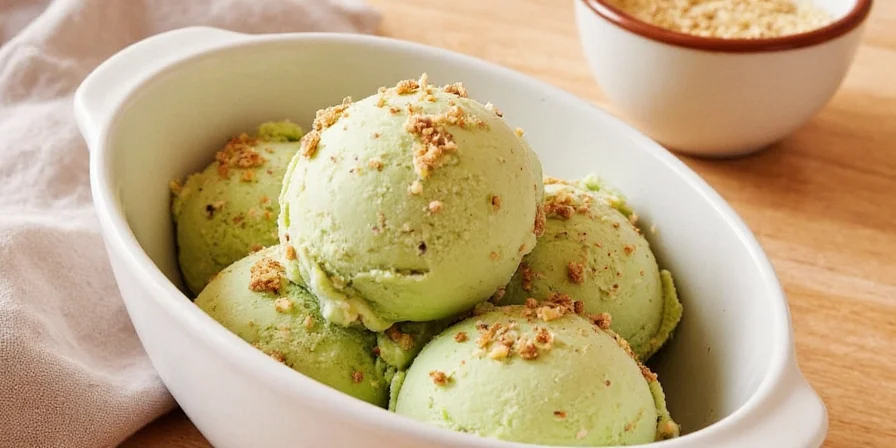
Pistachio ice cream doesn’t have to live in the shadow of vanilla or chocolate. With a few clever spice pairings and some culinary curiosity, you can elevate it into something truly special.
Whether you’re impressing guests at your next dinner party or simply upgrading your late-night snack routine, don’t be afraid to experiment with unexpected spices. After all, flavor is all about exploration—and who better to lead the way than you?
Now go forth, grab that spice rack, and start scooping like a flavor alchemist. 🧪🍨




 浙公网安备
33010002000092号
浙公网安备
33010002000092号 浙B2-20120091-4