
Ribs Wrapped in Foil: The Unexpected Spice Combos That’ll Blow Your Oven Away!
If you’ve ever cooked foil wrapped ribs in the oven, you know that magic happens when heat, moisture, and spices unite under a shiny aluminum blanket. But what if we told you that your standard BBQ rub might just be scratching the surface of flavor? It’s time to shake up your rib game with some truly Innovative Spice Pairings!
This isn’t your grandma’s Sunday roast (unless she’s secretly a spice wizard). Whether you’re a pro chef or a curious weekend griller-in-foil, this article is packed with creative combinations and foolproof techniques to take your foil-wrapped ribs from good to legendary.
Table of Contents
- Why Foil Wrapping Works for Ribs
- Classic vs. Innovative Spice Pairings
- 5 Game-Changing Spice Pairings for Foil-Wrapped Ribs
- Step-by-Step Guide to Foil-Wrapped Ribs
- Pro Tips & Tricks for Juicy Results
- Frequently Asked Questions
- Conclusion
Why Foil Wrapping Works for Ribs
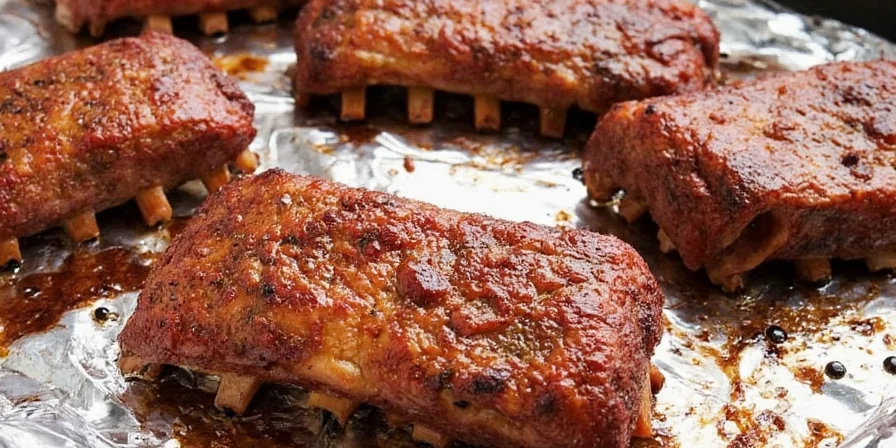
Foil wrapping may seem like a shortcut, but it’s actually a scientifically sound method for tenderizing tough cuts like pork ribs. By trapping steam and heat, foil creates a mini convection oven inside your real oven—resulting in fall-off-the-bone tenderness without hours of babysitting.
It also gives your spices more time to infuse into the meat, rather than sitting on top. The result? Deep, even flavor from edge to bone.
Classic vs. Innovative Spice Pairings
| Classic Rubs | Innovative Pairings |
|---|---|
| BBQ Dry Rub (Brown Sugar, Paprika, Garlic, Chili Powder) | Citrus & Herb Explosion (Lemon Zest, Dill, Garlic, White Pepper) |
| Mexican-Inspired (Cumin, Oregano, Chili Flakes) | Tropical Twist (Coconut Flakes, Lime Zest, Jamaican Jerk Seasoning) |
| Korean BBQ Fusion (Gochujang, Sesame Oil, Ginger) | East-West Harmony (Szechuan Peppercorns, Rosemary, Soy Glaze) |
5 Game-Changing Spice Pairings for Foil-Wrapped Ribs
-
1. Spicy Honey-Ginger Kick
Sweet meets heat in this bold fusion. Mix:
- 2 tbsp honey
- 1 tbsp fresh ginger paste
- 1 tsp crushed red pepper
- 1 tsp garlic powder
This combo caramelizes beautifully during baking, creating a glaze that clings to every groove in the ribs.
A sweet and spicy glaze that sticks like a hug. -
2. Mediterranean Magic: Lemon, Thyme & Fennel
Bring coastal vibes to your kitchen with this aromatic blend:
- Zest of 1 lemon
- 2 tbsp fresh thyme leaves
- 1 tbsp ground fennel seeds
- 1 tsp garlic powder
Light, fragrant, and perfect for summer oven roasts. Serve with tzatziki for an extra zing!
-
3. Smoky Maple & Bourbon
For those who like their ribs with a little drama:
- 2 tbsp maple syrup
- 1 tbsp bourbon (or water for non-alcoholic version)
- 1 tsp smoked paprika
- ½ tsp cinnamon
The warmth of bourbon and maple plays perfectly with smoky spices, giving your foil-wrapped ribs a rich, earthy depth.
-
4. Thai-Inspired Lemongrass & Chili
Infuse your ribs with Southeast Asian flair using:
- 1 stalk lemongrass, finely chopped
- 1 red chili, minced
- 1 tbsp fish sauce
- 1 tsp palm sugar or brown sugar
Wrap it all in foil and let the flavors meld into something exotic and unforgettable.
Exotic, tangy, and slightly spicy Thai flavor profile. -
5. Curry Coconut Comfort
Take your taste buds to India with this creamy dreamy mix:
- 1 tbsp curry powder
- 2 tbsp coconut milk
- 1 tsp turmeric
- 1 tsp garam masala
The natural fats in the coconut help carry the spices deep into the meat, resulting in a complex, soothing dish.
Step-by-Step Guide to Foil-Wrapped Ribs
- Choose Your Cut: Baby back ribs or spare ribs both work well, but baby backs are more tender and cook faster.
- Trim Excess Fat: A little fat adds flavor, but too much can become chewy. Trim uneven edges.
- Dry Brine (Optional): Salt the ribs and refrigerate overnight for deeper seasoning.
- Apply Spice Blend: Make sure to coat both sides generously. Don’t be shy!
- Wrap in Foil: Use heavy-duty aluminum foil. Double-layer to prevent leaks.
- Bake at 300°F (150°C) for 2–2.5 hours. Flip halfway through for even cooking.
- Unwrap and Broil (Optional): For a charred finish, brush with sauce and broil for 3–5 minutes per side.
Pro Tips & Tricks for Juicy Results
- Add Liquid: Pour a splash of apple juice, broth, or beer into the foil packet before sealing to boost moisture and flavor.
- Don’t Overcook: Set a timer and check the ribs around the 2-hour mark. No one likes mushy meat!
- Rest Before Serving: Let the ribs sit for 10 minutes after unwrapping so juices redistribute evenly.
- Experiment with Layers: Try layering thinly sliced onions, garlic cloves, or citrus slices under the ribs in the foil packet for extra aroma.
- Try a Two-Tier Flavor Attack: Marinate the ribs overnight, then add a second spice rub right before wrapping and baking.
Frequently Asked Questions
Can I cook foil-wrapped ribs on the grill instead?
Absolutely! Just wrap them tightly and place directly over medium-low heat. Keep an eye on the temperature and flip occasionally.
How do I know when my ribs are done?
The bones should pull away easily from the meat. If not, re-wrap and cook another 15–20 minutes.
Can I freeze foil-wrapped uncooked ribs?
You betcha! Assemble the foil packets ahead, freeze them, and pop them straight into the oven later—just add 20–30 minutes to the cook time.
What’s the best sauce to pair with innovative spice blends?
Match the theme! Citrus-based sauces for herb combos, mango chutney for curry, or sriracha mayo for Thai-inspired blends.
Conclusion
Who knew that foil wrapped ribs in the oven could be such a playground for spice innovation? With these five daring pairings and expert tips, you’re now armed with everything you need to make your next rib night unforgettable.
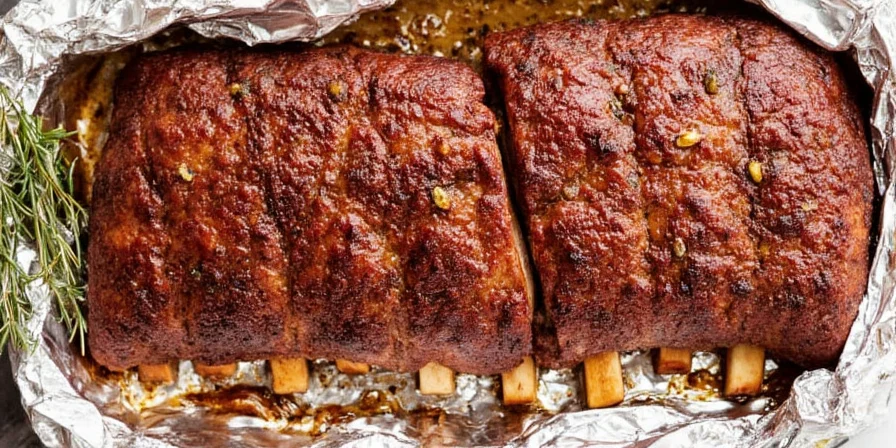
So fire up that oven, grab your favorite spices, and don’t be afraid to think outside the rub. After all, great flavor starts where curiosity ends—and with these tricks, your ribs will never be boring again.




 浙公网安备
33010002000092号
浙公网安备
33010002000092号 浙B2-20120091-4