
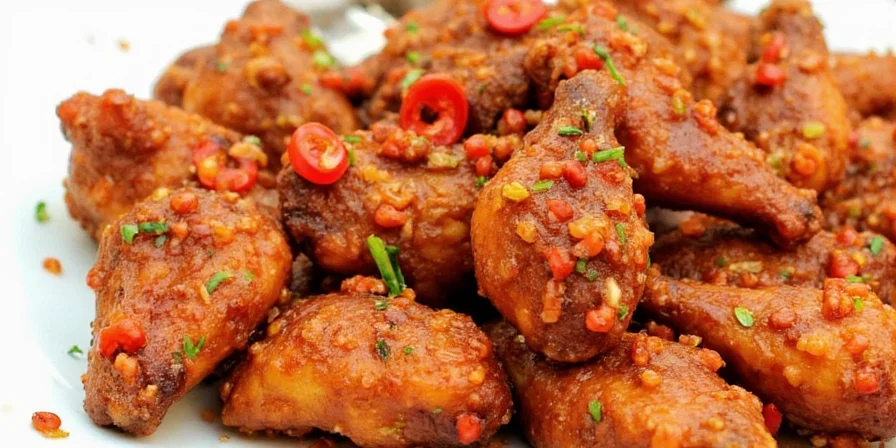
5 Unexpected Spice Pairings That Will Take Your Sweet Thai Chili Wings to the Next Level
Description:
Sweet Thai Chili Wings have become a staple in modern cuisine—perfectly crispy, slightly sticky, and packing just the right amount of heat. But what if you could elevate this already addictive dish with some creative spice pairings? In this article, we'll explore five bold yet balanced flavor combinations that will make your taste buds dance and leave your guests begging for more.
Table of Contents
- The Magic Behind Sweet Thai Chili Wings
- Pairing #1: Smoky Paprika – Adding Depth to the Heat
- Pairing #2: Toasted Sesame Seeds – Crunch Meets Flavor
- Pairing #3: Crushed Coriander Seeds – A Citrusy Surprise
- Pairing #4: Ground Cumin – Earthy Complexity
- Pairing #5: Lemon Zest – Brightening Up the Richness
- Visual Spice Pairing Comparison Table
- Pro Tips for Perfect Spiced Sweet Thai Chili Wings
- Conclusion
The Magic Behind Sweet Thai Chili Wings

Before diving into the spicy upgrades, let’s take a moment to appreciate the original charm of Sweet Thai Chili Wings. With their sweet glaze, tangy undertone, and mild kick, these wings are a perfect canvas for experimenting with new flavors.
Traditionally made with ingredients like fish sauce, garlic, honey, and fresh Thai chilies, they offer a balance between salty, sweet, and spicy. But here’s the thing—they don’t have to stay traditional!
Pairing #1: Smoky Paprika – Adding Depth to the Heat

If you want to add depth without cranking up the fire level, smoked paprika is your secret weapon. It brings a rich, smoky note that complements the sweetness of the glaze while giving the dish a mysterious, barbecue-like edge.
- Add about ½ tsp of smoked paprika to your dry rub or sprinkle it on top after baking.
- Try pairing it with a side of cooling Greek yogurt dip to balance the flavors.
Pairing #2: Toasted Sesame Seeds – Crunch Meets Flavor
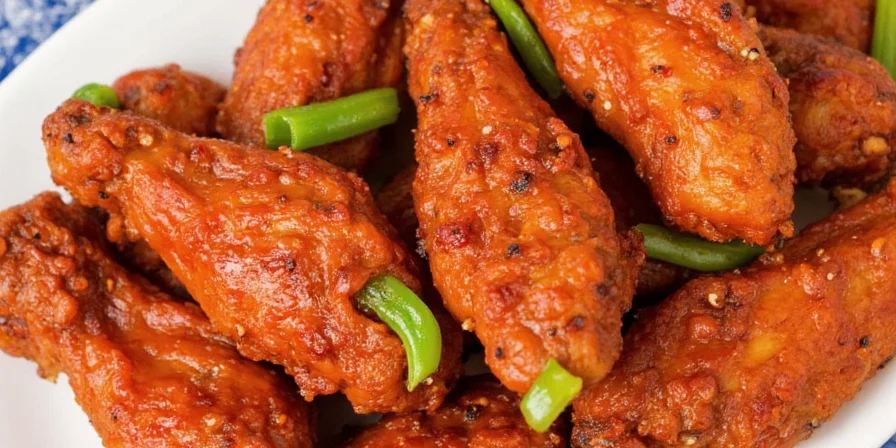
For a delightful textural contrast and a subtle nutty flavor, toasted sesame seeds are a must-try. They’re not only visually appealing but also enhance the umami profile of your wings.
- Sprinkle them over the wings right before serving.
- You can even mix them into the sauce for an integrated crunch.
Pairing #3: Crushed Coriander Seeds – A Citrusy Surprise
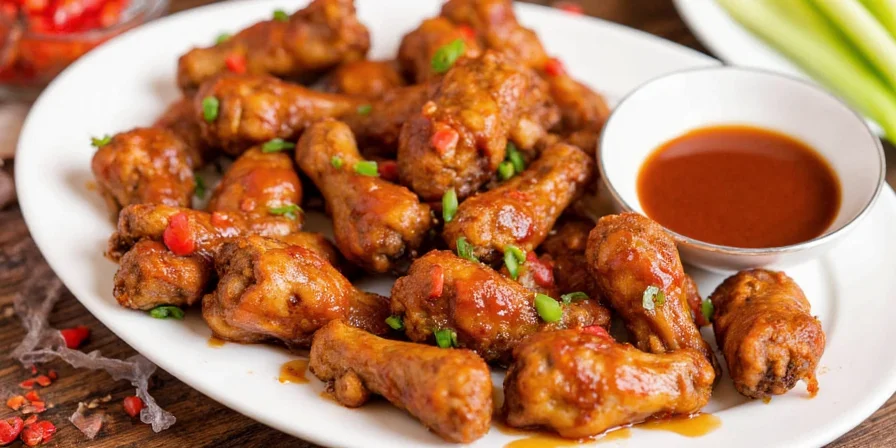
Crushed coriander seeds bring a bright, citrus-forward flavor that lifts the entire dish. When lightly toasted and ground, they create a unique aromatic layer that works surprisingly well with the heat of Thai chili.
- Toast 1 tsp of coriander seeds in a dry pan until fragrant.
- Grind them finely and mix into your wing seasoning blend.
Pairing #4: Ground Cumin – Earthy Complexity

Who knew cumin could be the hidden hero of Sweet Thai Chili Wings? Its earthy warmth balances the sweetness beautifully and adds a Middle Eastern twist to an otherwise Southeast Asian-inspired dish.
- Use ¼ tsp of ground cumin in your marinade or rub.
- Perfect when paired with a cool cucumber raita on the side.
Pairing #5: Lemon Zest – Brightening Up the Richness
A little lemon zest goes a long way in cutting through the richness of the sweet glaze. It doesn't overpower; instead, it enhances every other flavor on the plate by making them feel more vibrant and alive.
- Rub the zest of half a lemon onto the wings before tossing in sauce.
- Or garnish with lemon zest just before serving for a refreshing aroma.
Spice Pairing Comparison Table
| Spice | Flavor Profile | Boldness Level (1–10) | Texture Impact | Best For |
|---|---|---|---|---|
| Smoked Paprika | Smoky, Slightly Sweet | 6 | Mild (adds visual interest) | Those who enjoy barbecue flavors |
| Toasted Sesame Seeds | Nutty, Umami | 4 | High (crunchy texture) | Adding crunch and visual appeal |
| Crushed Coriander Seeds | Citrusy, Floral | 5 | Moderate (aromatic bite) | Floral lovers looking for complexity |
| Ground Cumin | Earthy, Warm | 7 | Low (no texture change) | Adding depth and spice kick |
| Lemon Zest | Fresh, Bright | 3 | Low (only aroma and flavor enhancement) | Refreshing palate cleanser |
Pro Tips for Perfect Spiced Sweet Thai Chili Wings
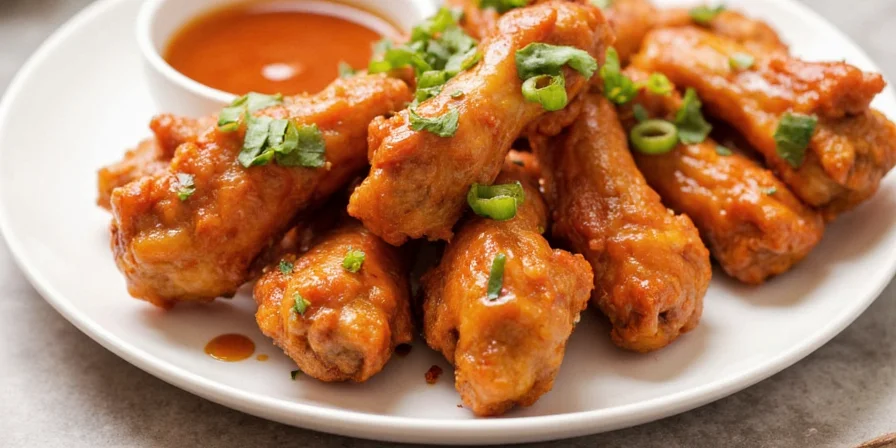
Now that you’ve got the best spice pairings at your fingertips, here are a few pro tips to make sure your wings turn out perfectly crispy and bursting with flavor:
- Dry Them Out: Pat the chicken wings dry before baking or frying. This helps achieve maximum crispiness.
- Double Baking: Bake once at 350°F (175°C) for 30 minutes, then increase to 425°F (220°C) for 10–15 minutes for extra crispiness.
- Glaze Timing: Toss the wings in sauce after they’re fully cooked. If you apply the sauce too early, it might burn.
- Resting Time: Let the wings rest for 5 minutes after saucing so the coating sets properly.
- Spice Timing: Add spices before baking for deeper penetration or after for a fresher finish.
Conclusion
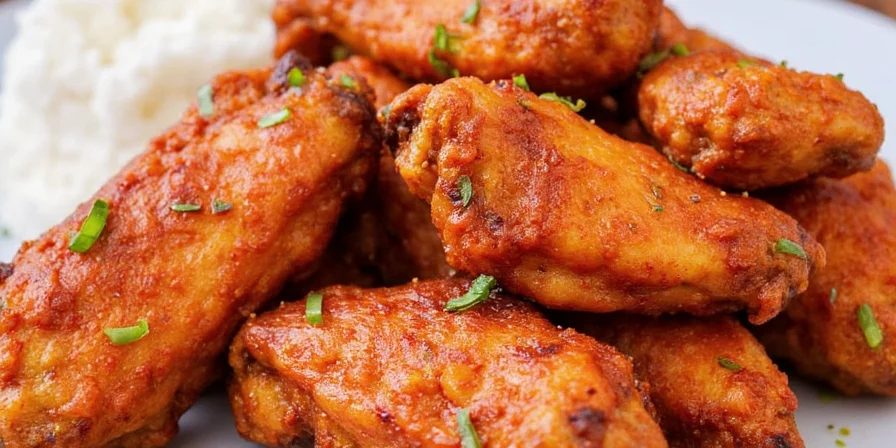
Sweet Thai Chili Wings are already a crowd favorite—but with the right spice pairings, they can become the star of any meal. Whether you're hosting a game night or just spicing up dinner for two, these innovative combinations bring new life to an old classic.
From the smokiness of paprika to the brightness of lemon zest, each spice offers something unique. And remember, the best part about cooking is experimentation. Don’t be afraid to mix and match or even create your own signature spice blend!
So go ahead, grab those wings, get creative with your spice rack, and let the flavor explosion begin.




 浙公网安备
33010002000092号
浙公网安备
33010002000092号 浙B2-20120091-4