
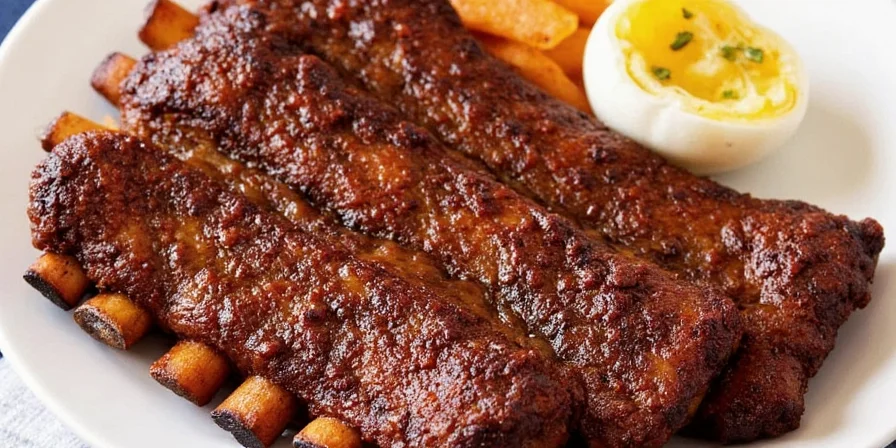
10 Unexpected Spice Pairings That Will Revolutionize Your Slow Oven Baked Spare Ribs
If you’ve ever pulled a tray of slow oven baked spare ribs out of the oven and felt that something was missing—just a *hint* of surprise, a dash of curiosity in every bite—then this article is your flavor-packed salvation.
We’re diving deep into the world of Innovative Spice Pairings, unlocking bold new flavors for your classic rib recipe. Whether you're a seasoned pitmaster or a weekend warrior with tongs and ambition, these spice combos will elevate your ribs from "meh" to "mind-blowing."
Table of Contents
- Why Spice Matters
- Essential Techniques for Slow Oven Baked Ribs
- The Top 10 Spice Pairings You Must Try
- Spice Pairing Flavor Profile Chart
- Pro Tips for Mastering Flavor
- Conclusion
Why Spice Matters: More Than Just Heat
When it comes to slow oven baked spare ribs, we often think about cooking time, meat quality, and sauce selection. But what if I told you that the secret weapon hiding in your pantry could be your spices?
Spices are flavor architects—they build depth, complexity, and excitement. They can transform a basic dry rub into an aromatic journey. The right blend can enhance natural meat sugars, balance fatty richness, and even awaken dormant taste buds (yes, they do that).
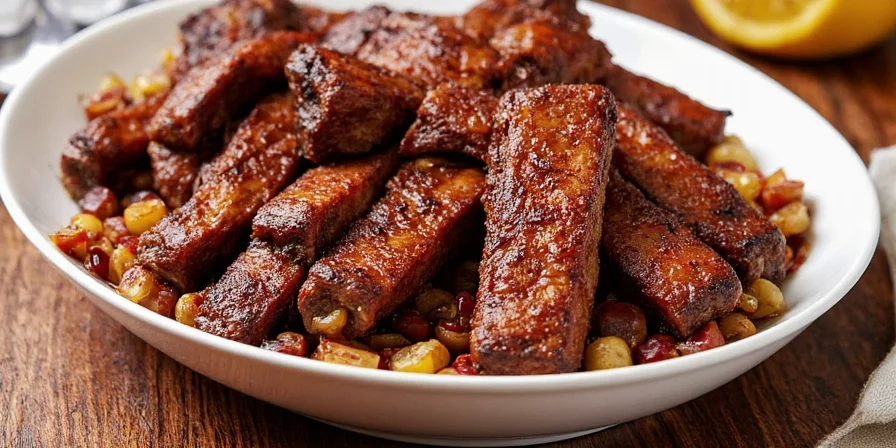
Essential Techniques for Slow Oven Baked Ribs
Before we jump into the spice action, let’s talk prep. Mastering the basics ensures that your innovative spice pairings have a stage to shine on.
Temperature & Timing
- Cooking Temp: Set your oven to 275°F (135°C)
- Cook Time: 2.5–3 hours for baby back ribs; 3–4 hours for St. Louis cut
- Internal Temp: Aim for 190–205°F for that fall-off-the-bone goodness
The Rub Application
- Clean and dry the rack of ribs
- Trim excess fat for better absorption
- Apply a thin layer of mustard or olive oil as a “glue”
- Press the spice mix firmly into the meat
- Wrap in foil and refrigerate overnight for maximum flavor penetration
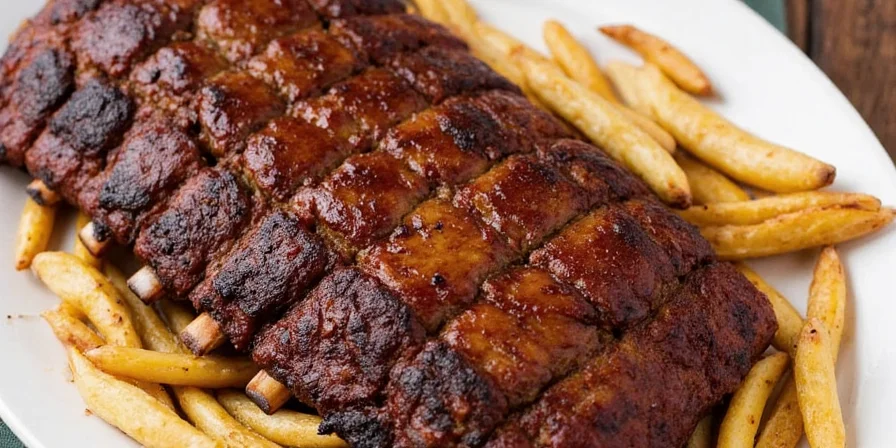
The Top 10 Spice Pairings You Must Try
Without further ado, here are ten unconventional—but incredibly delicious—spice pairings for your next batch of slow oven baked spare ribs. Each combo brings something special to the table. Let’s get weird... in the best way possible.
1. Smoked Paprika + Lime Zest
- Smoky, citrusy, and surprisingly refreshing
- Perfect for summer gatherings or taco nights
- Try adding a light honey glaze to balance acidity
2. Cumin + Orange Peel
- Epic earthiness meets bright citrus
- Think Moroccan-Mexican fusion vibes
- Add a drizzle of chipotle honey at the end
3. Coriander + Brown Sugar
- Sweet yet herbal—a match made in rib heaven
- Ideal for BBQ lovers who crave complexity
- Top with pickled jalapeños after baking
4. Turmeric + Garlic Powder
- Earthy turmeric meets savory garlic for an umami bomb
- Great for health-conscious grillers
- Pair with a yogurt-based dip or mango chutney
5. Szechuan Pepper + Lemon Thyme
- Tingly heat + floral lemon = unforgettable flavor
- Surprise guests with a numbing twist
- Best served with a cold beer or citrus IPA
6. Fennel Seeds + Chili Flakes
- Italian-American flair with a spicy kick
- Fennel adds licorice notes without being overpowering
- Great for pairing with a creamy polenta side
7. Sumac + Rosemary
- Herbaceous meets tangy in this Middle Eastern-inspired blend
- Works well with lamb, but also killer on pork
- Serve with a simple mint-yogurt slaw
8. Star Anise + Clove
- Wintery spices? Yes, even for summer!
- Grind them finely and use sparingly
- Pairs beautifully with apple cider reduction glaze
9. Cardamom + Cinnamon
- A sweet-spice combo that feels like dessert
- Especially good with glazed ribs or maple syrup
- Don’t overdo it—start small and adjust
10. Za’atar + Sesame Seeds
- Lebanese charm meets nutty richness
- Use as a finishing sprinkle after baking
- Serve with warm flatbread and labneh for dipping
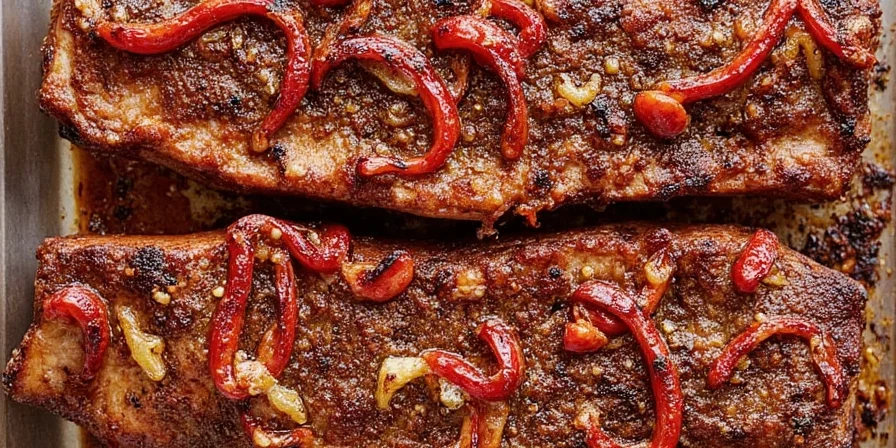
Spice Pairing Flavor Profile Chart
| Spice Pairing | Flavor Profile | Best For | Glaze Recommendation |
|---|---|---|---|
| Smoked Paprika + Lime Zest | Smoky-Citrus | Summer Parties | Honey-Lime Glaze |
| Cumin + Orange Peel | Earth-Spicy-Citrus | Mediterranean Fusion | Chipotle Honey |
| Coriander + Brown Sugar | Sweet-Herbal | BBQ Nights | Classic BBQ Sauce |
| Turmeric + Garlic Powder | Umami-Earthy | Health-Conscious Eaters | Mango Chutney |
| Szechuan Pepper + Lemon Thyme | Nummy-Citrus | Adventurous Tasters | Orange Glaze |
Pro Tips for Mastering Flavor
You’ve got the spice list. Now let’s talk technique.
Balance Sweet & Heat
Spice is all about contrast. If you’re going for heat, always include a touch of sweetness to round it out—brown sugar, honey, or even a bit of molasses goes a long way.
Toasting Your Spices
- Toast whole spices like cumin seeds or coriander in a dry pan before grinding
- This unlocks their essential oils and deepens the aroma
- Be careful not to burn them—keep the heat low and stir constantly
Layering Flavors
Build flavor in stages:
- Dry rub first
- Smoke or bake
- Glaze at the end
- Finish with fresh herbs or toasted spices
Rest Before Serving
Letting ribs rest for 10–15 minutes after baking allows juices to redistribute. This ensures every bite is moist and flavorful—not dry and disappointing.
Conclusion: Dare to Be Different
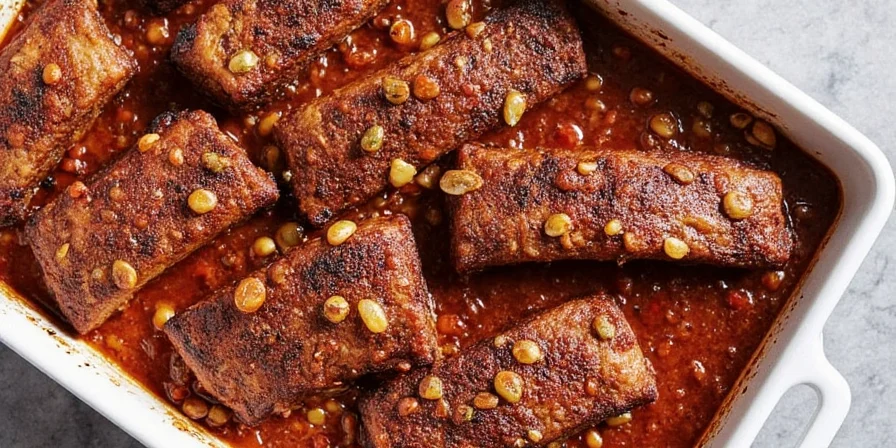
Gone are the days when ribs were just a slab of meat drowned in sauce. With the right spice pairing, you can turn your slow oven baked spare ribs into a culinary canvas for global flavors and personal creativity.
Experiment boldly, taste frequently, and don’t be afraid to break the rules. After all, some of the best flavor combinations started as happy accidents.
So go ahead—grab that jar of sumac, crush those star anise, and let your kitchen become a laboratory of deliciousness. Your ribs (and your taste buds) will thank you.
Final Thought
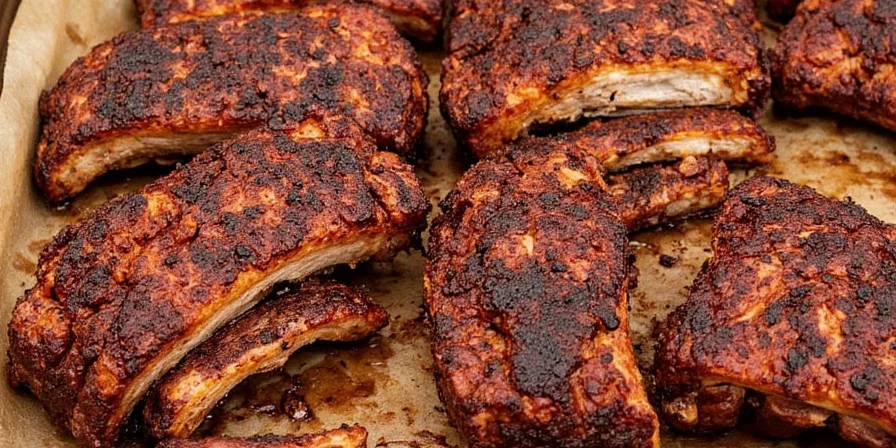
“You don’t need a passport to travel through flavor. All you need is a spice rack.” – Some wise person probably said that once. Maybe me. Maybe now.




 浙公网安备
33010002000092号
浙公网安备
33010002000092号 浙B2-20120091-4