
Spice Up Your Life: A Deep Dive into Tikka Masala Spice Blend
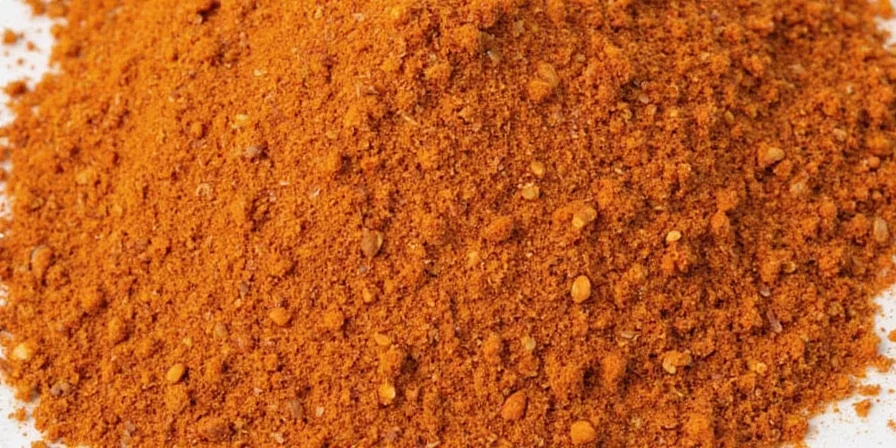
If you've ever bitten into a piece of tandoori chicken smothered in rich, creamy tomato sauce and wondered what magic made it taste so good — congratulations! You’ve encountered the legendary Tikka Masala Spice Blend. But what exactly goes into this aromatic alchemy? Let’s unravel the secrets behind one of the most beloved curry mixes on the planet — with a dash of humor and a sprinkle of science.
Table of Contents
- What Exactly Is Tikka Masala Spice?
- The Spice Lineup: Meet the Flavor Superstars
- DIY Guide: How to Make Your Own Blend at Home
- Pro Tips: Elevate Your Masala Game
- From Chicken to Cauliflower: Endless Uses
- Global Twists: Fusion Flavors Inspired by Tikka Masala
- Common Mistakes (and How to Avoid Them)
- Final Thoughts: The Magic is in the Mix
What Exactly Is Tikka Masala Spice?
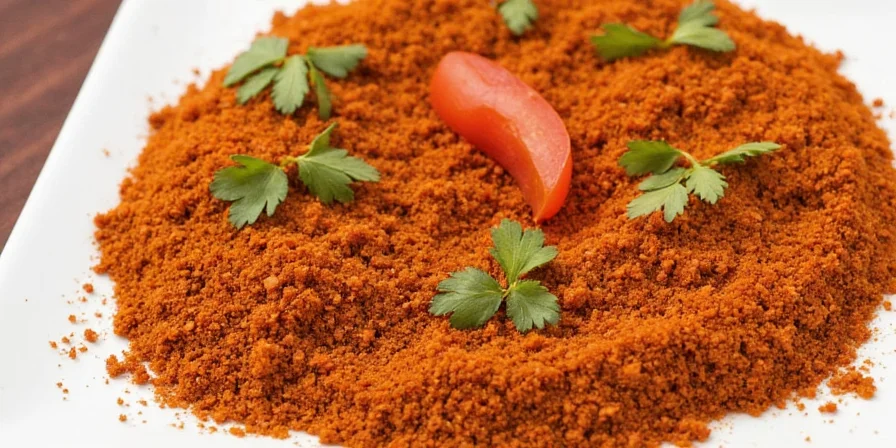
The term “Tikka Masala” literally translates to “pieces in sauce,” but when we talk about the spice blend itself, we’re referring to the foundational mix that gives this dish its signature warmth and depth. Unlike garam masala, which varies widely depending on region and family tradition, Tikka Masala spice has more consistent core ingredients — though there's still plenty of room for personal flair!
Origins: Where Did It Come From?
While often associated with India, the modern version of Tikka Masala as we know it was likely born in Britain, possibly created by South Asian immigrants catering to local tastes. Some legends even suggest it was an accidental invention — like many great culinary creations (we're looking at you, chocolate chip cookies).
The Spice Lineup: Meet the Flavor Superstars
| Spice | Flavor Profile | Role in the Blend |
|---|---|---|
| Cumin | Earthy, nutty, slightly smoky | Bases the earthiness and bridges other flavors |
| Coriander | Warm, citrusy, slightly sweet | Softens the edges and adds balance |
| Chili Powder | Spicy, bold, sometimes smoky | Kicks up the heat level (adjust to taste!) |
| Ginger | Pungent, sharp, slightly woody | Adds brightness and helps digestion |
| Turmeric | Earth, bitter, golden hue | Provides color and anti-inflammatory benefits |
| Garlic Powder | Onion-like, savory, umami-rich | Adds complexity and depth |
| Garam Masala | Varies, but usually warm and aromatic | The secret handshake of Indian spice blends |
| Paprika (optional) | Mild, sweet, red-hued | Boosts color without too much heat |
DIY Guide: How to Make Your Own Blend at Home
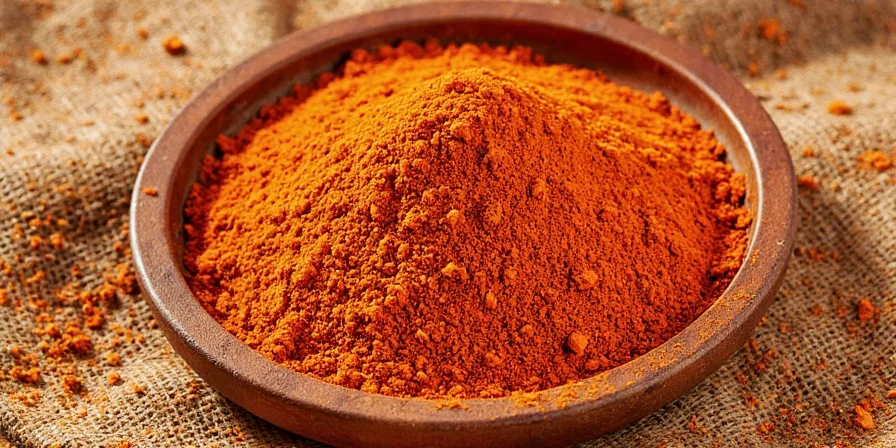
Ready to get your inner spice scientist on? Here’s a simple recipe to create your own Tikka Masala blend. Once you go homemade, there’s no turning back!
Ingredients:
- 2 tbsp ground cumin
- 2 tbsp ground coriander
- 1 tbsp chili powder (adjust to taste)
- 1 tsp ground ginger
- 1 tsp turmeric
- 1 tsp garlic powder
- 1 tsp garam masala
- ½ tsp paprika (optional for color)
Instructions:
- Grab a bowl and measure all the spices.
- Mix thoroughly using a spoon or whisk until uniform.
- Store in an airtight container away from light and moisture.
- Label the jar with the date and your genius name (e.g., “Chef Maya’s Signature Tikka”)
Pro Tips: Elevate Your Masala Game
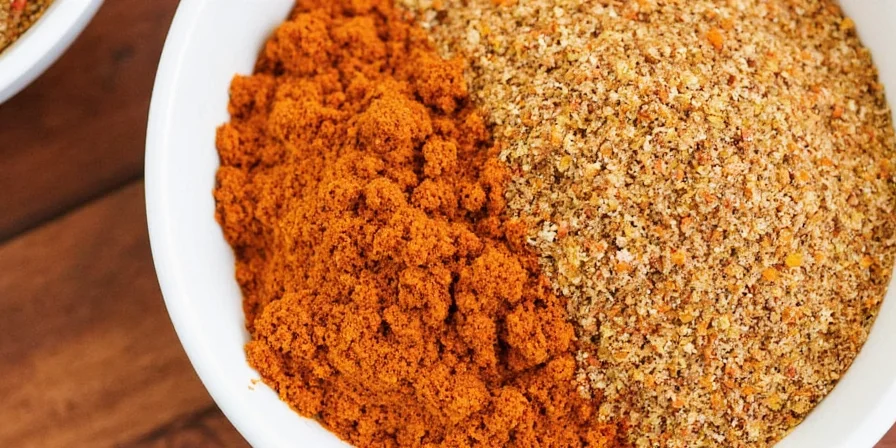
You’ve got the basics down — now let’s take it to the next level. These pro tips will help your Tikka Masala stand out in a crowd (or just impress your dinner guests):
- Roast your spices first: Lightly toast whole seeds before grinding for a deeper flavor profile. Just don’t walk away — burnt spices = tragedy.
- Layer the heat: Use different types of chilies — Kashmiri for color, Guajillo for smokiness, and Thai bird peppers for fire!
- Use ghee or oil: Fats are your friend when cooking with spices. They carry flavor better than water.
- Degrease the meat marinade: After marinating chicken in yogurt and Tikka Masala, remove excess fat before cooking for cleaner flavor.
- Salt last: Add salt after frying the spices — it can intensify bitterness if added too early.
- Freshness counts: Ground spices lose potency over time. Aim to use within 6 months for best results.

From Chicken to Cauliflower: Endless Uses
Tikka Masala spice isn’t just for chicken anymore — here are some fun ways to play with it:
- Chicken Tikka Tacos: Marinate grilled chicken in Tikka Masala and stuff into soft tortillas with lime crema.
- Vegan Tikka Cauliflower: Roast cauliflower florets seasoned with the blend and serve over rice or naan.
- Spiced Popcorn: Toss air-popped popcorn with melted butter and a pinch of Tikka Masala for a fiery snack.
- Grilled Shrimp Skewers: Brush shrimp with Tikka-infused oil and grill until pink and perfect.
- Stuffed Sweet Potatoes: Top baked sweet potatoes with Tikka-seasoned chickpeas and yogurt drizzle.
- Spiced Omelets: Whisk a tiny pinch into beaten eggs before cooking for a morning twist.
Global Twists: Fusion Flavors Inspired by Tikka Masala
Why stop at traditional uses? Let’s think globally with these fusion ideas:
- Tikka Masala Pizza: Spread Tikka Masala sauce on pizza dough, top with mozzarella, roasted chicken, and red onion.
- Tikka Masala Mac & Cheese: Stir a spoonful into your cheese sauce for an Indian-American hybrid dish.
- Tikka Masala Risotto: Add the spice mix while sautéing onions and garlic, then proceed with arborio rice and broth.
- Tikka Spiced Hummus: Blend cooked chickpeas with tahini, lemon juice, garlic, and Tikka Masala for a flavorful dip.
- Coconut Tikka Curry: Simmer coconut milk with Tikka Masala and add vegetables or tofu for a luscious plant-based meal.
- Tikka Masala Burger Patties: Mix the blend into ground beef or lentils for a burger that packs a punch.
Common Mistakes (and How to Avoid Them)
We’ve all been there — burned spices, overly salty sauces, or bland chicken. Let’s fix that with this quick cheat sheet:
| Mistake | Consequence | Fix |
|---|---|---|
| Not roasting spices | Flat, underwhelming flavor | Toast spices gently in dry pan before grinding |
| Overloading with salt | Dominates all other flavors | Add salt after spices bloom in oil |
| Using old spices | Lack of aroma and taste | Check expiration dates and store properly |
| Too much chili | Overpowers everything else | Start small, taste as you go |
| Adding wet ingredients too soon | Stops spice blooming process | Let spices cook in oil for 1–2 minutes before adding liquids |
Final Thoughts: The Magic is in the Mix
At the end of the day, Tikka Masala spice is more than just a recipe — it’s a canvas for creativity, culture, and comfort. Whether you stick to tradition or venture into fusion territory, the right blend can transform ordinary meals into extraordinary ones. So, grab your spices, roll up your sleeves, and start experimenting. Remember: every pinch tells a story, and yours might be the next big thing in the world of global spice traditions.
Got a favorite Tikka Masala trick or twist? Share it below — because the only thing better than a great spice blend is one that’s shared!




 浙公网安备
33010002000092号
浙公网安备
33010002000092号 浙B2-20120091-4