
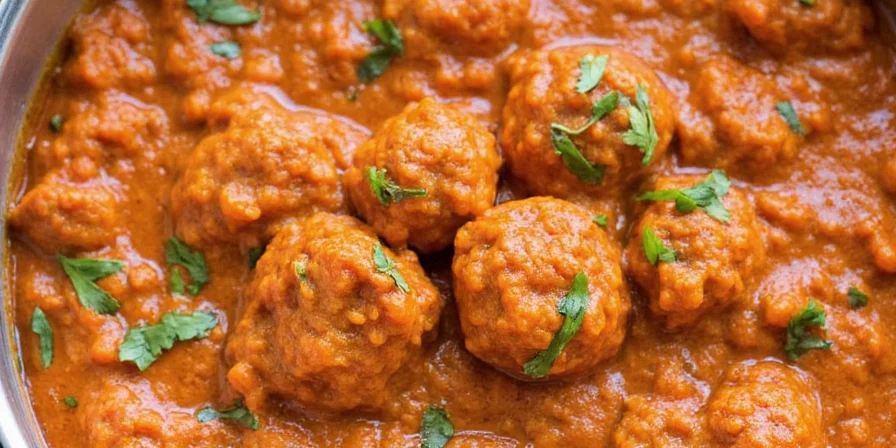
Spice Up Your Life with Global Tikka Masala Magic
Table of Contents
- Introduction: The Universal Appeal of Tikka Masala
- A Brief History of Tikka Masala
- Tikka Masala Around the World: Regional Twists
- Classic Chicken Tikka Masala Recipe
- 5 Pro Tips for Perfecting Your Tikka Masala
- The Spice Breakdown: What Makes Tikka Masala Tick?
- Vegan & Vegetarian Tikka Masala Ideas
- Pairing Perfection: Sides, Bread, and Drinks
- Conclusion: One Dish, Infinite Flavors
Introduction: The Universal Appeal of Tikka Masala
Move over, chicken nuggets — there's a new global comfort food in town. Or rather, an old dish dressed up in a thousand different ways. Tikka Masala is no longer just an Indian dish; it’s an international icon that’s taken root in kitchens from London to Los Angeles.
A Brief History of Tikka Masala
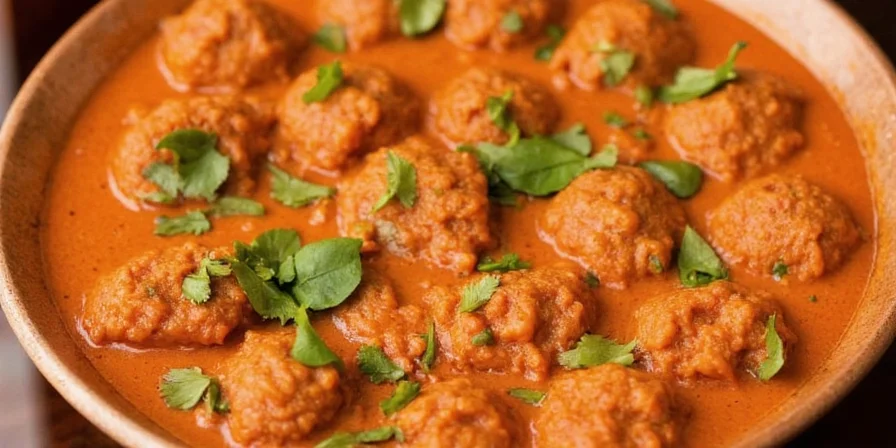
The origin story of Tikka Masala is as spicy as the dish itself. Was it invented by a British chef in the 1970s? Did a Bangladeshi restaurateur create it on a whim? Or was it always lurking in some Punjabi kitchen, waiting for the world to notice?
While we may never know for sure, what we do know is that this creamy, tomato-based curry packed with spices like garam masala, ginger, garlic, and cumin has become a culinary ambassador for South Asian cuisine.

Tikka Masala Around the World: Regional Twists
Like all great dishes, Tikka Masala has adapted to local tastes and ingredients. Here’s a flavor-packed table comparing how different regions have made it their own:
| Region | Signature Ingredient or Twist | Flavor Profile |
|---|---|---|
| UK | Double cream, milder heat | Creamy, comforting, slightly sweet |
| USA | Smokey paprika, grilled chicken | Bold, smoky, barbecue-like notes |
| Japan | Miso paste, less spice | Umami-rich, balanced, subtle |
| Middle East | Sumac, preserved lemons | Tangy, aromatic, citrus-forward |
| Australia | Coconut milk, fresh herbs | Lighter, tropical, herbaceous |

Classic Chicken Tikka Masala Recipe
Ready to bring a taste of global spice into your kitchen? Try this foolproof version that stays close to its roots but leaves room for personal flair.
Ingredients:
- 500g boneless chicken thighs
- 1 cup plain yogurt
- 1 tbsp tikka masala spice blend (or make your own!)
- 1 tbsp ginger-garlic paste
- 1 tbsp lemon juice
- 1 red bell pepper, cut into chunks
- 1 onion, sliced
- 2 tbsp oil
- 2 medium tomatoes, pureed
- 1/2 cup heavy cream
- Fresh cilantro for garnish
Instructions:
- Mix marinade: yogurt, tikka masala, ginger-garlic paste, lemon juice.
- Marinate chicken and veggies for at least 1 hour (overnight is better!).
- Grill or pan-sear until charred and cooked through.
- In a pot, sauté onions until golden. Add tomato puree and cook down.
- Add cooked chicken and veggies. Stir in cream and simmer for 10 minutes.
- Garnish with cilantro and serve with rice or naan.
5 Pro Tips for Perfecting Your Tikka Masala
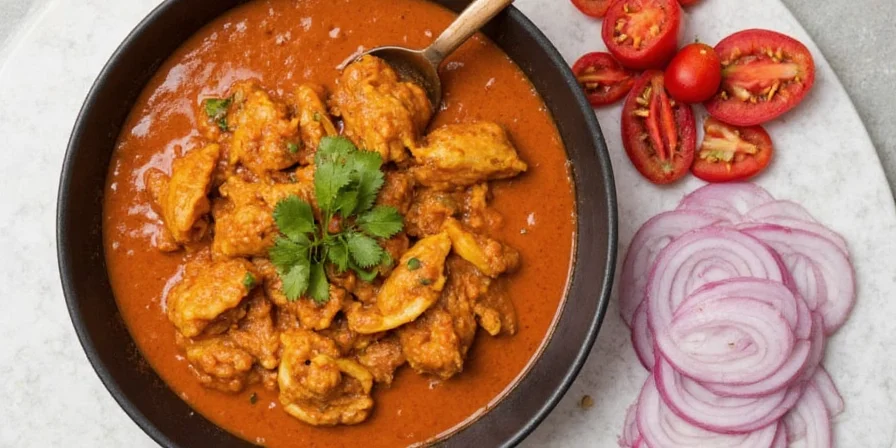
- Use full-fat yogurt – It tenderizes the chicken and adds richness to the sauce.
- Don’t skip the marination time – At least 6 hours gives the chicken that authentic depth of flavor.
- Toast your spices before adding to the sauce for more intense aroma and flavor.
- Finish with ghee – A spoonful at the end takes the whole dish up a notch.
- Let it rest! Like most curries, Tikka Masala tastes even better the next day.
The Spice Breakdown: What Makes Tikka Masala Tick?
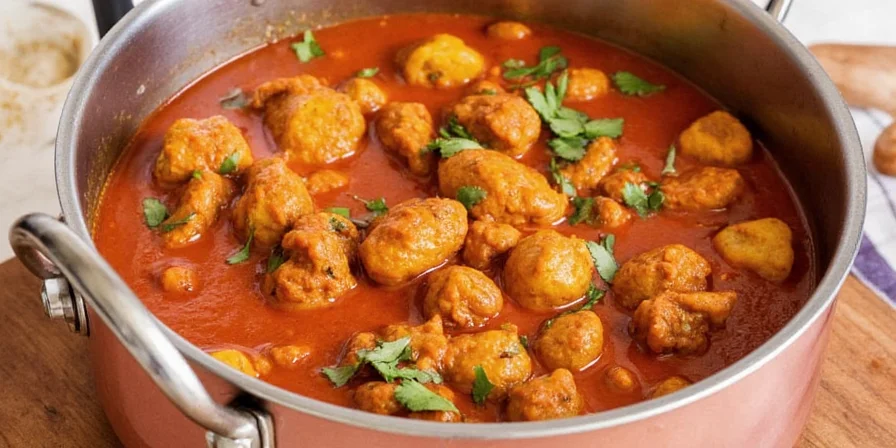
Tikka Masala owes its magic to the spice blend known as tikka masala masala. While many commercial versions are available, grinding your own ensures freshness and control over heat and complexity.
Common Ingredients in a Tikka Masala Blend:
- Cumin
- Coriander
- Cinnamon
- Cardamom
- Cloves
- Black pepper
- Paprika (for color)
- Nutmeg (optional, but adds warmth)
- Ginger powder
- Fenugreek (in some blends)
Pro Tip: Toast whole seeds before grinding for maximum flavor impact!
Vegan & Vegetarian Tikka Masala Ideas
Who says Tikka Masala is only for meat lovers? With today’s plant-based options, you can easily go meat-free without sacrificing flavor. Here are some ideas:
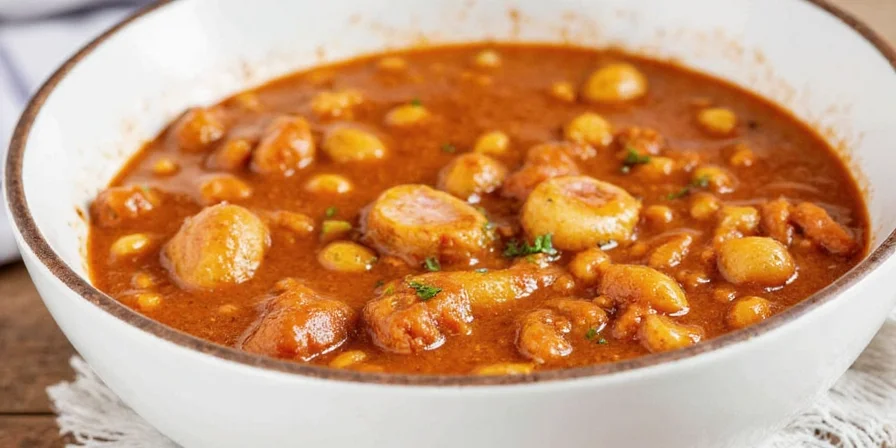
- Paneer Tikka Masala: Soft Indian cheese grilled and added to the masala base.
- Chickpea Tikka Masala: Adds texture and protein.
- Jackfruit Tikka Masala: Mimics shredded chicken texture beautifully.
- Eggplant or Cauliflower Tikka: Roast them for a hearty, earthy twist.
- Vegan 'Yogurt' Marinade: Use coconut or almond yogurt mixed with lime juice and spices.
Pairing Perfection: Sides, Bread, and Drinks
No Tikka Masala meal is complete without the right accompaniments. Here are our top picks:
- Rice: Basmati, jeera rice, or pulao add lightness and fragrance.
- Breads: Naan, garlic naan, or roti are perfect for scooping up every drop of sauce.
- Raita: Cucumber-yogurt cooling side balances out the spices.
- Drinks: Mango lassi, chilled rose water drinks, or even a crisp Chardonnay.
- Condiments: Pickled onions, green chutney, or pickled mango slices add zing and crunch.
Conclusion: One Dish, Infinite Flavors
Tikka Masala isn’t just a recipe — it’s a canvas. From India to Iceland, chefs and home cooks alike have embraced its spiced richness and transformed it into something uniquely their own. Whether you're sticking to the classic or experimenting with regional twists, one thing remains constant: the joy of a well-balanced, deeply flavorful curry that warms both the belly and the soul.
So grab your spices, fire up the grill, and let the aroma of Tikka Masala take center stage in your kitchen tonight!




 浙公网安备
33010002000092号
浙公网安备
33010002000092号 浙B2-20120091-4