
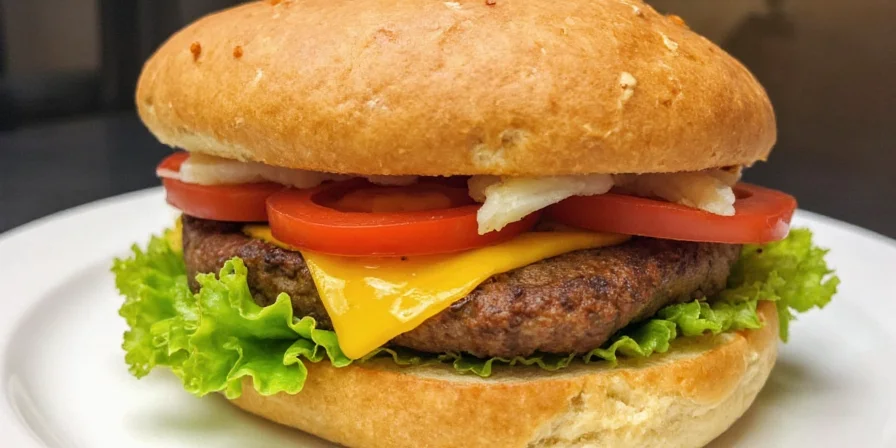
The Tasty Truth About Torta Mexicana: Spices, Secrets & Sandwich Wisdom!
Ever bitten into a Torta Mexicana and wondered how such a humble sandwich can pack so much flavor? Spoiler alert: it’s not just the bread — it’s the spices! From the zesty kick of chili to the earthy warmth of cumin, this sandwich is a global spice lover's dream. In this article, we’re diving deep into the world of torta mexicana with a twist — think practical spice tips, surprising flavor facts, and a spicy side of cultural history.
Table of Contents
- What Is a Torta Mexicana Anyway?
- Spice Playbook: The Flavor Foundation
- Secret Spice Boosters You Didn’t Know You Needed
- Global Spice Twists for Your Local Kitchen
- Pro Tips for Building the Ultimate Torta at Home
- From Streets to Sandwiches: A Cultural Deep Dive
- Conclusion
What Is a Torta Mexicana Anyway?
If you’ve ever mistaken a torta mexicana for just a Mexican sandwich, don’t worry — you’re not alone. But make no mistake, this isn't your average BLT or panini. A torta mexicana is a flavorful masterpiece that starts with a soft, crusty roll called a bolillo or teleras, and is layered with a medley of meats, cheeses, veggies, sauces, and of course... spices!
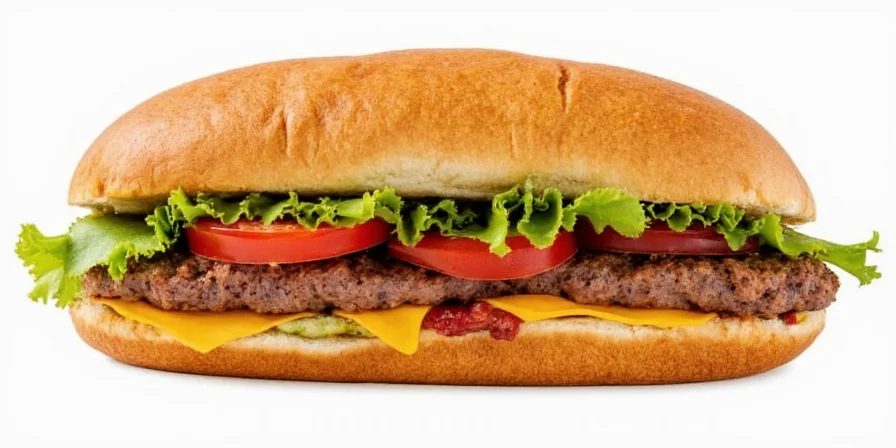
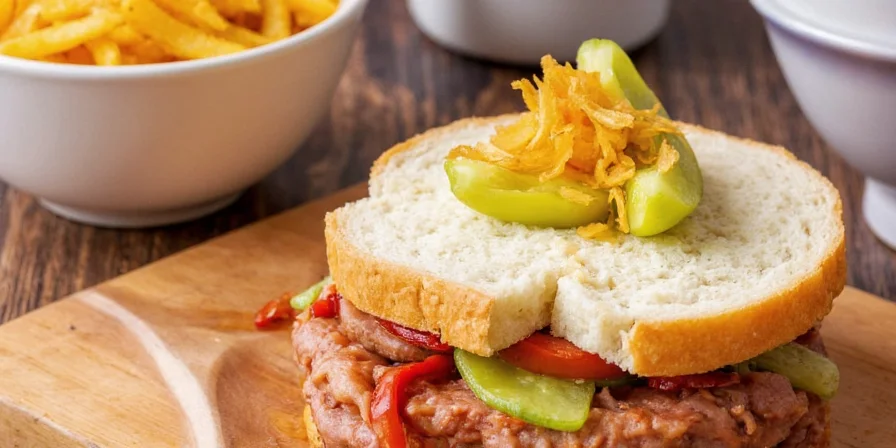
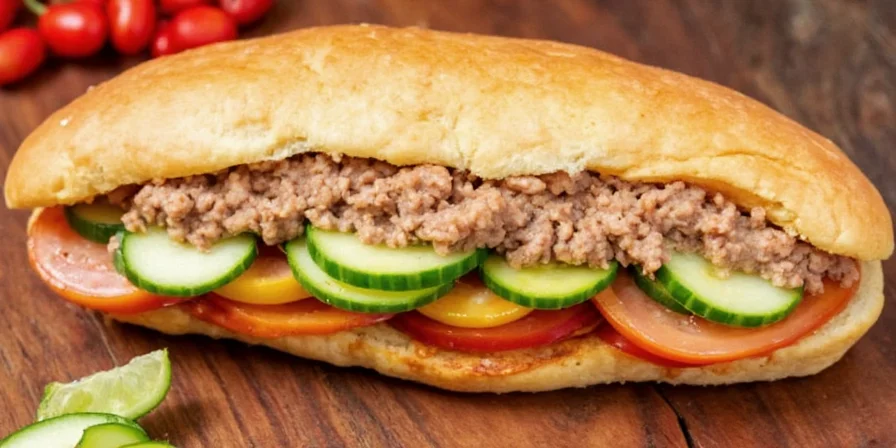
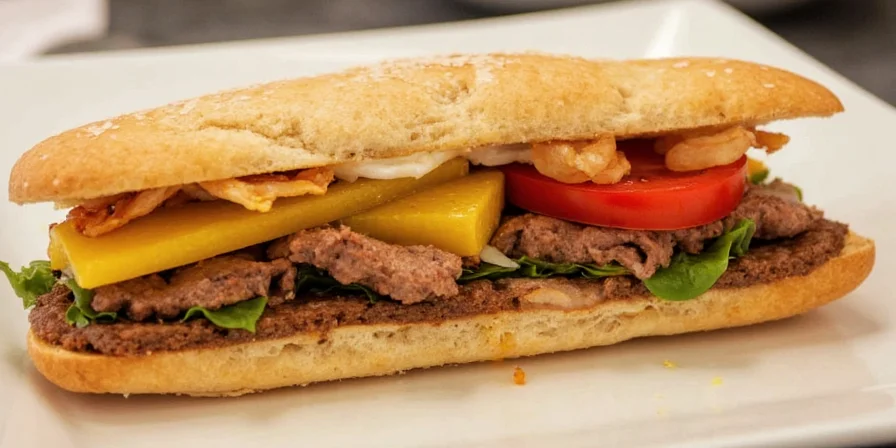
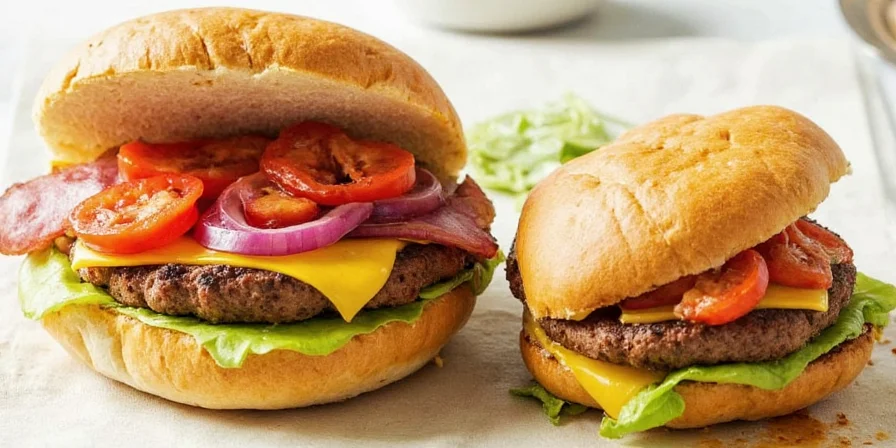
Originating from central Mexico, particularly in Puebla and Mexico City, tortas are as varied as the regions themselves. Some versions are simple, others packed with enough ingredients to qualify as a full meal (and we're here for it).
Spice Playbook: The Flavor Foundation
Let’s face it — the real MVPs of a great torta are the spices. They elevate the sandwich from “meh” to “muy rico.” Here’s a quick breakdown of the classic spice lineup you’ll find in most traditional recipes:
| Spice | Flavor Profile | Common Use in Torta |
|---|---|---|
| Chili Powder | Smoky, earthy, slightly sweet | Rubbed on meats or mixed into mayo |
| Cumin | Earthy, nutty, warm | Marinades, refried beans, or meat rubs |
| Oregano (Mexican) | Bold, peppery, aromatic | In sauces, marinades, or sprinkled on fillings |
| Paprika | Sweet, mild, smoky (depending on type) | Color and flavor boost in spreads or oils |
| Garlic Powder | Pungent, savory, umami-rich | Mixed into salsas, mayo, or oil layers |
Quick Tip: Spice It Right
Toasting whole spices before grinding enhances their aroma and depth. For example, lightly dry-toasting cumin seeds before crushing them will give your torta a more complex flavor profile.
Secret Spice Boosters You Didn’t Know You Needed
If you thought the above list was all there is to spicing up your torta, prepare to be amazed. These lesser-known additions can take your sandwich game to the next level:
- Epazote – A pungent herb commonly used in bean dishes; adds a unique herbal bite.
- Annatto Seeds – Used for color and mild peppery flavor, often infused in oil.
- Dried Mushroom Powder (like porcini) – Umami bomb for vegetarian fillings.
- Lime Zest – Brightens up the richness of meats and cheeses.
- Chipotle in Adobo – Smoked jalapeño blended with garlic, vinegar, and spices — perfect for spicy mayo.
DIY Sauce Spotlight: Chipotle Mayo
Whisk together mayonnaise, chipotle in adobo (1–2 tablespoons), a squeeze of lime juice, and a pinch of smoked paprika. Spread it inside your torta for an instant flavor upgrade.
Global Spice Twists for Your Local Kitchen
While authentic tortas stick to traditional Mexican flavors, why not experiment with global spices? Here’s a fun comparison of how different cuisines can inspire your next torta creation:
| Cuisine | Signature Spice Blend | Recommended Fillings |
|---|---|---|
| Mediterranean | Za’atar, sumac, lemon zest | Grilled eggplant, feta cheese, hummus |
| Indian | Garam masala, turmeric, ginger | Tandoori chicken, pickled mango, raita |
| Korean | Gochujang, sesame oil, gochugaru | Buldak-style tofu, kimchi slaw, fried egg |
| Middle Eastern | Harissa, baharat, mint | Shawarma-style beef, tahini sauce, pickled turnips |
| Thai | Fish sauce, lemongrass, kaffir lime | Pad Thai noodles, basil pork, cucumber relish |
Pro Hack: Spice Swap Day
Host a “Global Torta Night” where each guest brings their own twist using international spices. Bonus points for creativity and presentation!
Pro Tips for Building the Ultimate Torta at Home
Ready to roll up your sleeves and get messy in the kitchen? Here are some tried-and-true tricks to build the best damn torta mexicana of your life:
- Use Fresh Breads Only – If possible, use bolillos or teleros fresh from a Latin bakery. Toast them slightly for extra crunch.
- Layer the Sauces Smartly – Start with mayo on the bottom to prevent sogginess, then layer sauces last to keep the bread from getting too wet.
- Balance Flavors Like a Pro – Sweet, salty, spicy, acidic, and fatty elements should all be present. Think avocado + pickled jalapeños + ham + mayo = magic.
- Spice Timing Matters – Add dried spices early in cooking for depth. Fresh herbs like cilantro or epazote are best added at the end for brightness.
- Don’t Skip the Pickles – Tangy flavors balance out rich meats. Try homemade pickled red onions for an extra pop.
From Streets to Sandwiches: A Cultural Deep Dive
The torta mexicana isn’t just food — it’s a symbol of urban culture and street food innovation. In cities like Mexico City and Guadalajara, vendors have elevated the torta to an art form, offering everything from classic milanesa to gourmet lobster versions.
Historically, tortas became popular during the industrial revolution when workers needed portable, filling meals. Today, they represent fusion, accessibility, and flavor democracy — a sandwich for every budget, mood, and craving.
Did you know? The iconic **Torta de Pierna** (ham torta) was inspired by European deli sandwiches but adapted with local ingredients and techniques, becoming a staple across Mexico.
Conclusion
The torta mexicana is more than just a sandwich — it’s a canvas for culinary creativity, especially when spices enter the picture. Whether you’re sticking to tradition or going rogue with global flavors, one thing’s for sure: mastering the spice blend can turn your next torta from basic to brilliant.
So, grab your favorite bread, pick your protein, spice it up, and get ready to wrap your hands around the ultimate handheld delight. After all, life is too short for bland sandwiches — and way too tasty for boring spices!




 浙公网安备
33010002000092号
浙公网安备
33010002000092号 浙B2-20120091-4