

The Spicy Secret Behind Mexican Chorizo Seasoning: A Global Spice Adventure
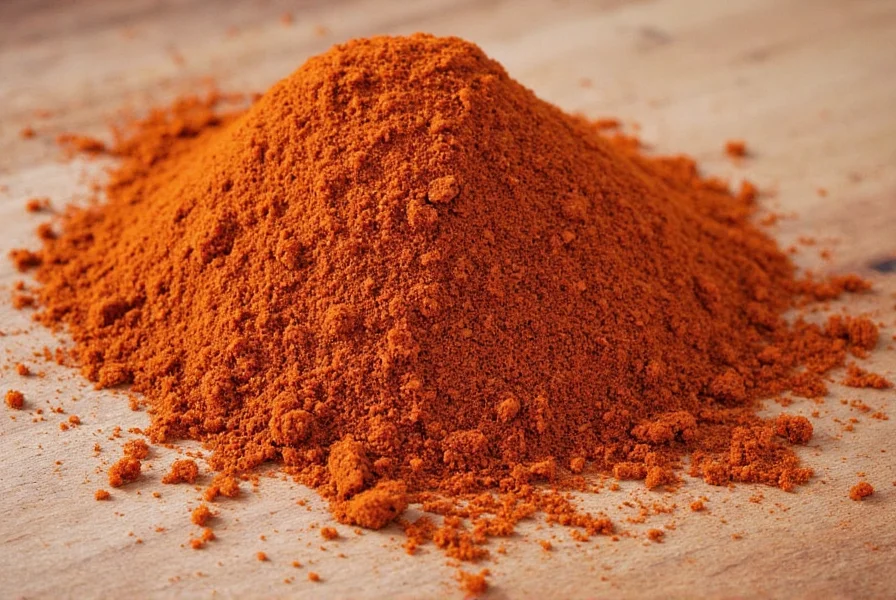
Table of Contents
- Introduction: The Fire and Flavor of Mexican Chorizo Seasoning
- What’s Inside? Key Ingredients That Define Mexican Chorizo Seasoning
- Chorizo Around the World: Fresh vs. Dry Styles
- DIY Alert! Make Your Own Mexican Chorizo Seasoning at Home
- Cooking with Chorizo Seasoning: Tips, Tricks & Tasty Recipes
- Buying Guide: How to Choose the Best Mexican Chorizo Seasoning
- Spice Pairings: What Goes Well with Chorizo Seasoning?
- Conclusion: Embrace the Heat and Heritage
Introduction: The Fire and Flavor of Mexican Chorizo Seasoning
Mexican chorizo seasoning is more than just a spice blend — it's a flavor-packed passport to the heart of Latin American cuisine. Whether you're tossing it into tacos, mixing it into scrambled eggs, or stuffing it into homemade sausages, this iconic seasoning brings a vibrant, smoky, and slightly spicy punch that can elevate even the simplest dishes.
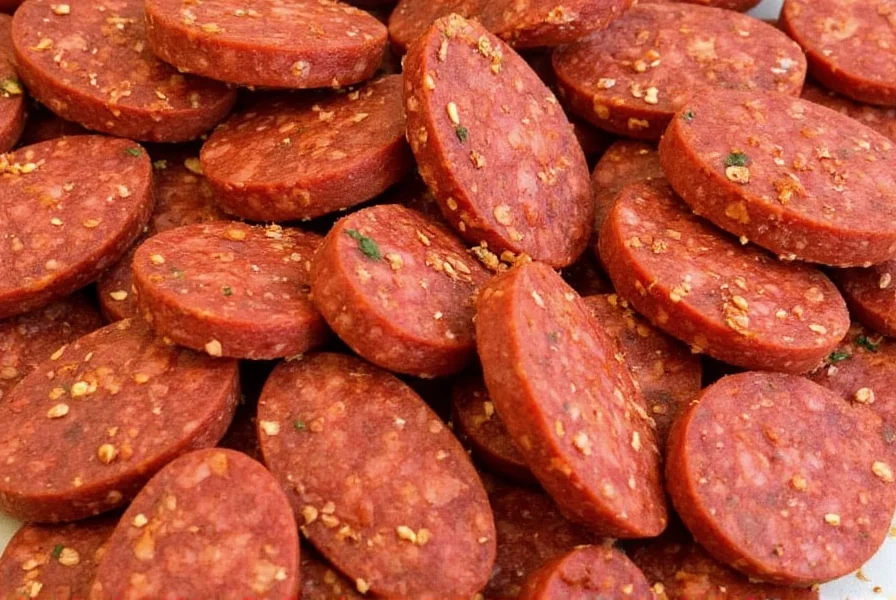
Born from the bold traditions of Mexico and influenced by Spanish culinary roots, chorizo seasoning isn't just about heat — it's about depth. It's a celebration of smoked paprika, chili powders, garlic, and vinegar, creating a complex profile that's both earthy and fiery.
What’s Inside? Key Ingredients That Define Mexican Chorizo Seasoning
Let’s break down the core components that make up this beloved spice mix:
| Ingredient | Flavor Profile | Purpose in the Blend |
|---|---|---|
| Guajillo Chili Powder | Mildly spicy with fruity notes | Base heat and color |
| Ancho Chili Powder | Sweet, rich, raisin-like flavor | Adds body and depth |
| Smoked Paprika | Earthy, smoky | Signature smokiness |
| Garlic Powder | Sharp, savory | Umami boost |
| Vinegar (Apple Cider or White) | Tangy, acidic | Activates the spices and mimics curing process |
| Cumin | Warm, nutty, earthy | Enhances spice complexity |
| Salt | Salty, enhancing agent | Brings all flavors together |
| Oregano (Mexican preferred) | Herbaceous, rustic | Adds traditional herbal note |
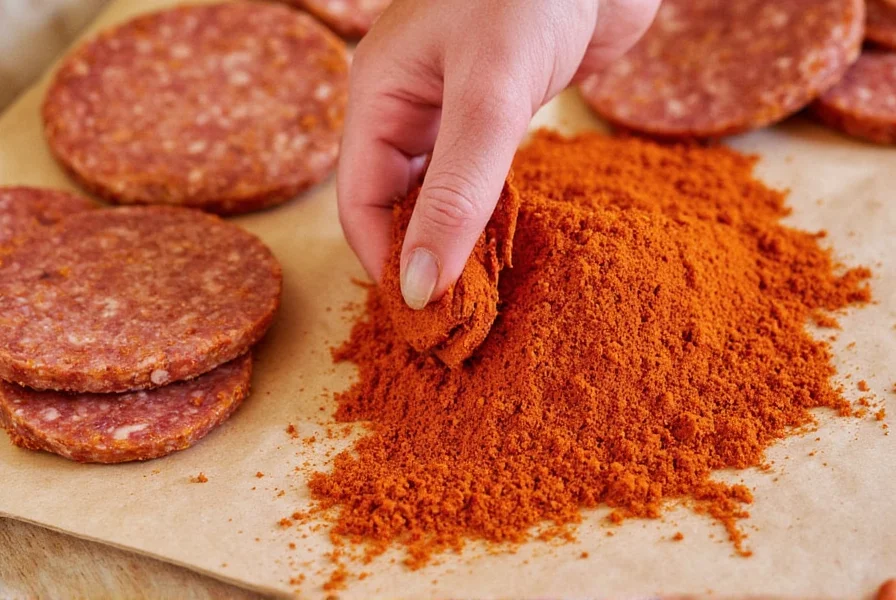
These ingredients work harmoniously to create that unmistakable flavor. But what makes Mexican chorizo different from its cousins around the globe?
Chorizo Around the World: Fresh vs. Dry Styles
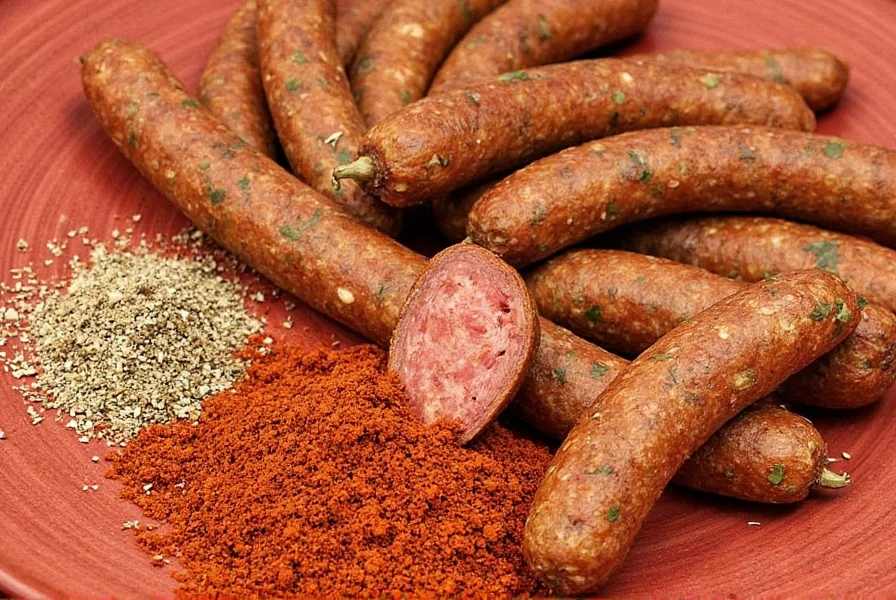
Chorizo comes in many forms across the world — but when we talk about Mexican chorizo seasoning, we’re referring specifically to the fresh variety, which is often used as a ground meat mixture rather than a cured sausage like in Spain.
| Type | Origin | Texture | Preparation | Key Characteristics |
|---|---|---|---|---|
| Mexican Chorizo | Mexico | Soft, crumbly | Needs cooking before use | High fat content, intensely seasoned, usually packed in casing |
| Spanish Chorizo | Spain | Firm, dry | Eaten raw or sliced | Cured with paprika and garlic, shelf-stable |
| Choripán (Argentinian) | Argentina | Fresh grilled sausage | Grilled and served in bread | Mild seasoning, popular street food |
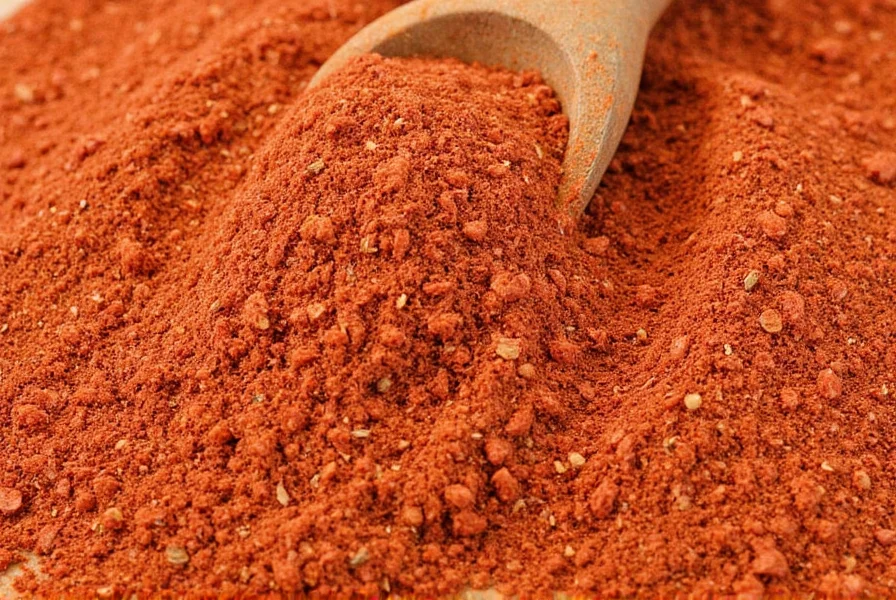
If you’ve ever confused the two, now you know why one is sliced on a charcuterie board while the other sizzles in a pan!
DIY Alert! Make Your Own Mexican Chorizo Seasoning at Home
You don’t need a fancy kitchen or a butcher shop to whip up your own Mexican chorizo seasoning. Here's a simple recipe to get started:
- 2 tbsp guajillo chili powder
- 1 tbsp ancho chili powder
- 1 tsp smoked paprika
- 1 tsp garlic powder
- 1 tsp ground cumin
- 1 tsp salt
- ½ tsp oregano (preferably Mexican)
- 2 tbsp vinegar (apple cider or white)
Mix the dry ingredients first, then add vinegar to form a paste. Combine with 1 lb of ground pork, let it marinate for at least 30 minutes, and cook until browned and fragrant. Voilà — you've got yourself authentic Mexican chorizo!

Cooking with Chorizo Seasoning: Tips, Tricks & Tasty Recipes
Now that you’ve got your hands on some chorizo seasoning (whether homemade or store-bought), let’s put it to work. Here are five easy ways to bring that smoky, spicy magic into your meals:
- Breakfast Boost: Mix with scrambled eggs for a flavor explosion.
- Taco Tuesday Upgrade: Brown chorizo with onions and pile high onto warm corn tortillas.
- Pizza Power: Crumble cooked chorizo over pizza dough along with cheese and pineapple for a spicy twist.
- Mac 'n' Chorizo: Stir into macaroni and cheese for a kick that kids and adults will love.
- Bean Dip Revamp: Fold into refried beans or black bean dip for added depth and heat.
Pro Tip: Don’t be afraid to experiment! Try adding lime juice, avocado, or pickled jalapeños to balance the richness.
Buying Guide: How to Choose the Best Mexican Chorizo Seasoning
While making your own is rewarding, sometimes convenience wins. If you’re shopping for pre-made chorizo seasoning, here’s how to find a quality product:
| Brand | Features | Best For | Occasions |
|---|---|---|---|
| La Costeña | Traditional Mexican brand, uses natural chilies and no preservatives | Authentic flavor seekers | Homemade tacos, breakfast scrambles |
| Goya Foods | Widely available, budget-friendly | Quick pantry fix | Weeknight dinners, dorm room meals |
| Ranchero | Moderate spice level, good for families | Kids and adults alike | Family dinners, potlucks |
| MexGrocer Organic Blend | Organic, non-GMO, gluten-free options | Health-conscious cooks | Meal prep, healthy wraps |

Things to Look For:
- No artificial colors or preservatives
- Real chili powder instead of generic “spices”
- Clear labeling of origin (Mexican-style, not Spanish)
- Option for mild, medium, or hot spice levels
Spice Pairings: What Goes Well with Chorizo Seasoning?
Chorizo seasoning is bold, so pairing it with complementary ingredients helps balance the heat and richness. Here are some great combos:
| Flavor Element | Pair With | Why It Works |
|---|---|---|
| Acidity | Lime, vinegar, tomato salsa | Cuts through richness and brightens flavor |
| Creaminess | Avocado, sour cream, queso fresco | Soften the spice and add texture contrast |
| Sweetness | Pineapple, mango, roasted carrots | Creates exciting sweet-and-spicy layers |
| Crunch | Tortilla chips, lettuce, radishes | Provides textural contrast |
Conclusion: Embrace the Heat and Heritage
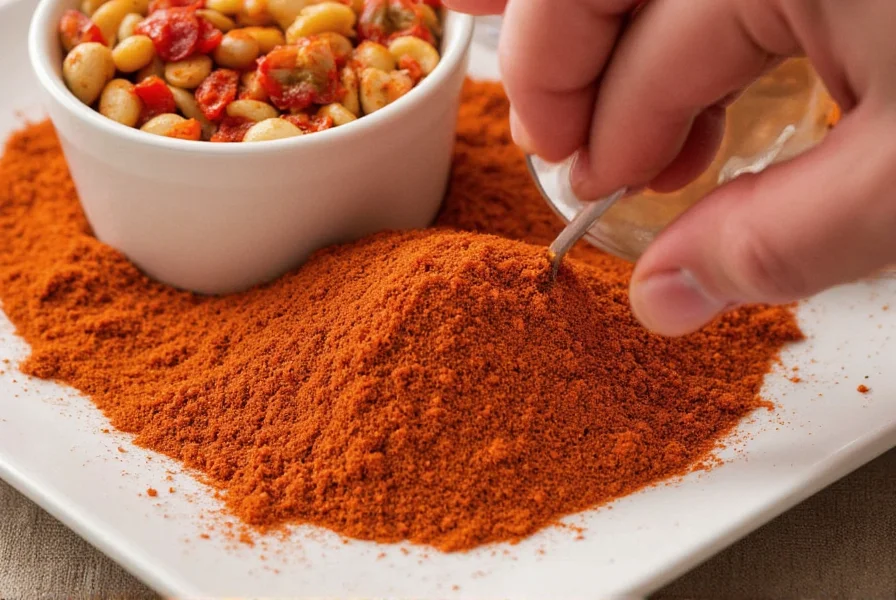
Mexican chorizo seasoning is more than a spice blend — it's a culinary tradition wrapped in fire and smoke. From humble beginnings in rural Mexico to global recognition as a flavor powerhouse, it continues to captivate palates across cultures and kitchens.

Whether you choose to craft your own or opt for a trusted brand, there’s no denying that a dash of this spice magic can transform your everyday meals into something extraordinary. So go ahead — crank up the heat, embrace the heritage, and let the flavors sing!




 浙公网安备
33010002000092号
浙公网安备
33010002000092号 浙B2-20120091-4