
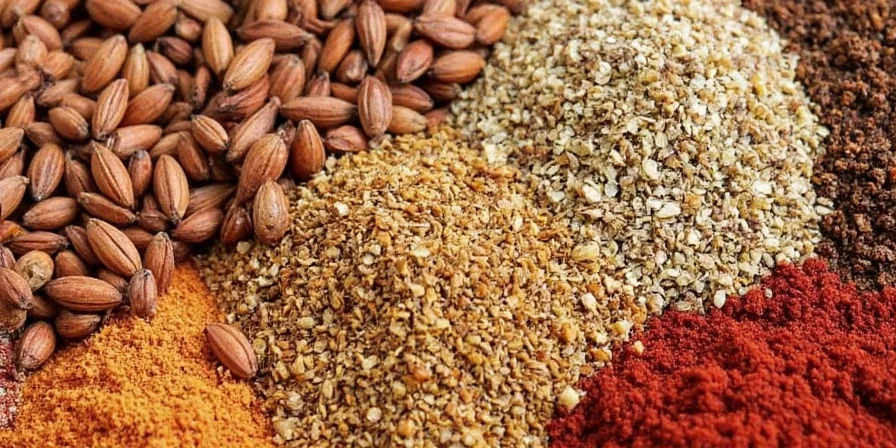
The Lebanese Seven Spice Mixture: A Flavorful Journey Through Tradition and Taste
Spices are more than just flavor enhancers—they’re the soul of a culture’s culinary identity. One such blend that embodies centuries of tradition, regional pride, and gastronomic finesse is the Lebanese Seven Spice Mixture, also known as “7-Toumeh” or “7 Baharat.” If you think all spice blends are created equal, this one might just make you rethink everything you know about seasoning.
Table of Contents
- What Is the Lebanese Seven Spice Mixture?
- Key Ingredients in the Mix
- A Brief History of This Spicy Staple
- How to Use It in Your Kitchen
- DIY Guide: How to Make Your Own Blend
- Storage Tips for Maximum Shelf Life
- Health Benefits You’ll Love
- Comparing Global Seven-Spice Blends
- Common Myths About Spice Mixtures (Debunked)
- Final Thoughts: Elevate Your Meals with Lebanese Flair
What Is the Lebanese Seven Spice Mixture?
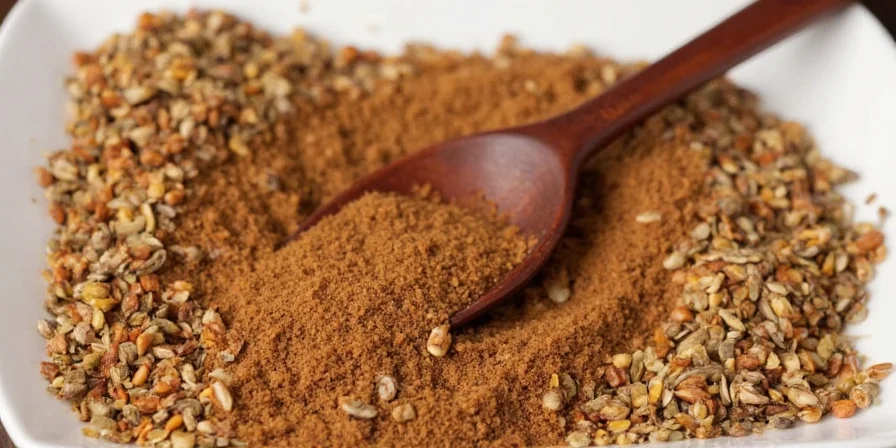
The Lebanese Seven Spice Mixture is a fragrant, earthy, and mildly warming blend traditionally used in Levantine cooking. As the name suggests, it contains seven core spices, though variations exist depending on family recipes or regional preferences. It's often used to season meats, stews, soups, and even rice dishes.
This isn't your average pre-packaged spice mix from the grocery store—it’s a hand-crafted blend that captures the essence of Middle Eastern cuisine with warmth, depth, and complexity.
Key Ingredients in the Mix
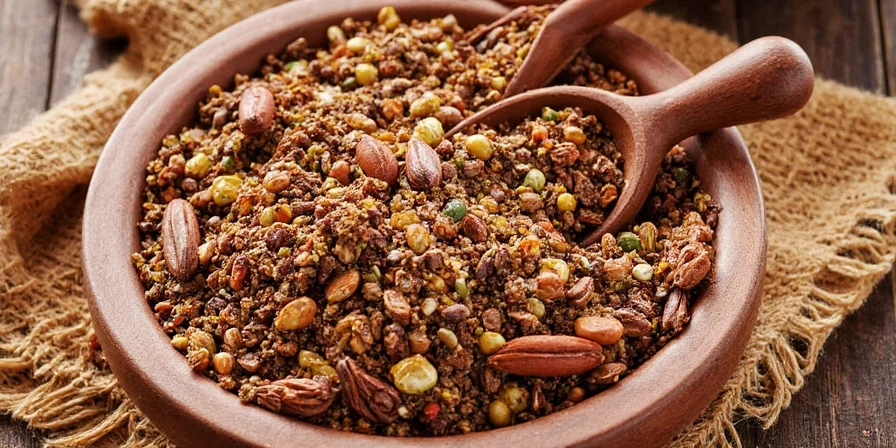
While the exact proportions may vary from household to household, the standard ingredients in a traditional Lebanese Seven Spice Mixture include:
- Black pepper
- Cumin
- Allspice
- Nutmeg
- Cinnamon
- Dried coriander seeds
- Dried clove
Some families add cardamom or dried ginger for extra zing, but the above list represents the classic foundation.
| Spice | Flavor Profile | Typical Use |
|---|---|---|
| Black Pepper | Pungent, sharp | Adds heat and depth |
| Cumin | Earthy, nutty | Base layer of flavor |
| Allspice | Warm, sweet, peppery | Provides smoky sweetness |
| Nutmeg | Sweet, woody | Enhances richness |
| Cinnamon | Sweet, aromatic | Softens stronger flavors |
| Coriander Seeds | Citrusy, floral | Balances warm notes |
| Clove | Intense, sweet, bitter | Adds bold character |
A Brief History of This Spicy Staple
The origins of the Lebanese Seven Spice Mixture trace back to ancient trade routes and the Ottoman Empire's influence over the region. Spices were not only valued for their flavor but also for their medicinal properties and role in food preservation.
In Lebanon, each family developed its own signature version, passed down through generations like a culinary heirloom. The number seven itself is significant in many Middle Eastern cultures, symbolizing completeness and perfection—making this spice blend not just a flavor bomb, but a cultural statement.
How to Use It in Your Kitchen
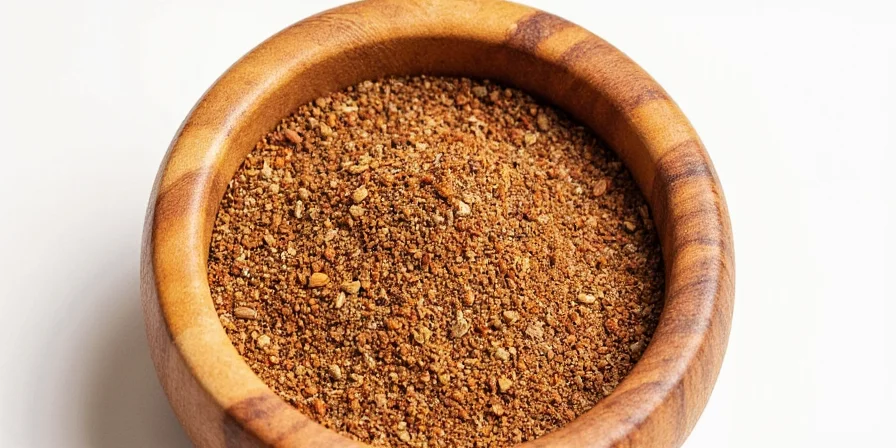
If you’ve never cooked with the Lebanese Seven Spice Mixture before, here are some delicious and easy ways to get started:
- Meat Rub: Sprinkle liberally over lamb, chicken, or beef before grilling or roasting.
- Stew Enhancer: Add a teaspoon to chickpea stews, lentil dishes, or meat-based tagines.
- Rice Perfection: Stir into rice or bulgur pilafs for an instant upgrade.
- Marinades: Combine with olive oil, lemon juice, garlic, and yogurt for a magical marinade.
- Soup Boost: Dust over roasted squash or pumpkin soup for a cozy autumn flavor.
DIY Guide: How to Make Your Own Blend
Store-bought spice mixes can be convenient, but making your own ensures freshness, authenticity, and control over the balance of flavors. Here’s how to do it:
- Toast whole spices in a dry pan until fragrant (avoid burning).
- Let them cool completely.
- Grind in a spice grinder or mortar and pestle.
- Mix in the following approximate ratios (adjust to taste):
- 1 tbsp black peppercorns
- 1 tbsp cumin seeds
- 1 tbsp allspice berries
- ½ tsp nutmeg (grated)
- ½ tsp cinnamon sticks
- 1 tbsp coriander seeds
- ¼ tsp whole cloves
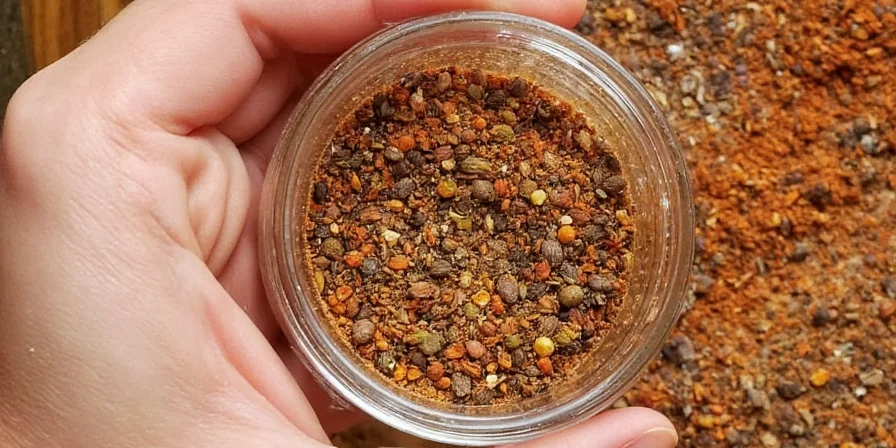
Store in an airtight container away from light and heat.
Storage Tips for Maximum Shelf Life
To keep your homemade Lebanese Seven Spice Mixture fresh and potent:
- Use dark glass jars or metal tins with tight-fitting lids.
- Keep away from direct sunlight and moisture.
- Label the jar with the date and ingredients.
- Expect a shelf life of about 6 months if stored properly.
- For longer storage, grind only what you need and keep whole spices intact until use.
Health Benefits You’ll Love
Beyond its tantalizing aroma and rich flavor, the Lebanese Seven Spice Mixture offers several health benefits thanks to its powerful individual components:
- Anti-inflammatory: Cinnamon, clove, and nutmeg have anti-inflammatory properties.
- Antioxidant-Rich: Allspice and clove are loaded with antioxidants.
- Boosts Digestion: Cumin and coriander aid digestion and reduce bloating.
- Regulates Blood Sugar: Cinnamon may help manage blood sugar levels.
- Heart Health: Coriander has been shown to lower cholesterol levels.
So yes—you can feel good about adding flavor without guilt!
Comparing Global Seven-Spice Blends
While the Lebanese Seven Spice Mixture is unique, other cultures around the world have their own versions of seven-spice blends. Here’s how they stack up:
| Blend | Origin | Main Ingredients | Flavor Notes |
|---|---|---|---|
| Lebanese 7-Spice | Lebanon | Black pepper, cumin, allspice, nutmeg, cinnamon, coriander, clove | Warm, earthy, slightly sweet |
| Shichimi Togarashi | Japan | Chili pepper, orange peel, sesame seed, ginger, nori, etc. | Spicy, citrusy, umami-rich |
| Chinese Five Spice + 2 | China | Star anise, cloves, cinnamon, Szechuan pepper, fennel + others | Savory, sweet, numbing |
| Garam Masala | India | Cardamom, cumin, coriander, cloves, cinnamon, bay leaf, black pepper | Smoky, sweet, pungent |
Common Myths About Spice Mixtures (Debunked)
Let’s clear up some common misconceptions surrounding spice blends:
- Myth 1: Pre-ground spices are better than whole ones.
- Reality: Whole spices retain freshness and flavor longer. Grind only when needed.
- Myth 2: Spices last forever.
- Reality: Ground spices last about 6–12 months; whole spices up to 2–3 years.
- Myth 3: More spice equals more flavor.
- Reality: Balance is key. Too much can overpower and ruin a dish.
- Myth 4: All seven-spice blends are the same.
- Reality: Far from it! Each blend reflects regional tastes and traditions.
Final Thoughts: Elevate Your Meals with Lebanese Flair
The Lebanese Seven Spice Mixture is more than just a seasoning—it’s a bridge between generations, a celebration of heritage, and a powerhouse of flavor and wellness. Whether you're new to Middle Eastern cuisine or a seasoned home cook looking to expand your spice horizons, this blend deserves a permanent spot in your kitchen arsenal.
So go ahead, toast those spices, grind them lovingly, and let the aromas transport you to a sun-drenched Mediterranean kitchen where every meal tells a story.
Pro Tip:
Experiment with small batches and tweak the ratios to match your palate. You might just create your own legacy spice blend that future generations will treasure.




 浙公网安备
33010002000092号
浙公网安备
33010002000092号 浙B2-20120091-4