
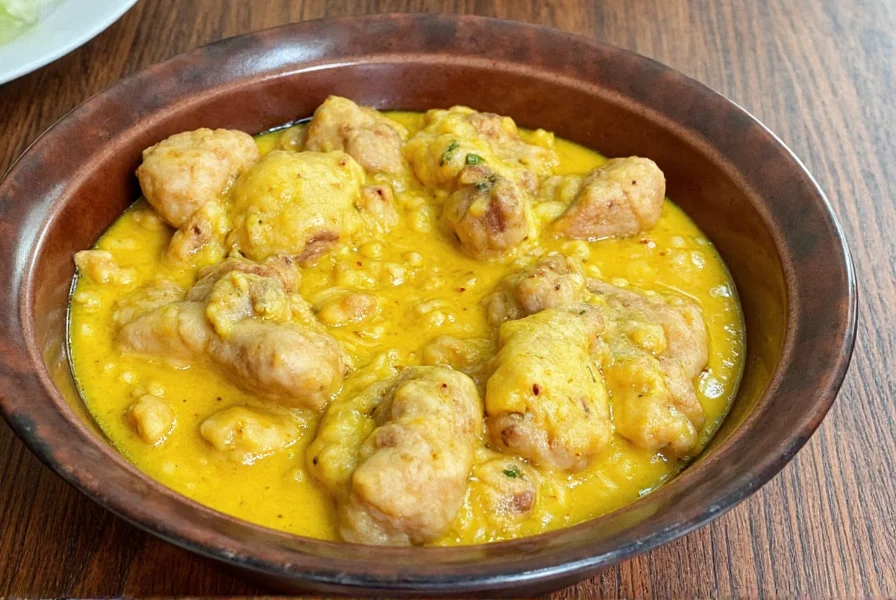
The Irresistible Allure of Peruvian Chicken Yellow Sauce: A Flavorful Journey Around the World
Have you ever taken one bite of something and thought, 'This is magic in my mouth'? If not, it's time to meet Peruvian Chicken Yellow Sauce, also known as Aji Amarillo Sauce. This golden-hued condiment isn't just for drizzling over roasted chickens — it's an entire flavor experience packed into one creamy, spicy, tangy concoction.
Table of Contents
- Origins of Peruvian Chicken Yellow Sauce
- Key Ingredients That Define Its Unique Taste
- Why You’ll Fall in Love with This Sauce
- Creative Ways to Use It Beyond Chicken
- Regional and Modern Variations
- Buying Guide: Choosing the Best or Making Your Own
- Conclusion: The Global Spice Star You Need in Your Kitchen
Origins of Peruvian Chicken Yellow Sauce
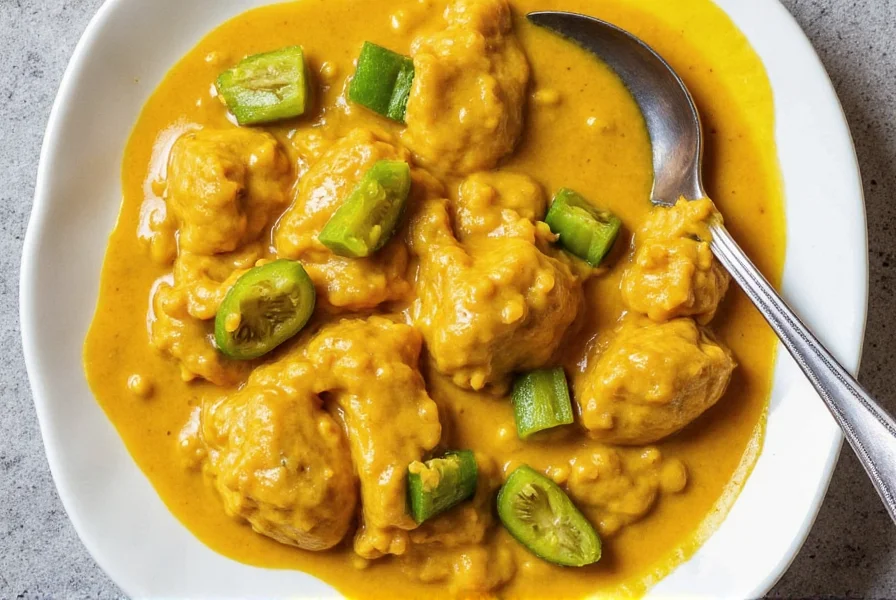
Deep in the heart of the Andes lies Peru, a country bursting with biodiversity and culinary innovation. Among its many contributions to global cuisine is the iconic salsa amarilla, or yellow sauce. Traditionally served with pavo al horno (roast turkey) and pollo a la brasa (rotisserie chicken), this sauce has roots that trace back centuries to pre-Columbian times.
The star ingredient? The Aji Amarillo pepper, a bright yellow chili native to Peru. It’s revered for its fruity heat and floral aroma, which sets it apart from other hot peppers around the globe.
Key Ingredients That Define Its Unique Taste
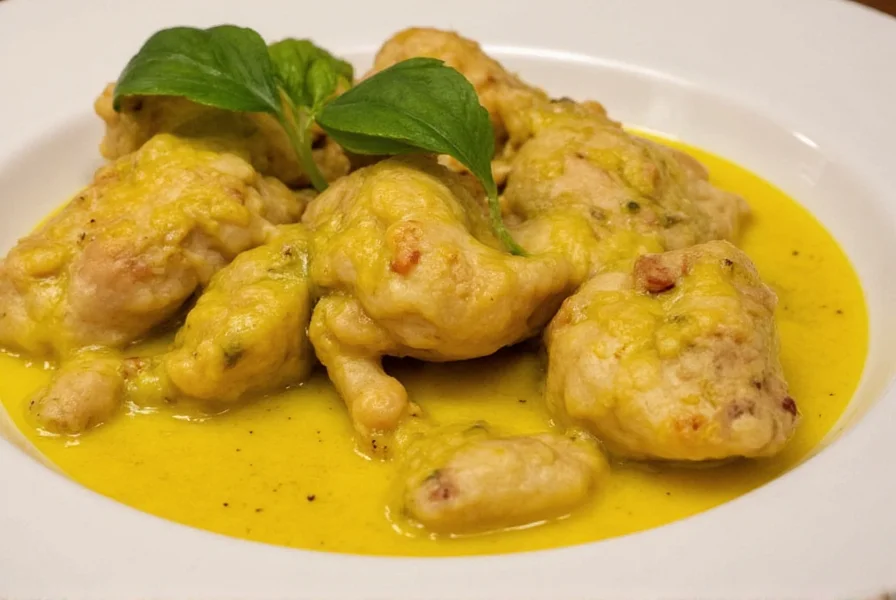
What makes this sauce so uniquely delicious? Let’s break down its components:
- Aji Amarillo Peppers: These are the soul of the sauce. They bring a medium-level heat (about 30,000–50,000 Scoville units) along with a tropical fruitiness.
- Garlic: Fresh cloves add depth and earthiness, balancing out the brightness of the peppers.
- Vinegar or Lemon Juice: Provides acidity, which helps preserve the sauce and enhances its sharp, zesty character.
- Olive Oil or Mayonnaise: For a creamy texture without overpowering the other flavors.
- Onion or Shallots: Adds sweetness and complexity.
- Spices: Salt, cumin, and sometimes paprika round out the flavor profile.
| Ingredient | Purpose | Flavor Contribution |
|---|---|---|
| Aji Amarillo Pepper | Main flavor base | Fruity, floral, moderately spicy |
| Garlic | Depth and pungency | Earthy, savory note |
| Lemon Juice | Acidity & preservation | Zesty brightness |
| Mayonnaise | Creaminess | Balances spice, adds richness |
| Onion | Sweetness & structure | Mild natural sugar balance |
| Spices | Seasoning | Umami, saltiness, warmth |
Why You’ll Fall in Love with This Sauce
If you’re on the fence about trying Peruvian Chicken Yellow Sauce, here’s why it deserves a spot in your pantry:
- Versatility: Goes well with everything from grilled meat to sandwiches and even tacos.
- Complex Flavor: Combines heat, tanginess, creaminess, and spice in perfect harmony.
- Ease of Preparation: Can be made in under 10 minutes with simple ingredients.
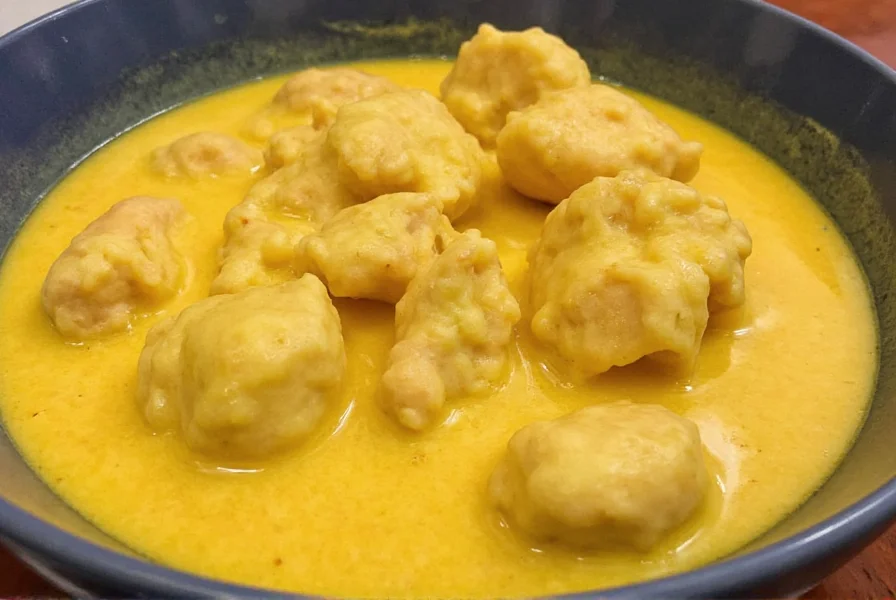
- Visual Appeal: Its vibrant yellow color makes dishes Instagram-ready.
- Health Benefits: Contains anti-inflammatory spices and antioxidants from fresh peppers.
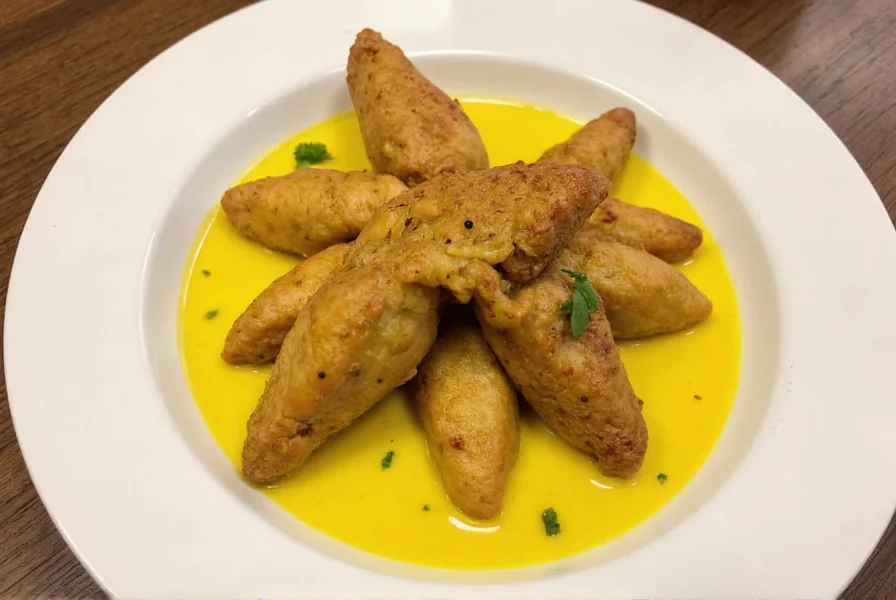
Creative Ways to Use It Beyond Chicken
While it’s commonly associated with poultry, this sauce shines in countless other dishes. Here are some fun and unexpected ways to use it:
- As a Dip: Serve with fries, plantain chips, or roasted veggies for a quick snack.
- In Sandwiches: Spread on burgers, wraps, or paninis for a flavor boost.
- Over Rice Dishes: Elevate bowls or stir-fries with a spoonful of this vibrant sauce.
- With Seafood: Try it with grilled shrimp, ceviche, or fish tacos for a tropical twist.
- Marinade Enhancer: Mix into marinades for extra kick and color.
- Salad Dressing Base: Whisk with olive oil and herbs for a zesty salad dressing.
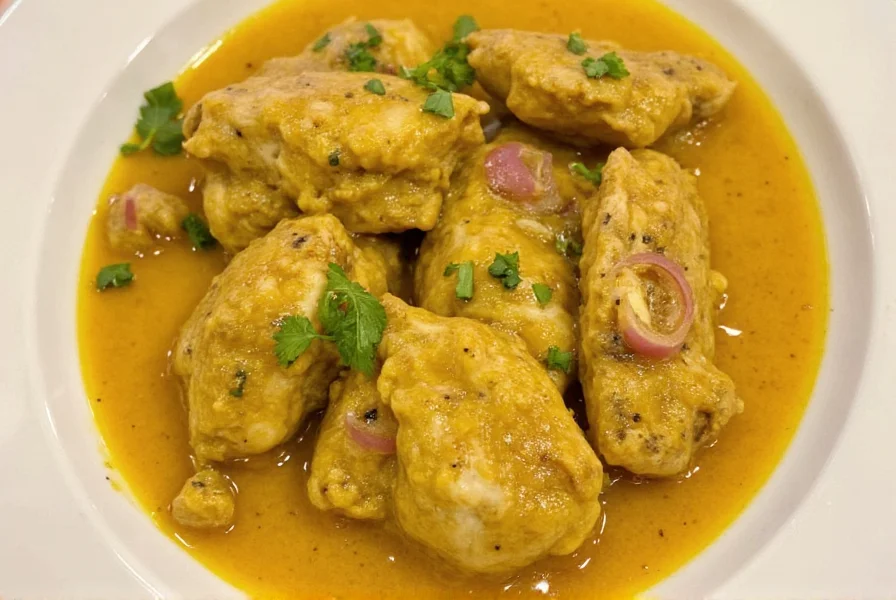
Regional and Modern Variations
While the classic version remains popular, chefs and home cooks have created exciting twists. Here are some popular variations:
- Crema de Ají: A thinner, more liquid version often used as a soup base or drizzle.
- Mayo-Based Fusion: Some versions blend mayo, sour cream, or Greek yogurt for a richer, milder sauce.
- Smoked Version: Using smoked Aji Amarillo peppers for a deeper, barbecue-like flavor.
- Dairy-Free Options: Substitute mayo with avocado or tahini for vegan-friendly versions.
- International Flair: Add soy sauce for an Asian fusion, or chipotle for a Mexican-inspired spin.
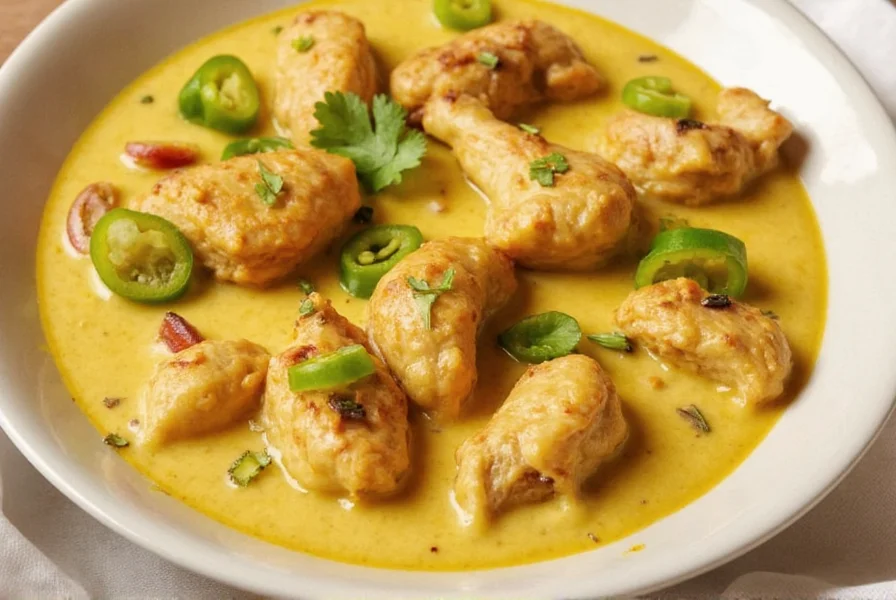
| Variation | Main Change | Best Use |
|---|---|---|
| Classic Creamy | Mayonnaise-based | Chicken dishes, dipping sauces |
| Crema | Thinner, broth-like | Soups, dressings, marinades |
| Smoky | Smoked peppers | BBQ, grilled meats, stews |
| Vegan | Plant-based bases | Vegan dishes, veggie bowls |
| Fusion Twist | Global additions | Experimental cooking, street food |
Buying Guide: Choosing the Best or Making Your Own
Whether you want to make it from scratch or buy a bottled version, here’s what to look for:
Making Your Own at Home
Homemade sauce gives you full control over the ingredients and flavor intensity. Here’s a simple recipe to get started:
Basic Homemade Peruvian Chicken Yellow Sauce
- 4–6 Aji Amarillo peppers (fresh or frozen)
- 2 garlic cloves
- 1 small onion
- 1 tablespoon vinegar or lemon juice
- 2 tablespoons mayonnaise (or vegan alternative)
- Salt to taste
- 1 teaspoon ground cumin
- Roughly chop the peppers, onions, and garlic.
- Blend all ingredients until smooth.
- Taste and adjust seasoning. Thin with water if needed.
- Refrigerate and enjoy within 7 days.
Bottled Versions: What to Look For
If you're short on time, store-bought options can be just as good — if you know what to look for. Here’s a breakdown of key features to consider:
| Product | Features | Advantages | Target Audience | Occasions |
|---|---|---|---|---|
| La Costeña Salsa Amarilla | Premium brand, uses real Aji Amarillo peppers | Consistent quality, bold flavor | Home cooks, professional chefs | Weeknight meals, parties |
| Goya Aji Amarillo Paste | Concentrated paste form | Long shelf life, easy to mix | Busy cooks, travelers | Meal prep, portable snacks |
| Kiara Peruvian Yellow Sauce | Ready-to-use, vegan option | Dairy-free, organic certified | Vegans, health-conscious eaters | Healthy eating, vegan events |
| El Rey de Maíz | Authentic Peruvian brand | Traditional recipe, mild heat | Cultural enthusiasts | Latin nights, family dinners |
| Mixt Organic Aji Sauce | Modern fusion, contains lime & cilantro | Contemporary flavor, trendy | Younger audiences, foodies | Street food, cocktail parties |
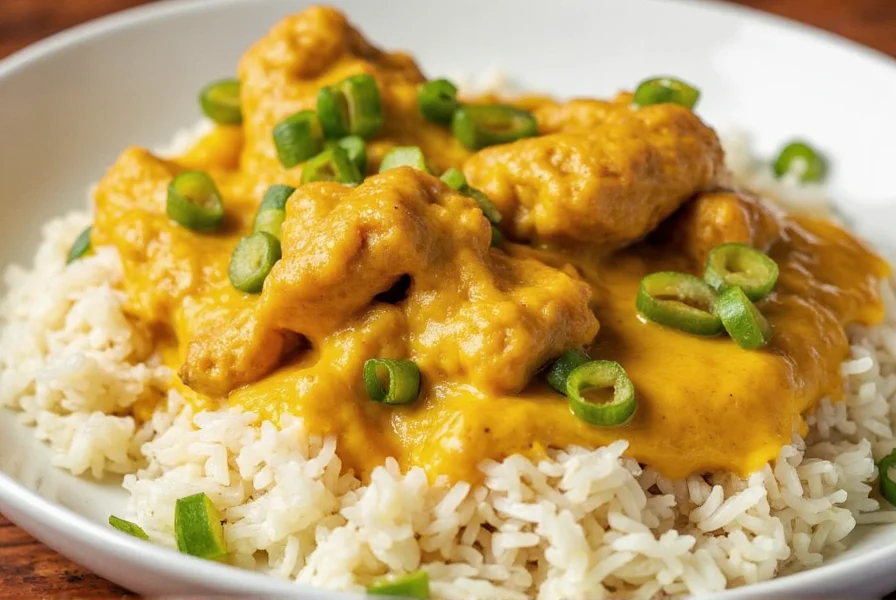
Pro Tips for Buying or Storing
- Check the Label: Make sure Aji Amarillo is listed first. Avoid artificial preservatives.
- Heat Level: Some brands are spicier than others. Read reviews or test small amounts first.
- Storage: Refrigerate after opening. Most last up to 2 months unopened.
- Packaging: Opt for glass bottles if you want better flavor retention.
Conclusion: The Global Spice Star You Need in Your Kitchen
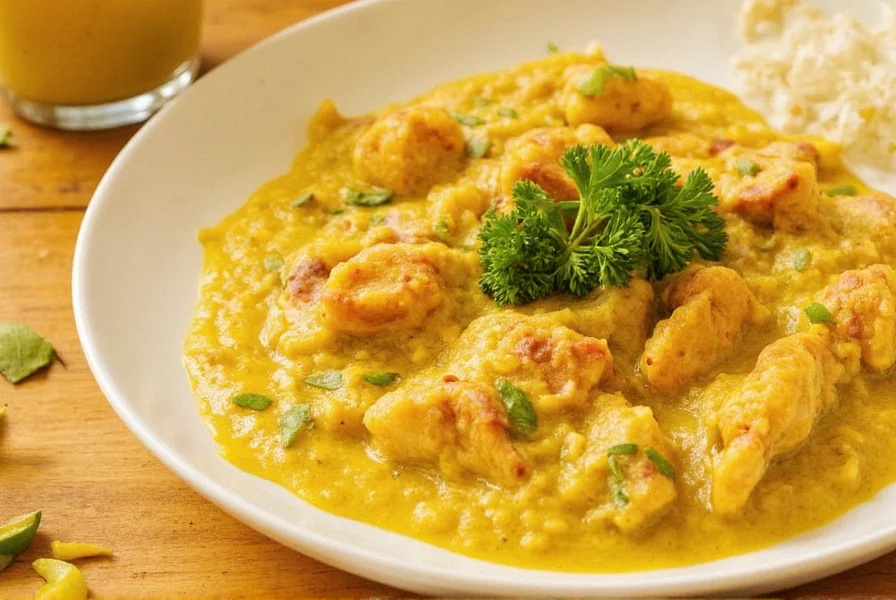
Peruvian Chicken Yellow Sauce is more than just a condiment — it’s a cultural gem with a growing global presence. Whether you're using it on roasted chicken, in a wrap, or as part of a marinade, its unique blend of heat, tang, and creaminess elevates any dish.
So, next time you’re looking to spice up your meal without going overboard, reach for that bottle (or blender!) of Aji Amarillo sauce. It’s not just Peruvian — it’s a worldwide sensation waiting to hit your plate!
Got questions or want to share your favorite way to use Peruvian Chicken Yellow Sauce? Leave a comment below or tag us on social media!




 浙公网安备
33010002000092号
浙公网安备
33010002000092号 浙B2-20120091-4