
🔥 The Global Spice Chronicles: Spicy Chickpea Chili from Around the World (With Tips to Turn Up the Heat)
Welcome, spice lovers and chili connoisseurs! Whether you're a seasoned chef or someone who just discovered that cumin isn't just for tacos anymore, this article is your passport to flavor town. Today, we're diving into a globally inspired chickpea chili recipe that celebrates the vibrant traditions of spices across cultures — all while keeping it plant-based, hearty, and deliciously spicy.
📖 Table of Contents
- What's So Special About Chickpea Chili?
- A Global Spice Tour in One Pot
- The Ultimate Chickpea Chili Recipe
- Spice Hacks: How to Make It Your Own
- Pairings That’ll Make Your Chili Shine
- Frequently Asked Spice Questions
- Final Thoughts
🌱 What's So Special About Chickpea Chili?
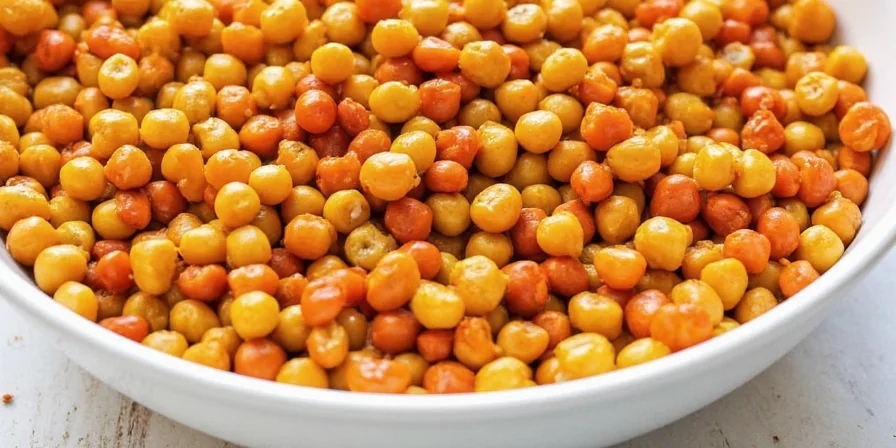
Gone are the days when chili was only about meaty indulgence. Enter: chickpeas. These humble legumes are not just high in protein and fiber — they’re also flavor sponges that soak up every bit of spice, smoke, and sass you throw at them.
More importantly, chickpea chili bridges cultures. From the smoky paprika-laced pots of Spain to the fiery North African versions spiked with harissa and ras el hanout, there’s no one-size-fits-all recipe. Let’s explore how different regions bring their own flair to this beloved dish!
🌍 A Global Spice Tour in One Pot
We’ve scoured the spice routes to give you a whirlwind tour of global flavors, all in one easy-to-make chili. Here’s a taste of what’s cooking:
| Region | Signature Spices | Flavor Profile | Extra Touch |
|---|---|---|---|
| Mexico | Ancho chili powder, cumin, smoked paprika | Smoky-sweet with earthy undertones | Add chocolate or coffee for depth |
| North Africa | Ras el hanout, harissa, cinnamon | Warm, complex, and subtly sweet | Kalamata olives for tanginess |
| India | Garam masala, turmeric, dried red chilies | Spiced and aromatic, with layers of heat | Lime juice & cilantro on top |
| Middle East | Cumin, coriander, sumac | Dry-roasted warmth with citrus zing | Pomegranate molasses for balance |
| Caribbean | Scotch bonnet peppers, thyme, allspice | Hot, herby, and tropical | Pineapple or mango for sweetness |
🍲 The Ultimate Chickpea Chili Recipe
Ready to turn your kitchen into an international spice market? Grab your pot and let’s make magic happen!
📝 Ingredients (Serves 4–6)
- 2 tbsp olive oil
- 1 onion, diced
- 3 garlic cloves, minced
- 1 red bell pepper, chopped
- 2 cans chickpeas, drained and rinsed
- 1 can crushed tomatoes (28 oz)
- 2 cups vegetable broth
- 2 tsp smoked paprika
- 1 tsp ground cumin
- 1 tsp chili powder (adjust to taste)
- ½ tsp cinnamon
- Salt to taste
- Optional: 1 tbsp cocoa powder or 1 tbsp pomegranate molasses
👨🍳 Instructions
- In a large pot, heat olive oil over medium heat.
- Add onions and sauté until translucent (~5 mins).
- Add garlic and bell pepper; cook for another 3–4 minutes.
- Stir in spices and let toast for 1 minute (don’t burn them!).
- Add chickpeas, tomatoes, and broth. Bring to a boil, then simmer for 20–25 minutes.
- Taste and adjust seasoning. Add optional cocoa or pomegranate molasses for complexity.
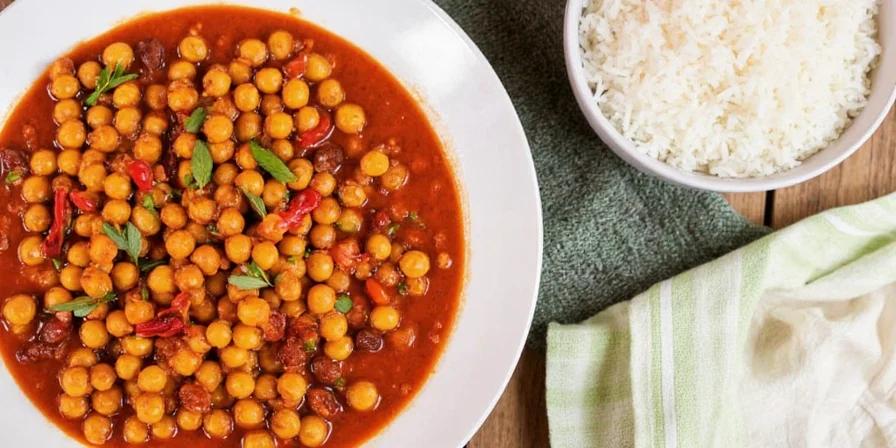
- Serve hot with rice, tortilla chips, or cornbread. Garnish with cilantro, lime, or vegan sour cream if you fancy!
🌶️ Spice Hacks: How to Make It Your Own
Want to go full globetrotter with your spices? Here are some quickfire ideas to tweak your chili like a pro:
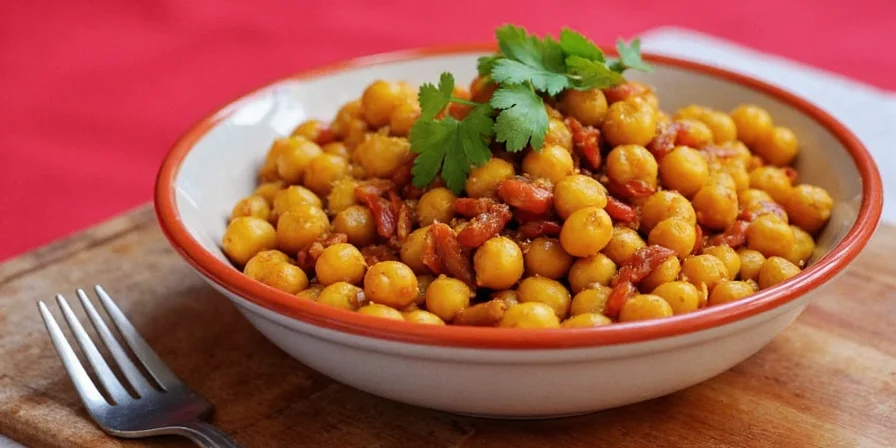
- For Mexican Magic: Add chipotle in adobo sauce for smoky depth. Top with sliced avocado and queso fresco.
- African Twist: Stir in harissa paste and a pinch of ground ginger. Finish with a squeeze of lemon and toasted almonds.
- Indian Infusion: Swap regular chili powder for Kashmiri chili for color without extreme heat. Add garam masala at the end.
- Mediterranean Mojo: Add Kalamata olives, sun-dried tomatoes, and a splash of red wine vinegar before serving.
- Caribbean Kick: Use Scotch bonnet instead of jalapeño and stir in fresh thyme leaves. Serve with warm naan or roti.
🍴 Pairings That’ll Make Your Chili Shine
Don’t underestimate the power of the perfect sidekick. Here are our top picks to elevate your chili game:
| Side Dish | Why It Works |
|---|---|
| Cornbread | The sweet, crumbly texture balances out bold spices beautifully. |
| Steamed Rice | Perfect for soaking up extra chili sauce and cooling things down. |
| Tortilla Chips | Add crunch and contrast, especially when dipped into the chili. |
| Warm Flatbread | Ideal for scooping and sopping up every last drop. |
| Fresh Salad | A refreshing bite to cut through the richness of the chili. |

❓ Frequently Asked Spice Questions
You asked. We answered. Here’s everything you need to know about spicing up your chickpea chili game:
Can I freeze chickpea chili?
Absolutely! This chili freezes beautifully. Store in airtight containers for up to 3 months. Thaw overnight in the fridge and reheat gently on the stovetop or microwave.
How do I adjust the spice level?
Start with less chili powder and build slowly. You can always add more, but you can’t take it out once it’s too hot. For heat that builds gradually, use whole dried chilies and remove seeds for mildness.
Can I use fresh tomatoes instead of canned?
Yes, but you may want to peel and blend them first for a smoother texture. If using cherry tomatoes, roast them first for deeper flavor.
What’s the difference between regular chili powder and ancho chili powder?
Regular chili powder is often a mix of ground chilies, cumin, and garlic. Ancho chili powder is made purely from dried poblano peppers and has a sweeter, fruitier profile.
✨ Final Thoughts
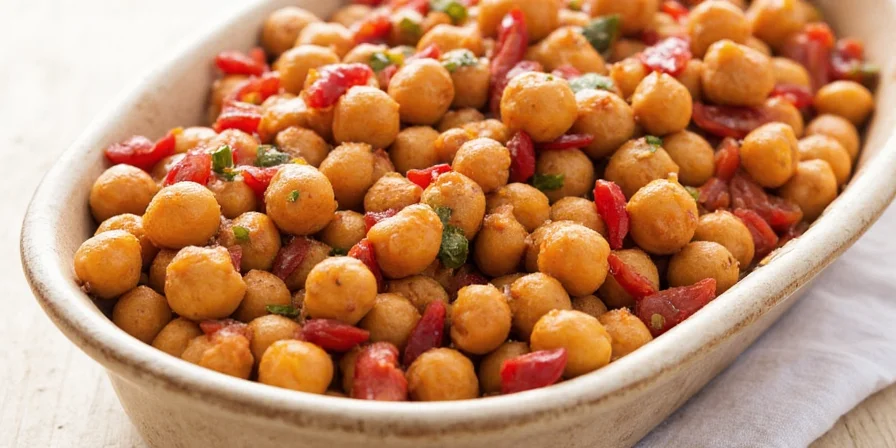
Chickpea chili isn’t just a dish — it’s a journey. With a few tweaks, you can transform a simple stew into a culinary world tour. Whether you’re hosting a dinner party or meal-prepping for the week, this recipe is your canvas.
So grab your favorite spices, gather your ingredients, and let your taste buds travel. After all, the best way to explore the world is one bite at a time.




 浙公网安备
33010002000092号
浙公网安备
33010002000092号 浙B2-20120091-4