
The Aromatic Alchemy of Vietnamese 5 Spice Powder: Flavor Secrets Revealed!
Table of Contents
- What Is Vietnamese 5 Spice Powder?
- The Magic Ingredients Behind the Mix
- A Sprinkle of History
- How to Use Vietnamese 5 Spice in Your Kitchen
- DIY Guide: How to Make Your Own Vietnamese 5 Spice Blend
- Pro Tips for Using Vietnamese 5 Spice Like a Pro
- Storage Secrets: Keep It Fresh and Fragrant
- Vietnamese vs. Chinese Five Spice: What’s the Difference?
- Summary of Key Points
What Is Vietnamese 5 Spice Powder?
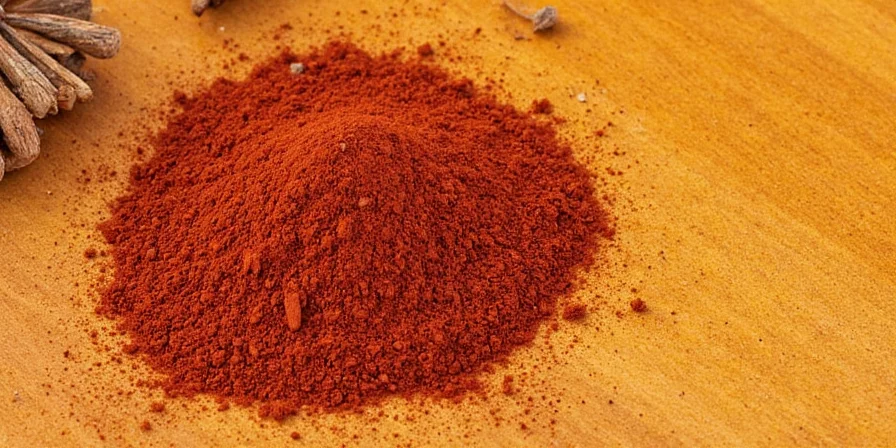
If you’ve ever bitten into a steaming bowl of Pho or taken your first tender bite of Bo Kho, you’ve tasted the magic of Vietnamese 5 spice powder—often known as Tu Nhien Huong or simply “five spice.” Unlike its more famous cousin, Chinese five spice, this blend has a lighter, sweeter personality with a touch of citrusy brightness.
The Magic Ingredients Behind the Mix
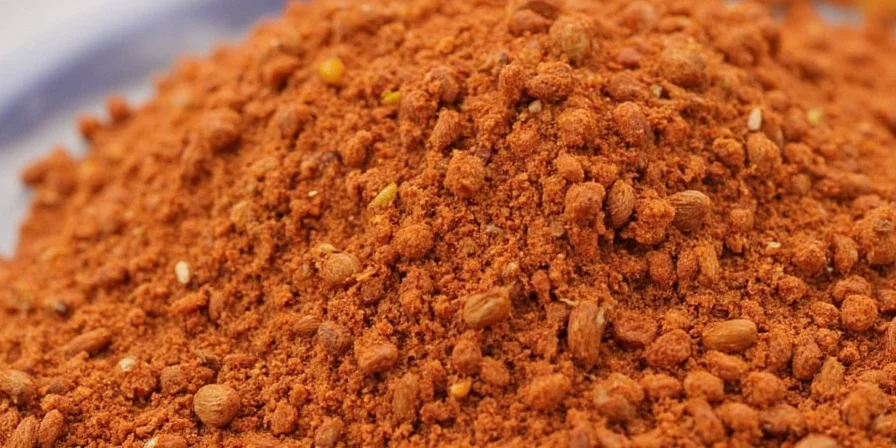
Vietnamese 5 spice powder typically includes:
- Star Anise – Sweet, licorice-like flavor
- Fennel Seeds – Earthy, slightly sweet undertones
- Cloves – Bold and aromatic
- Cinnamon – Warm, sweet complexity
- Szechuan Peppercorns (sometimes omitted) – Slight numbing effect
A Sprinkle of History
Vietnamese cuisine has long been influenced by both French and Chinese culinary traditions. The five spice blend evolved as a unique adaptation of Chinese five spice, tailored to local tastes. While it’s often associated with southern Vietnamese cooking, it appears in dishes across the country—from Hanoi street food to coastal seafood stews.
How to Use Vietnamese 5 Spice in Your Kitchen
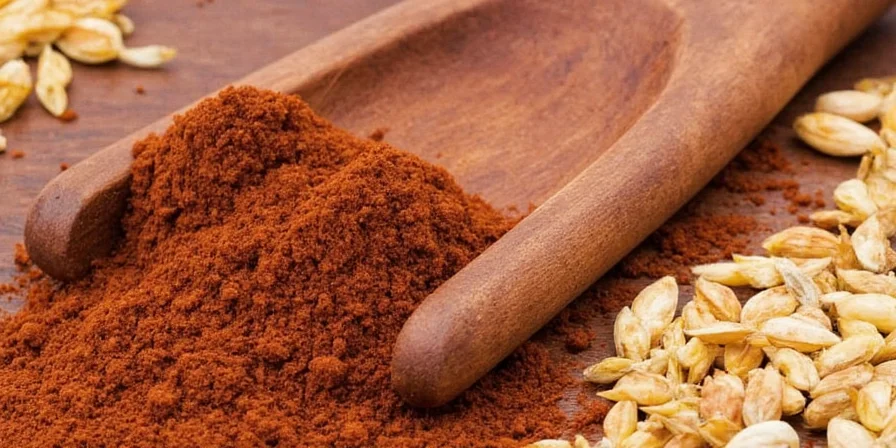
This versatile spice is more than just a marinade booster. Here are some creative ways to use it:
- Add to braised meats like Bo Kho or Thit Kho
- Season roasted vegetables or tofu for an aromatic kick
- Infuse broths and soups, especially pho
- Mix into dipping sauces or rubs for grilled dishes
- Try it in dessert! Cinnamon-forward blends work well in spiced cakes or cookies
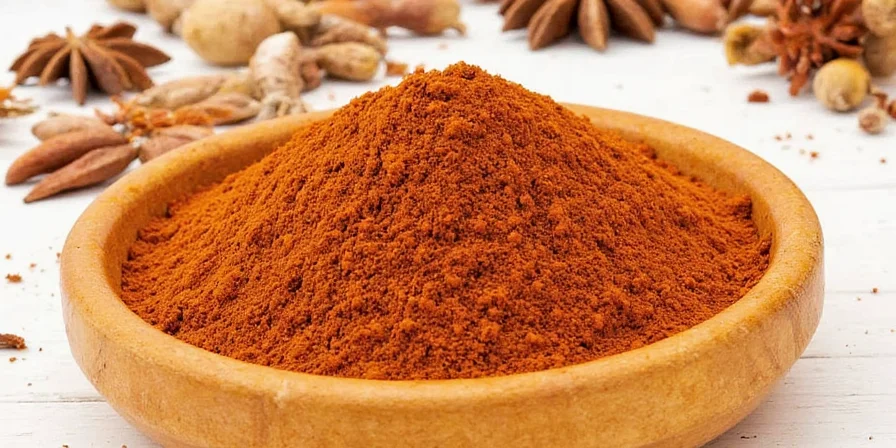
DIY Guide: How to Make Your Own Vietnamese 5 Spice Blend
Store-bought blends are convenient, but nothing beats homemade. Here's how to make your own:
| Ingredient | Quantity |
|---|---|
| Whole star anise | 6 pods |
| Fennel seeds | 2 tbsp |
| Cloves | 1 tbsp |
| Cinnamon sticks (broken) | 2 pieces |
| Szechuan peppercorns (optional) | 1 tsp |
- Dry roast each spice separately in a pan over medium heat until fragrant.
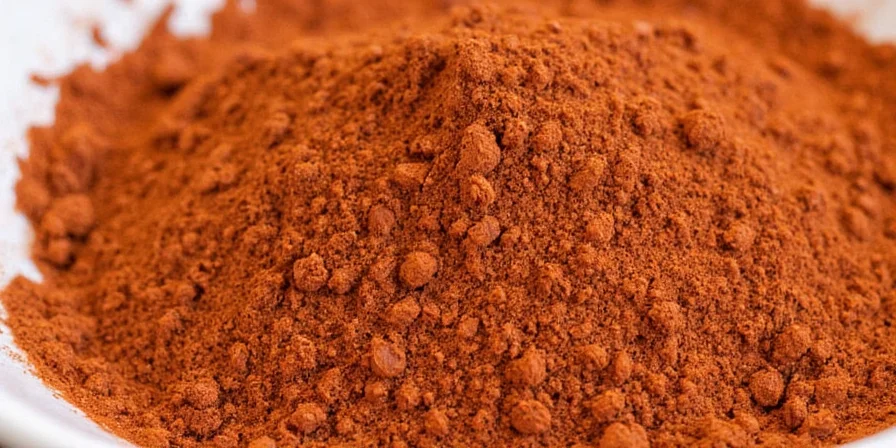
- Let cool completely before grinding into a fine powder.
- Store in an airtight container away from light.
Pro Tips for Using Vietnamese 5 Spice Like a Pro
- Start small: A little goes a long way. Add gradually and taste as you go.
- Bloom the spices: Toast a pinch in oil or fat before adding to your dish for maximum aroma.
- Bake smartly: In desserts, pair with honey or maple syrup to enhance the warm notes.
- Balance bold flavors: Especially good in rich dishes like slow-cooked meats or creamy soups.
Storage Secrets: Keep It Fresh and Fragrant
To preserve potency and aroma:
- Store in a dark, airtight glass jar
- Avoid moisture exposure
- Use within 6 months for optimal flavor
- Label jars clearly to avoid confusion with other spice blends
Vietnamese vs. Chinese Five Spice: What’s the Difference?
Though similar, these two spice blends have distinct personalities:
| Aspect | Vietnamese 5 Spice | Chinese 5 Spice |
|---|---|---|
| Main Flavors | Sweet, floral, licorice notes | Earthy, pungent, spicy |
| Typical Use | Broths, meat dishes, mild applications | Barbecue, marinades, bold recipes |
| Heat Level | Mild | Moderate (due to Szechuan pepper) |
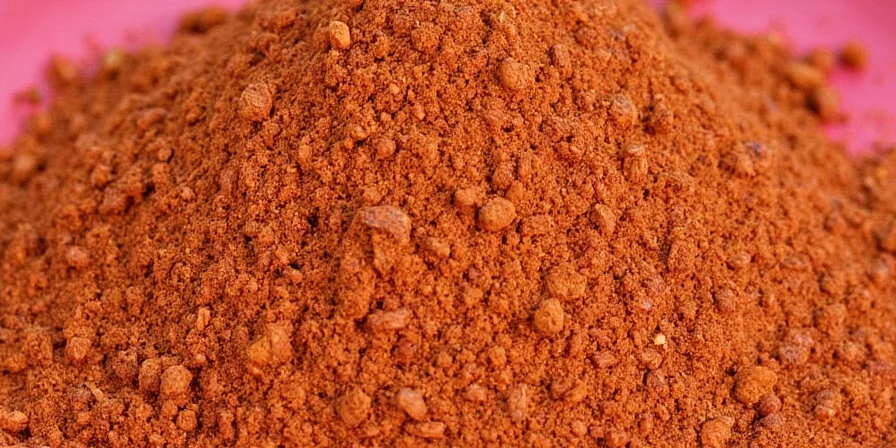
| Texture | Finer, smoother grind | Rougher, coarser texture |
Summary of Key Points
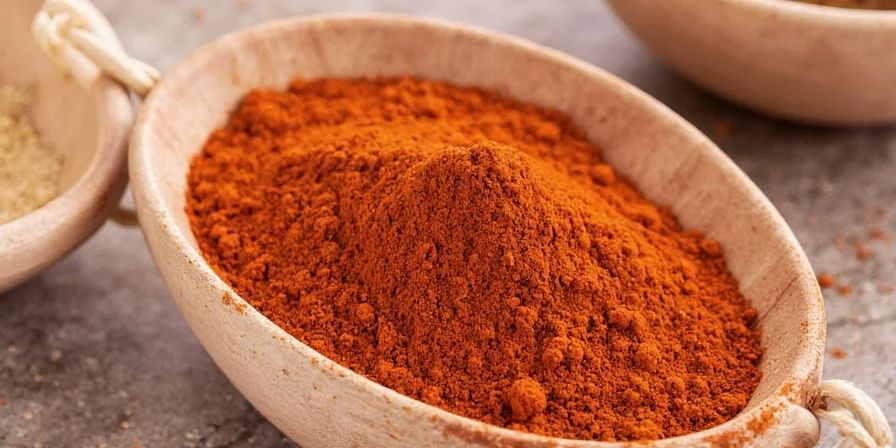
- Vietnamese 5 spice powder is a unique blend of star anise, fennel, clove, cinnamon, and sometimes Szechuan pepper.
- It enhances both savory and sweet dishes with a delicate, aromatic profile.
- You can easily make your own at home for fresher results.
- It differs from Chinese five spice by being milder and sweeter.
- Proper storage keeps your spice vibrant and flavorful for months.
Conclusion
Vietnamese 5 spice powder isn’t just another pantry item—it’s a passport to a world of flavor. Whether you're simmering up a batch of pho or roasting veggies for dinner, this humble blend can transform the ordinary into something truly unforgettable. So why not give it a try? Dust off those cloves and cinnamon sticks and let the alchemy begin!




 浙公网安备
33010002000092号
浙公网安备
33010002000092号 浙B2-20120091-4