
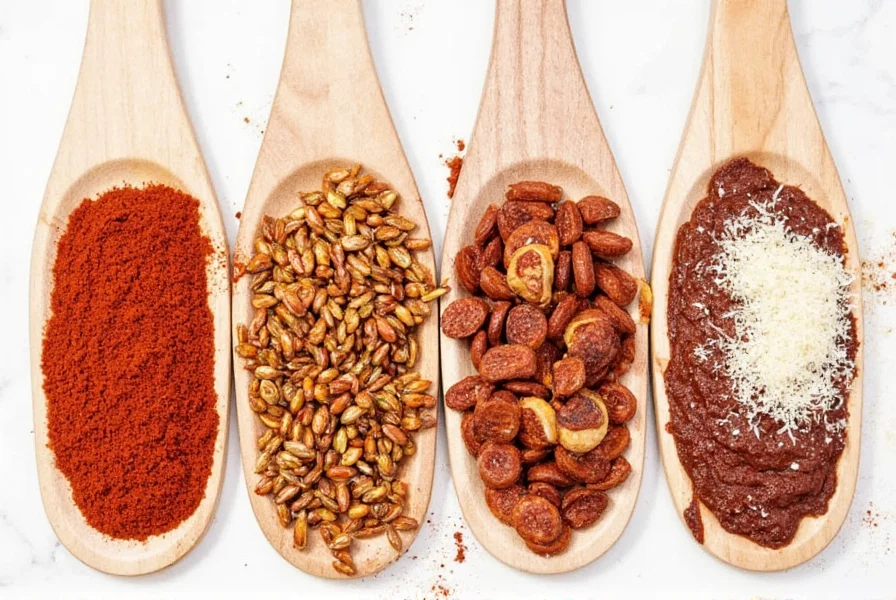
Spice Up Your Life: A Global Guide to Chorizo Mix and More
Table of Contents
Introduction to Chorizo Mix
Chorizo mix is more than just a seasoning—it's a flavor bomb that has traveled across continents, evolving with local traditions and tastes. Originating from Spain, chorizo is a type of sausage made from pork, paprika, garlic, and other spices. But when it comes to the 'chorizo mix,' we're talking about a blend of ground spices and seasonings that mimic the bold, smoky, and slightly spicy flavor of traditional chorizo.
Whether you're an amateur cook or a seasoned chef, a good chorizo mix can elevate your dishes in ways you never imagined. From tacos to stews, this versatile blend adds depth, heat, and a touch of the exotic. In this article, we’ll explore the global influence of spice traditions, dive into how to use chorizo mix effectively, and give you a detailed buying guide to help you choose the best one for your kitchen.

Global Spice Traditions and Chorizo Mix
Spices have always been at the heart of culinary traditions around the world. Each region has its own unique way of using spices, often influenced by trade, migration, and local ingredients. Chorizo mix is a perfect example of how a single spice blend can be adapted and reimagined across different cultures.
In Spain, chorizo is typically smoked and cured, giving it a rich, intense flavor. In Mexico, the concept of chorizo has evolved into a spicier, more vibrant version that’s often used in breakfasts and street food. In the United States, chorizo mix is commonly found in grocery stores as a ready-to-use seasoning for making homemade chorizo or adding flavor to other dishes.
Here’s a quick comparison of how chorizo mix is used in different parts of the world:
| Region | Use of Chorizo Mix | Key Ingredients |
|---|---|---|
| Spain | Curing and seasoning of fresh chorizo | Paprika, garlic, salt, chili |
| Mexico | Flavoring for tacos, enchiladas, and breakfast dishes | Paprika, cumin, oregano, chili |
| United States | Ready-made seasoning for homemade chorizo or meat dishes | Paprika, garlic powder, onion powder, chili flakes |

Practical Tips for Using Chorizo Mix
If you’re new to chorizo mix, don’t worry—this is one of those ingredients that can be used in so many ways. Here are some practical tips to get the most out of your chorizo mix:
- Season meats: Sprinkle it on chicken, beef, or pork before grilling or roasting for a smoky, spicy kick.
- Make your own chorizo: Combine chorizo mix with ground meat, garlic, and olive oil, then cook until browned and crumbly.
- Enhance soups and stews: Add a spoonful of chorizo mix to bean soups, tomato-based stews, or rice dishes for extra depth.
- Season eggs: Mix it into scrambled eggs or omelets for a breakfast with a twist.
- Boost sauces: Stir it into marinades, salsas, or even barbecue sauce for added complexity.
One of the best things about chorizo mix is its versatility. You can adjust the amount based on your taste preferences—more for extra heat, less for a milder flavor. It’s also a great way to experiment with different cuisines without having to buy multiple specialty spices.

Buying Guide: How to Choose the Best Chorizo Mix
With so many options on the market, choosing the right chorizo mix can be overwhelming. Here’s a detailed guide to help you make an informed decision:
What to Look For
- Ingredients: Look for a mix that includes paprika, garlic, onion, and chili. Avoid products with excessive preservatives or artificial flavors.
- Heat Level: Some mixes are mild, while others are fiery hot. Choose based on your tolerance for spice.
- Brand Reputation: Trusted brands like McCormick, Penzeys, or La Cocina offer high-quality, authentic blends.
- Origin: If you're looking for a traditional Spanish-style mix, opt for products labeled as such. Mexican-style blends tend to be spicier and more aromatic.
Top Picks
Here are some of the best chorizo mixes available on the market, along with their features, advantages, and suitable occasions:
- Mccormick Spicy Chorizo Seasoning Mix
- Features: Contains paprika, garlic, chili, and onion powders.
- Advantages: Versatile and easy to use; ideal for home cooks who want a quick flavor boost.
- Use Cases: Perfect for making chorizo, seasoning meats, or adding spice to rice and beans.
- Target Audience: Home cooks, beginners, and those looking for convenience.
- Suitable Occasions: Weeknight dinners, potlucks, or casual gatherings.
- Penzeys Chorizo Seasoning
- Features: Hand-blended with paprika, cumin, oregano, and chili.
- Advantages: High-quality, premium blend with a robust flavor profile.
- Use Cases: Great for cooking up authentic Mexican-style chorizo or enhancing any dish with smoky heat.
- Target Audience: Serious cooks and spice enthusiasts.
- Suitable Occasions: Special occasions, dinner parties, or when you want to impress guests.
- La Cocina Chorizo Mix
- Features: Made with traditional Spanish spices, including smoked paprika and garlic.
- Advantages: Authentic and flavorful, ideal for making homemade chorizo or seasoning dishes.
- Use Cases: Perfect for recipes that call for a classic Spanish touch.
- Target Audience: Those who love Spanish cuisine or want to experiment with traditional flavors.
- Suitable Occasions: Family meals, cultural celebrations, or when you want to add a bit of flair to your cooking.
A sentence that expands on the chorizo mix: Chorizo mix is not just a seasoning—it's a gateway to global flavors, bringing the smoky, spicy essence of Spanish and Mexican cuisine directly to your kitchen.

Conclusion
From the smoky streets of Spain to the bustling markets of Mexico, chorizo mix has carved out a place in kitchens worldwide. Whether you're using it to make your own chorizo or simply adding a punch of flavor to your favorite dishes, this spice blend is a must-have for any spice enthusiast.
By understanding its origins, learning how to use it effectively, and choosing the right product, you can unlock a world of delicious possibilities. So go ahead—spice up your life with a little chorizo mix and let your taste buds travel the globe.





 浙公网安备
33010002000092号
浙公网安备
33010002000092号 浙B2-20120091-4