
Spice Up Your Life: 7 Must-Know Secrets of Dry Jamaican Jerk Seasoning
From the sun-kissed shores of Jamaica to backyard barbecues across the globe, dry Jamaican jerk seasoning has become a pantry staple for spice lovers. It's more than just a flavor—it's a fiery cultural experience wrapped in an aromatic blend of herbs and spices.
In this article, we’ll dive into what makes dry Jamaican jerk seasoning so special, how to use it like a pro, and which brands are worth your hard-earned cash. Let’s embark on a flavorful journey that'll turn up the heat in your kitchen!
Table of Contents
- What Is Dry Jamaican Jerk Seasoning?
- A Taste of History: Origins of Jamaican Jerk
- Flavor Profile: What Does It Taste Like?
- How to Use Dry Jamaican Jerk Seasoning
- Top Brands Compared: Which One Should You Buy?
- Buying Guide: Tips for Choosing the Best Jerk Seasoning
- Frequently Asked Questions (FAQs)
- Conclusion: Bring the Island Vibe Home with Jerk!
What Is Dry Jamaican Jerk Seasoning?
Dry Jamaican jerk seasoning is a bold and complex spice blend originating from Jamaica, traditionally used to marinate meats before slow-roasting over pimento wood. Unlike its wet counterpart, which includes oils and liquids, dry jerk seasoning comes as a powdered mix—making it incredibly versatile and shelf-stable.
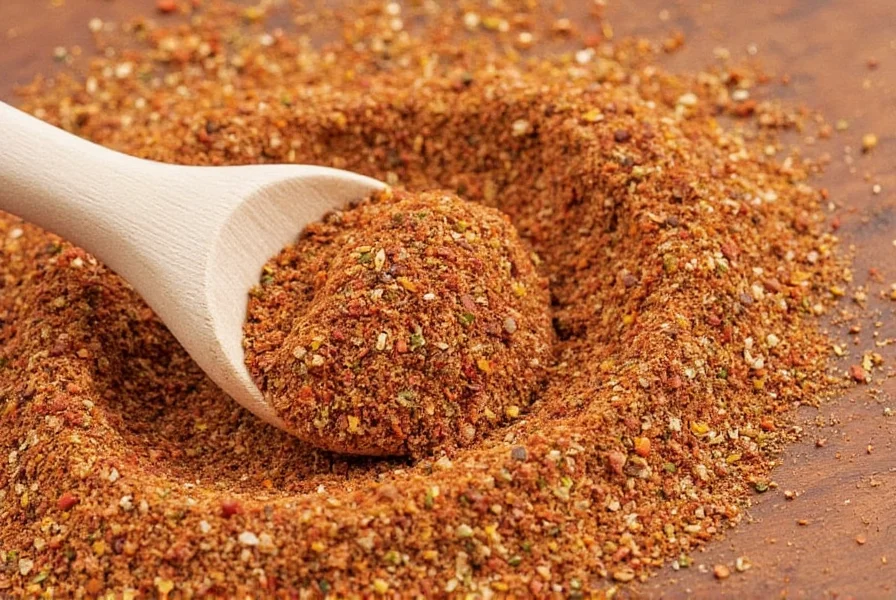
The magic lies in the balance between sweet, spicy, smoky, and earthy notes. The core ingredients typically include:
- Allspice (the star ingredient)
- Scotch bonnet peppers
- Thyme
- Cinnamon
- Nutmeg
- Ginger
- Garlic powder
- Onion powder
- Salt and pepper
Some modern variations also add paprika, brown sugar, or even citrus zest to tailor the flavor to specific palates.
A Taste of History: Origins of Jamaican Jerk
The word "jerk" refers not only to the spice blend but also to the cooking technique. Its roots trace back to the indigenous Taino people, who slow-cooked meat over open flames using native herbs and spices. When African slaves escaped to the Jamaican mountains, they adopted and adapted this method, creating what we now know as jerk cuisine.
Today, jerk seasoning is a symbol of Jamaican identity and pride. Whether served at roadside shacks or upscale restaurants, the aroma alone can transport you to the heart of the Caribbean.
Flavor Profile: What Does It Taste Like?
Dry jerk seasoning offers a layered explosion of flavors. Here's a breakdown:
| Flavor Note | Description |
|---|---|
| Heat | Spicy (thanks to Scotch bonnet) |
| Smokiness | Earthy and woody (from allspice and slow roasting) |
| Herbal | Fragrant (thyme and other dried herbs) |
| Warmth | Mildly sweet and spiced (cinnamon, nutmeg, ginger) |
How to Use Dry Jamaican Jerk Seasoning
This isn’t just for chicken! Here are some creative and delicious ways to use dry jerk seasoning:
- Marinade Magic: Rub onto chicken, pork, or tofu and let sit for at least 30 minutes before grilling or baking.
- Popcorn Perfection: Sprinkle lightly on buttered popcorn for a spicy kick.
- Roasted Veggies: Toss root vegetables in olive oil and jerk seasoning before roasting until caramelized.
- Seafood Sensation: Dust shrimp or salmon fillets before pan-searing or grilling.
- Meatloaf Twist: Mix into ground beef or turkey for a unique flavor boost.
- Homemade Jerk Chips: Add to mashed potatoes before frying or seasoning baked chips.
- Rice & Beans Revamp: Stir into cooked rice or beans for island-inspired side dishes.
Top Brands Compared: Which One Should You Buy?
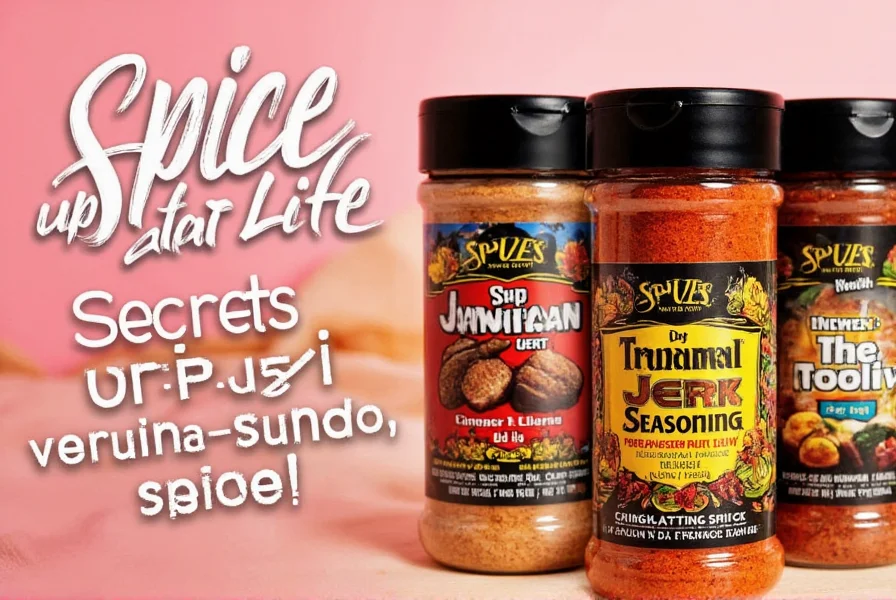
With so many options out there, choosing the right dry Jamaican jerk seasoning can be overwhelming. Here’s a comparison of five popular brands to help you decide:
| Brand | Key Features | Heat Level | Best For |
|---|---|---|---|
| Grace Jerk Seasoning | Classic blend; widely available | Moderate | Beginners and everyday cooking |
| Bull-Dog Authentic Jamaican Jerk | Strong allspice base; traditional taste | Medium-Hot | Grilled meats and authentic recipes |
| Penzeys Jamaican Jerk | Limited salt content; customizable | Mild-Moderate | Health-conscious cooks |
| Walkerswood Organic Jamaican Jerk | Organic ingredients; no artificial additives | Moderate | Vegans and clean eaters |
| Badia Spices Jamaican Jerk | Affordable and widely stocked | Mild | Occasional use and beginners |
Buying Guide: Tips for Choosing the Best Jerk Seasoning
When selecting a dry jerk seasoning, consider the following factors:
1. Heat Level
Are you looking for a mild zing or full-blown fire? Check the Scoville units or descriptions on packaging for heat indicators. Brands often label their products as Mild, Medium, or Hot.
2. Ingredients
- Allspice: This should be the dominant ingredient.
- Scotch Bonnet: The main source of heat.
- Thyme & Herbs: Adds depth and complexity.
- Additives: Look for minimal fillers or anti-caking agents if possible.
3. Intended Use
- For Meat: Choose blends with higher allspice and garlic.
- For Vegetables: Opt for milder mixes or those with added sweetness.
- For Snacks: Look for balanced flavor without overpowering spice.
4. Organic & Natural Options
If you’re health-focused, opt for certified organic blends without artificial preservatives or coloring.
5. Brand Reputation
Stick with trusted names or try small-batch artisanal brands for more complex flavor profiles.
Frequently Asked Questions (FAQs)
Can I make my own dry jerk seasoning?
Absolutely! Just mix allspice, thyme, garlic powder, onion powder, cinnamon, nutmeg, ginger, salt, black pepper, and crushed dried Scotch bonnet. Toast the spices lightly before grinding for enhanced flavor.
Is dry jerk seasoning the same as wet jerk marinade?
Nope! Wet jerk includes oil, vinegar, citrus juice, and sometimes soy sauce. Dry jerk focuses purely on the spice blend, giving you more flexibility in recipe creation.
How long does dry jerk seasoning last?
Stored in a cool, dark place, it can last up to 2 years. However, potency decreases over time, so aim to use within 1 year for best flavor.
Can I use jerk seasoning for non-Jamaican dishes?
You bet! Try it in tacos, burgers, fries, or even pizza crust. Its versatility goes far beyond Caribbean classics.
Is jerk seasoning gluten-free?
Most dry jerk seasonings are naturally gluten-free, but always check labels for hidden additives or cross-contamination warnings.
Conclusion: Bring the Island Vibe Home with Jerk!
Dry Jamaican jerk seasoning is more than just a spice—it's a passport to flavor. Whether you're firing up the grill or jazzing up a weekday dinner, this blend brings warmth, excitement, and authenticity to every bite.
Now that you know the secrets behind this iconic spice, it’s time to grab a jar, get creative, and start jerking everything in sight!
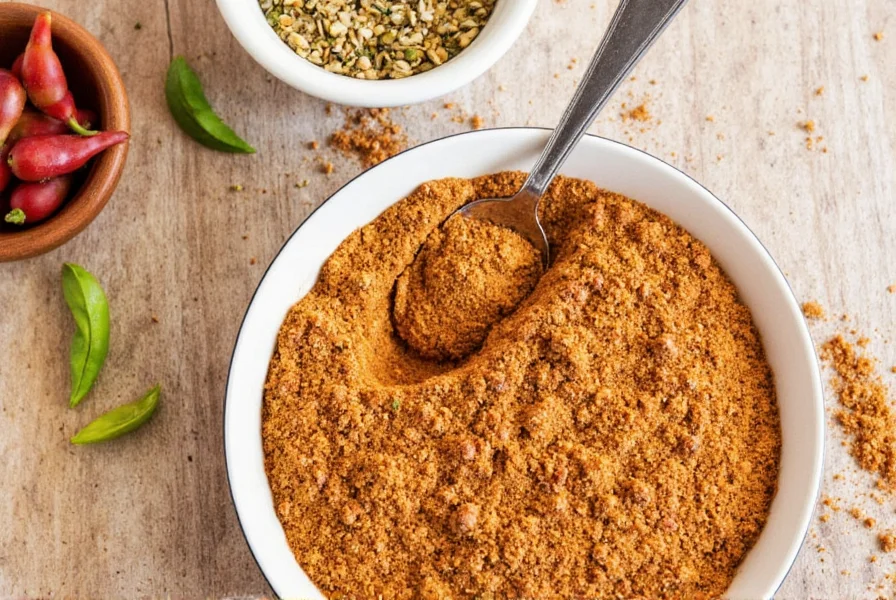
So go ahead… let the islands inspire your kitchen—and don’t forget to keep a glass of water nearby. It’s going to get hot!




 浙公网安备
33010002000092号
浙公网安备
33010002000092号 浙B2-20120091-4